How to Choose the Best Carbon Fiber Fabric for Your Needs?
Choosing the right Carbon Fiber Fabric can significantly impact your project’s success. According to a report by the Carbon Fiber Market Analysis Group, the demand for carbon fiber materials is projected to reach 50,000 metric tons by 2025. This surge is driven by its unique properties, such as high strength-to-weight ratio and versatility in applications.
When selecting Carbon Fiber Fabric, consider factors like weave pattern, resin compatibility, and finish. Different applications may require specific types of fabric to achieve optimal performance. For instance, aerospace industries favor fabrics with tight weaves for enhanced structural integrity. However, navigating through various options can be daunting. Not all suppliers offer verified quality, and some fabrics may not meet industry standards.
Ultimately, the best Carbon Fiber Fabric for your needs will depend on your unique project requirements. Understand the specifications you need, but also be prepared to adjust your choices as new technologies emerge. While many suppliers claim expertise, verifying credentials is crucial. This ensures you invest in materials that truly meet your project’s demands.

Understanding Carbon Fiber Fabric and Its Applications
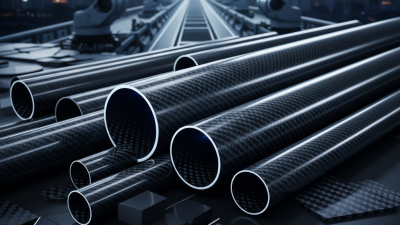
Carbon fiber fabric has gained popularity across various industries. Its unique properties make it an ideal choice for applications requiring lightweight yet robust materials. The applications of carbon fiber fabric include aerospace, automotive, sports equipment, and medical devices. According to a recent market report, the global carbon fiber market is expected to reach $6.5 billion by 2027, driven by the growing demand for high-performance materials.
In aerospace, carbon fiber is used for fuselage and wing structures. It offers exceptional strength-to-weight ratios, enhancing fuel efficiency. The automotive industry also benefits from carbon fiber's impact resistance. Sports equipment, such as bicycles and tennis rackets, utilize carbon fiber to improve performance. Yet, the recycling of carbon fiber remains a challenge, which raises sustainability concerns.
Choosing the right carbon fiber fabric is essential. Factors like weave type, fiber modulus, and resin compatibility significantly impact performance. Weave types range from plain to twill, affecting flexibility and strength. Understanding these aspects can guide buyers toward better decisions. However, navigating these choices can be complex. Not all sellers provide complete information, leading to potential misunderstandings. Seeking detailed specifications can help mitigate this issue and lead to optimal selections.
Key Factors to Consider When Selecting Carbon Fiber Fabric
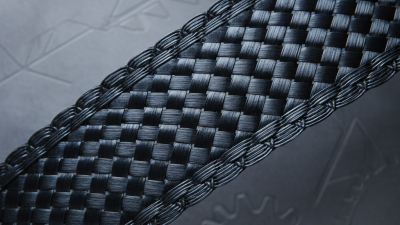
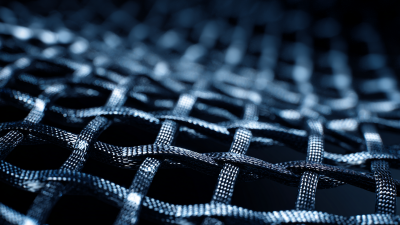
When selecting carbon fiber fabric, several factors come into play. The weave pattern significantly affects the fabric's flexibility and strength. Consider whether you need a tight weave for rigidity or a more open weave for flexibility. Different applications may require different characteristics, so assess your project’s specific needs carefully.
Weight is another crucial factor. Lightweight fabrics are ideal for applications where weight savings are essential, such as in aerospace. Heavier fabrics may offer increased strength and durability for structural components. Evaluating these aspects is vital to achieving the desired performance.
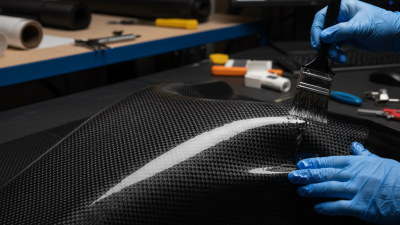
**Tip:** Always test a small sample before committing to large orders. This can help you understand how the fabric behaves in real-world applications. Don’t overlook the importance of resin compatibility; it can impact the overall performance and durability of the final product.
Consider sourcing from reputable suppliers. A trusted source ensures that you get what you pay for and that the quality meets industry standards. Researching suppliers may take time, but it often pays off in the long run. Remember, opting for cheaper materials may lead to unanswered questions about reliability and performance.
Comparing Different Types of Carbon Fiber Fabric
When selecting carbon fiber fabric, understanding the different types available is crucial. Each type offers unique properties and applications. For example, plain weave carbon fiber is popular for its flexibility and strength, making it suitable for various projects. But, it may not provide the best finish compared to twill weave, which offers a more aesthetic appearance. Choosing the right weave can significantly affect both the strength and look of your final product.
Consider the fabric weight as well. Heavier fabrics often provide better durability and strength, while lighter options can enhance performance in applications like racing. However, a lighter fabric may not withstand heavy stress as effectively. It's essential to balance weight with the specific needs of your project.
Tips: Always evaluate your end-use requirements before making a choice. Researching certifications can help ensure reliability. Quality matters, so consider sourcing from reputable suppliers. Seek professional opinions when uncertain about materials, as expertise can guide you toward the best decision. Mistakes can happen, but learning from them can lead you to better choices in the future.
Evaluating Fabric Specifications for Your Specific Needs
When selecting carbon fiber fabric, it’s essential to evaluate specifications that align with your specific project needs. The weight, weave pattern, and resin compatibility of the fabric play crucial roles in determining its performance. For instance, lighter fabrics (around 120g/m²) are ideal for applications needing flexibility, like automotive components. Heavy options, over 400g/m², offer rigidity, suitable for high-stress environments.
Understanding the weave type also affects the fabric's usability. A plain weave provides a sturdy structure, while a twill weave offers greater flexibility and aesthetics. According to the Composites World’s annual survey, 72% of professionals prefer twill for design projects due to its enhanced drape and strength.
It’s important to recognize that not all carbon fiber is created equal. Some fabrics may not conform well to complex shapes. Testing various samples can prevent costly errors. Additionally, sometimes specifications do not fully reveal usability. Always examine the mechanical properties. A fabric may be lightweight but lack tensile strength. A deeper understanding of your project’s demands will guide you towards the best choice.
Tips for Sourcing High-Quality Carbon Fiber Fabric
When sourcing high-quality carbon fiber fabric, understanding the specific requirements of your project is essential. Assess the weight, weave pattern, and thickness that best fit your application. Thinner fabrics are often more flexible, while thicker ones can offer greater strength. Consider environmental factors, too. Some fabrics are more resistant to heat, UV rays, and chemicals.
Seek reputable suppliers that provide detailed specifications and sample swatches. Look for certifications or industry standards that verify the quality of the material. Ask questions. A knowledgeable supplier will help clarify your uncertainties. Reviews and feedback from other users can also guide your choice.
Pay attention to the fabric's imperfections. Small flaws like inconsistent weaves might affect durability. Analyzing defects can lead to better decision-making. It’s vital to weigh the pros and cons of different suppliers. A cheaper option might not offer the quality needed for your project. In the end, the right fabric can significantly impact the performance and longevity of your end product.