Best Carbon Fiber Webbing for Ultimate Strength and Durability?
In today's manufacturing landscape, the demand for high-performance materials has surged. One such material, Carbon Fiber Webbing, stands out for its remarkable properties. It combines strength, lightweight design, and resistance to wear, making it a top choice across various industries. According to market research, the global carbon fiber market is projected to grow to $6 billion by 2025. This growth highlights an increasing reliance on carbon fiber materials.
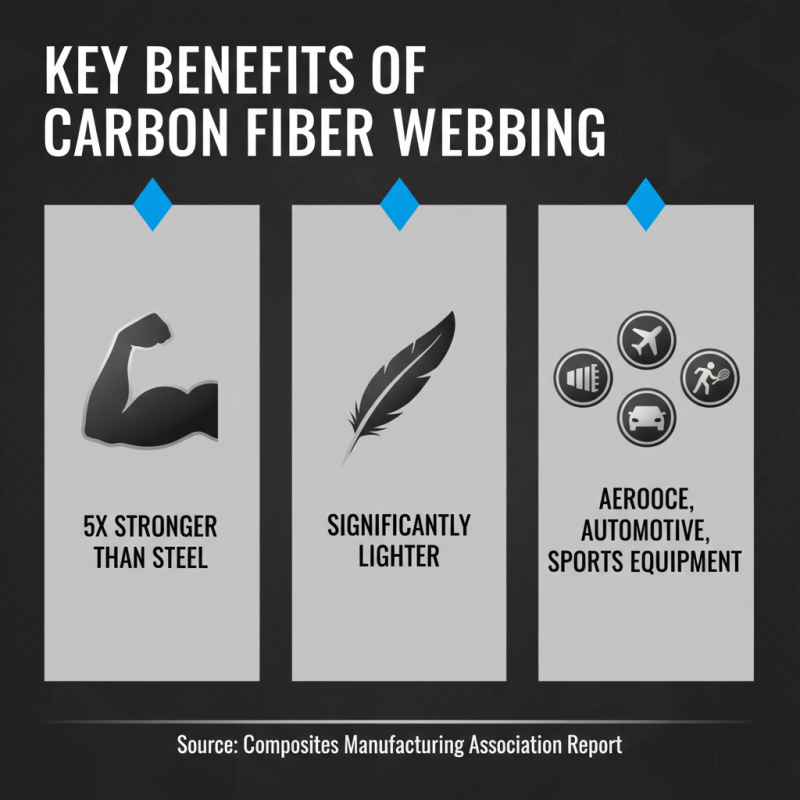
Carbon Fiber Webbing offers advantages that traditional materials can’t match. It exhibits a tensile strength five times greater than steel yet remains significantly lighter. These qualities make it sought after in aerospace, automotive, and sporting goods sectors. However, while the benefits are clear, the selection process can be complex. There are variations in manufacturing techniques and specifications that can confuse consumers.
Robust sourcing of Carbon Fiber Webbing is essential. Quality can vary widely, impacting overall performance. As we explore the best options available, understanding these nuances is vital. Ensuring reliability in material selection can prevent costly mistakes. Therefore, deeper insights into this material are crucial for achieving optimal results.
Best Carbon Fiber Webbing: Understanding Material Strength and Composition
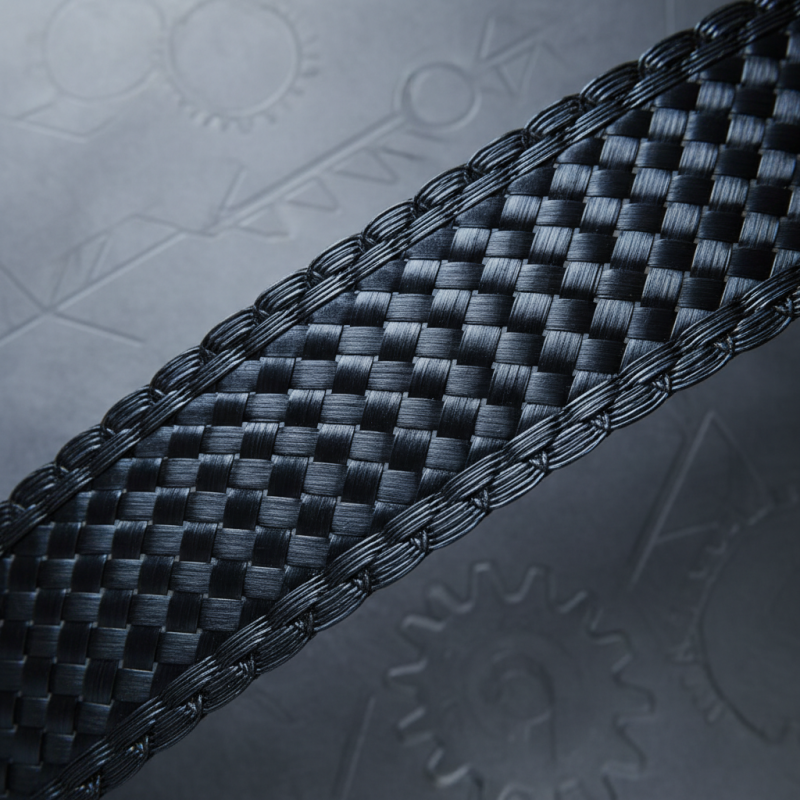
When exploring carbon fiber webbing, it's essential to understand its material strength and composition. Carbon fiber is celebrated for its exceptional strength-to-weight ratio. This means it offers considerable tensile strength while being lightweight. It's made from strands of carbon atoms bonded together. These fibers can resist deformation, making them ideal for demanding applications.
Tips: When choosing carbon fiber webbing, consider the weave pattern. Different patterns affect how the material handles stress. A tighter weave may increase strength but could limit flexibility.
The resin used in carbon fiber affects durability. High-quality resins improve resistance to environmental factors like moisture and UV rays. Check for certifications that indicate material testing and compliance. This can give insight into performance expectations.
Not all carbon fiber is the same. Variations in manufacturing processes can lead to inconsistencies. It’s crucial to evaluate samples and seek feedback from users in specific fields. This ensures the webbing meets your requirements effectively. Checking user reviews and material specifications can reveal valuable insights into the performance of different types of carbon fiber webbing.
Key Benefits of Carbon Fiber Webbing in Various Applications and Industries
Carbon fiber webbing offers significant strength and durability in various applications. A report from the Composites Manufacturing Association indicates that carbon fiber is five times stronger than steel while being significantly lighter. These properties make it suitable for industries like aerospace, automotive, and sports equipment.
In aerospace applications, carbon fiber webbing is essential. It can withstand extreme conditions and provides structural integrity. The lightweight nature improves fuel efficiency, making it an industry favorite. Automotive manufacturers use it to enhance performance without adding weight. A study by the Automotive Composites Association found carbon fiber parts can reduce overall vehicle weight by up to 40%.
**Tip:** Always consider the environment when choosing materials. Carbon fiber, while strong, requires careful disposal and recycling methods.
In sports, carbon fiber webbing is used in equipment like bicycles and skis. It enhances performance and durability, allowing athletes to push their limits. However, repair and replacement costs can be high, raising questions about long-term sustainability.
**Tip:** Balance performance needs with economic factors. Conduct thorough research before investing in carbon fiber products.
Comparative Analysis: Carbon Fiber Webbing vs. Traditional Materials
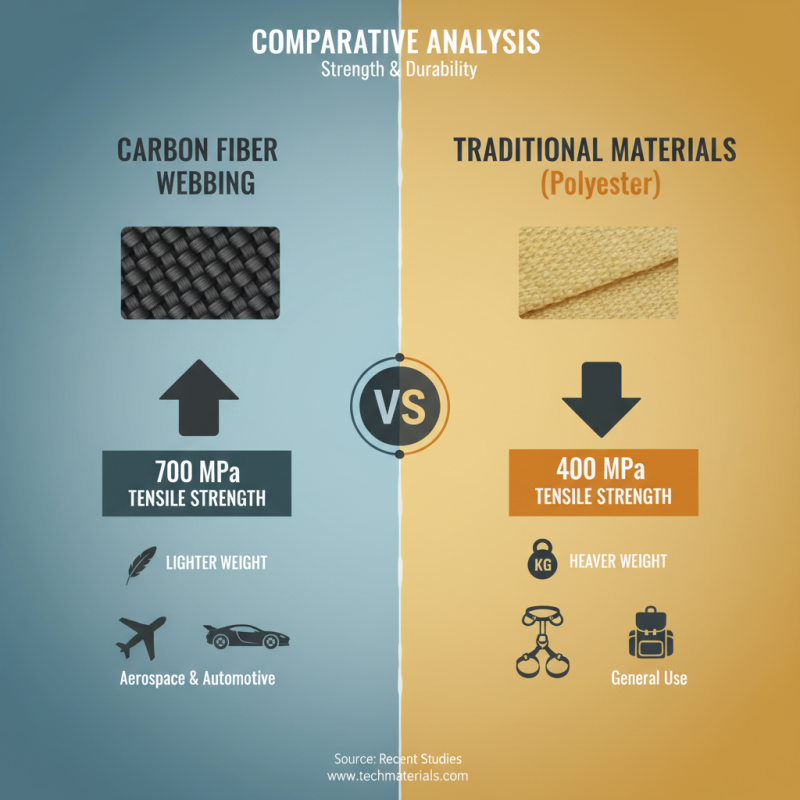
Carbon fiber webbing has gained popularity for its impressive strength and durability. In recent studies, carbon fiber materials demonstrated a tensile strength of approximately 700 MPa, compared to traditional polyester webbing, which typically exhibits a strength of only about 400 MPa. This difference highlights the growing preference for carbon fiber in high-stress applications. Additionally, carbon fiber weaves are lighter, reducing the overall weight of equipment, which is crucial in sectors like aerospace and automotive.
While carbon fiber offers numerous advantages, it is essential to address certain challenges. For instance, the manufacturing process can be complex and costly. The average production cost of carbon fiber can be five times higher than that of traditional fabrics. Furthermore, carbon fiber’s susceptibility to environmental degradation, especially when exposed to UV rays, raises concerns regarding long-term durability. It's crucial for industries to balance these trade-offs when selecting materials for specific applications.
Comparative data show a stark contrast in operational longevity. In controlled tests, carbon fiber webbing outlasts nylon and polyester counterparts, resisting wear and tear more effectively over time. However, not every application may benefit from such advanced materials. Users must carefully evaluate the cost-benefit ratios before making choices. The movement toward modern materials like carbon fiber is undeniable, yet it is equally important to consider the practical limitations and potential for improvement in existing traditional materials.
Manufacturing Processes: How Carbon Fiber Webbing is Created for Durability
Carbon fiber webbing is a marvel of modern engineering, known for its impressive strength and durability. The manufacturing process is crucial in determining its ultimate performance. Typically, carbon fiber materials are woven together, forming a lightweight yet incredibly strong structure. The process includes laying down carbon fibers in a precise manner, often utilizing high-temperature resin systems that cure to create a robust bond.
A recent report by the Composite Industry Association found that carbon fiber can be up to five times stronger than steel while being significantly lighter. This ratio is why it’s favored in applications ranging from aerospace to automotive. However, creating carbon fiber webbing is not without challenges. Variability in fiber orientation and resin properties can lead to inconsistencies. This is an area where manufacturers must exercise continuous improvement.
Tips: Ensure the production process includes thorough quality control measures. Regular testing for strength and durability is essential. Additionally, consider the source of raw materials. High-quality fibers lead to better end products. Understanding the nuances of the manufacturing process can greatly affect performance outcomes. By maintaining a focus on precision, manufacturers can optimize durability and strength in their carbon fiber webbing products.
Best Carbon Fiber Webbing for Ultimate Strength and Durability
| Manufacturing Process |
Material Properties |
Typical Applications |
Strength Rating (MPa) |
Weight (g/m²) |
| Weaving |
High tensile strength, lightweight |
Aerospace, Automotive |
600-900 |
150-300 |
| Braiding |
Flexible, high modulus |
Sports Equipment, Marine |
700-1200 |
200-400 |
| Hot Pressing |
Heat-resistant, rigid |
Construction, Industrial |
900-1500 |
300-500 |
| Pultrusion |
Continuous, high strength |
Automotive, Structural |
800-1400 |
250-600 |
Selecting the Right Carbon Fiber Webbing: Factors to Consider for Optimal Performance
When selecting carbon fiber webbing, several key factors influence performance. Strength-to-weight ratio is critical. Carbon fiber typically boasts a strength-to-weight ratio approaching 5:1, significantly outperforming conventional materials like nylon or polyester. This property makes it ideal for high-stress applications such as aerospace and automotive industries.
Moreover, durability is paramount. Carbon fiber webbing exhibits high resistance to environmental degradation. Reports indicate that it maintains structural integrity even after prolonged exposure to UV light and moisture. This durability can extend the lifespan of equipment and reduce maintenance costs. However, buyers must also consider the manufacturing process and potential flaws. Even minor inconsistencies in production can affect performance.
Cost is another essential factor. Superior performance comes at a higher price. It’s important to balance cost with the specific application needs. High-performance carbon fiber webbing may not always be necessary for low-stress tasks. Therefore, understanding the application context is vital for making an informed choice.