China Top Carbon Fiber Tube Manufacturers and Their Innovations?
China stands at the forefront of carbon fiber tube manufacturing. With a market that has seen consistent growth, the global carbon fiber market is projected to reach $5 billion by 2025, according to industry research. This surge reflects the rising demand for lightweight and durable materials across various sectors, including aerospace, automotive, and sports equipment.
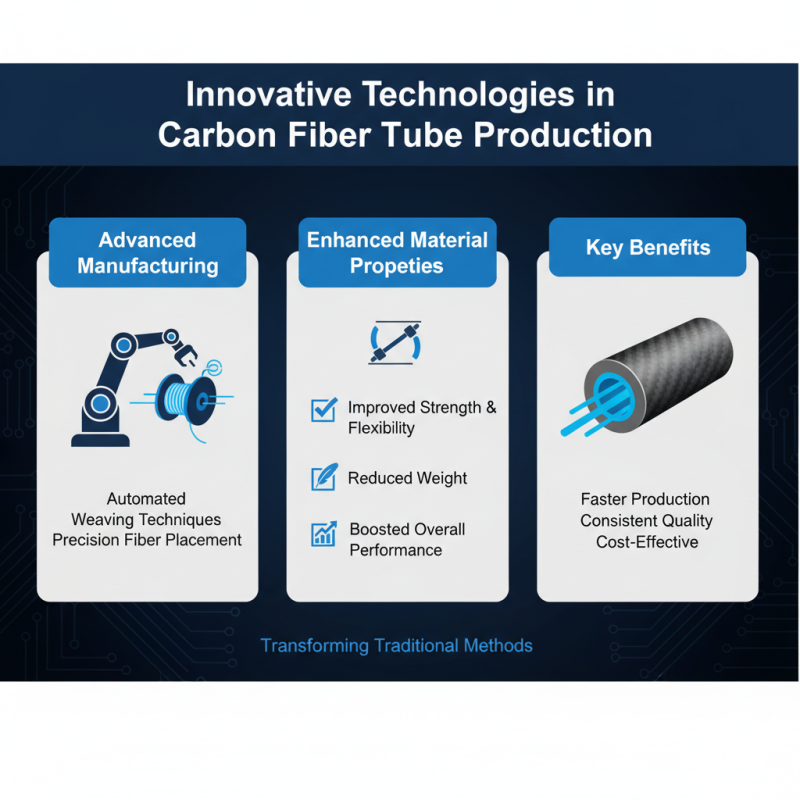
Leading manufacturers in China are investing heavily in innovation. They utilize advanced technologies to enhance product quality and performance. Innovations include the development of high-strength, low-weight carbon fiber tubes. These tubes are essential in reducing energy consumption and improving efficiency in numerous applications.
However, challenges persist. Some manufacturers struggle with production consistency and quality control. These issues can impact the overall reliability of carbon fiber tubes. Addressing these concerns is crucial for maintaining China's global competitiveness in this vital industry.
China's Leading Carbon Fiber Tube Manufacturers Overview
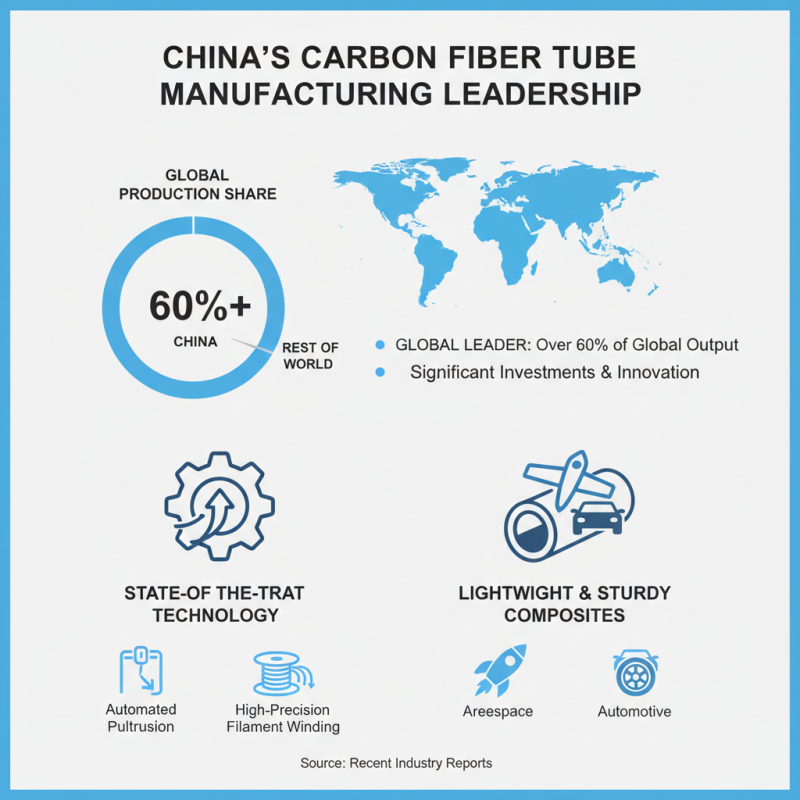
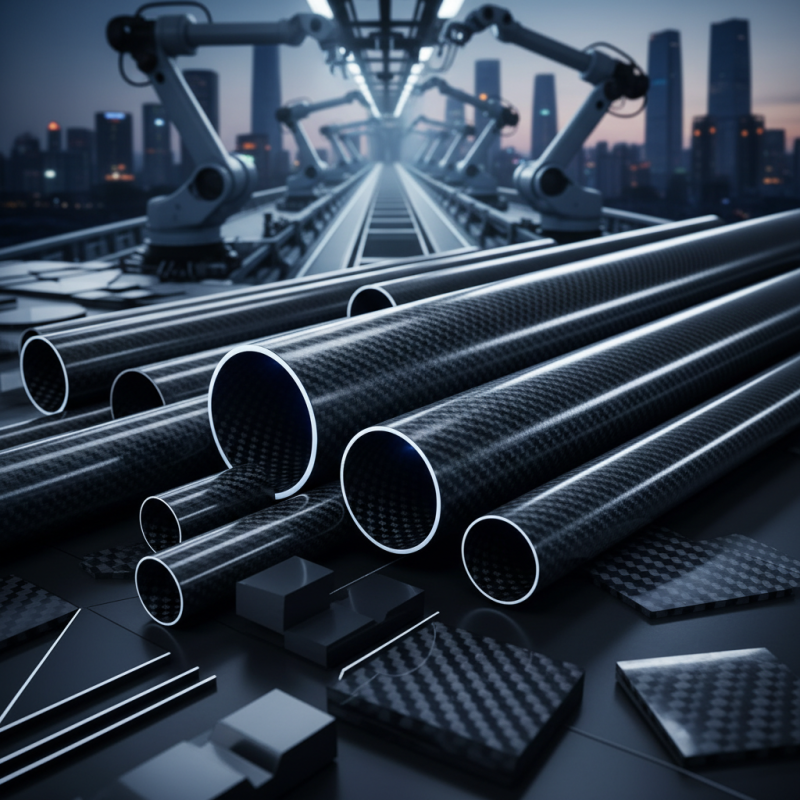
China has established itself as a powerhouse in the carbon fiber tube manufacturing sector. According to recent industry reports, the country accounts for over 60% of the global carbon fiber production output. This booming market has drawn significant investments, enabling companies to innovate with state-of-the-art technology. Advanced manufacturing techniques, such as automated pultrusion and high-precision filament winding, are now standard practices. These methods contribute to creating lightweight and sturdy composite structures designed for various applications, from aerospace to automotive industries.
Despite these advancements, challenges remain. Many manufacturers struggle with the scalability of production and maintaining quality control. Some reports suggest that up to 30% of carbon fiber products may not meet strict quality standards, raising concerns among industry professionals. Companies are increasingly focusing on sustainability by developing eco-friendly manufacturing processes. While progress is evident, the push for greener operations often conflicts with cost-effectiveness, forcing manufacturers to find a delicate balance.
Moreover, the regulatory landscape is evolving. New standards for carbon fiber products are being introduced, compelling manufacturers to adapt swiftly. These regulations aim to improve product lifecycle management and ensure greater safety. As businesses respond to these changes, the need for continuous research and development becomes critical. The dynamic nature of this industry demands both expertise and agility to thrive amid challenges and opportunities.
Sustainable Practices in Chinese Carbon Fiber Manufacturing
China's carbon fiber industry is taking significant steps towards sustainability. Manufacturers are increasingly aware of their environmental impact. They focus on using renewable resources and reducing waste in production. Innovative materials are being developed to replace traditional, less eco-friendly fibers.
Recycling is another major area of focus. Some companies are exploring ways to reuse carbon fiber materials. This reduces the need for new raw materials and minimizes waste. However, challenges remain. Efficient recycling processes are still being perfected. As more firms invest in sustainable practices, greater collaboration across the industry can be observed.
Water usage and energy consumption are closely monitored as well. Many manufacturers aim to lower their carbon footprints through cleaner production techniques. Transitioning to renewable energy sources is also a topic of discussion. Yet, the journey to complete sustainability is long and requires ongoing effort. Each step taken reflects a dedication to environmental stewardship that is crucial for future growth.
Market Trends and Future Outlook for Carbon Fiber Tubes in China
In recent years, carbon fiber tubes have seen significant innovations in China. The market is trending towards lightweight materials that enhance performance across various industries. This shift reflects a growing demand for energy-efficient solutions. Manufacturers are now focusing on reducing costs while increasing durability, making carbon fiber tubes more accessible.
Tips: Consider how these materials perform in your specific application. Not all carbon fiber tubes are created equal. Testing your options can lead to better outcomes.
Technological advancements play a crucial role. New manufacturing methods are being developed, reducing waste and improving strength. Sustainability is becoming a priority. Companies are exploring recycling processes for used carbon fiber products. This raises questions about the lifecycle of such materials.
Tips: Stay informed about industry regulations. Understanding compliance can enhance your project’s success.
As the market evolves, challenges remain. High production costs can hinder widespread adoption. Consumers need to balance benefits against expenses. Innovative thinking can overcome these obstacles. The future looks promising for carbon fiber tubes in China, as manufacturers continue to push boundaries.
Key Applications of Carbon Fiber Tubes Across Industries
Carbon fiber tubes have found a multitude of applications across various industries due to their superior strength and lightweight properties. In aerospace, they enhance fuel efficiency and reduce weight in aircraft design. Structures made from carbon fiber are both robust and flexible. This duality allows for innovative designs that can withstand extreme conditions.
In the sporting goods sector, carbon fiber tubes are commonly used in high-performance bicycles and fishing rods. These products benefit from reduced weight while maintaining exceptional durability. Athletes often seek the latest innovations. Manufacturers aim to create products that improve performance. However, some designs still struggle with cost-effectiveness.
The automotive industry increasingly incorporates carbon fiber tubes in vehicle construction. They provide increased safety and reduced energy consumption. However, the challenge remains in scaling production. Companies continuously experiment with new manufacturing methods. This leads to exciting developments but may not always deliver immediate solutions.