What is Carbon Fiber Mesh Fabric and Its Applications?
Carbon Fiber Mesh Fabric is gaining significant attention in various industries. Its lightweight yet robust properties make it an ideal choice for enhancing structural integrity. Dr. Emily Carter, a leading expert in composite materials, notes, "Carbon Fiber Mesh Fabric revolutionizes how we think about strength and flexibility." These fabrics are crucial in aerospace, automotive, and sports equipment.
The unique woven structure of carbon fiber allows for high tensile strength and flexibility. This makes it perfect for applications requiring both durability and lightweight characteristics. In sports gear, for example, it enhances performance without adding unnecessary weight. However, the production costs remain high, posing challenges for widespread adoption.
As industries explore new applications, the potential of Carbon Fiber Mesh Fabric is vast. Still, some hurdles such as manufacturing scalability and material accessibility need addressing. Our understanding of this fabric is evolving, revealing both opportunities and limitations. Continuous research and development will determine its future applications and feasibility across various sectors.

What is Carbon Fiber Mesh Fabric?
Carbon fiber mesh fabric is a remarkable material known for its strength and lightweight properties. This fabric consists of woven carbon fibers, which provide enhanced durability and flexibility. The intricate weaving creates a mesh structure that allows for superior aeration and heat dissipation. It finds extensive use across various industries, particularly in aerospace and automotive applications.
Constructed using high-quality carbon fibers, the mesh fabric showcases excellent tensile strength, making it ideal for reinforcement purposes. Engineers often turn to this material when designing parts that require both rigidity and lightweight characteristics. The unique mesh design facilitates easy integration with resins and other composite materials. Users should be aware, however, that improper handling may lead to misalignment during the manufacturing process, compromising the final product's integrity.
Beyond traditional uses, carbon fiber mesh fabric is increasingly recognized in sports and leisure products. For example, it can be found in high-performance sports gear. Yet, newcomers to this material should consider its relatively high cost and the need for specialized manufacturing techniques. Understanding these factors is vital for proper application and successful outcomes.
Applications of Carbon Fiber Mesh Fabric
Carbon fiber mesh fabric is widely used in various industries due to its high strength-to-weight ratio and versatility. The bar chart above illustrates the percentage distribution of its applications across different sectors, highlighting the prominent areas where this innovative material is utilized.
Composition and Properties of Carbon Fiber Mesh Fabric
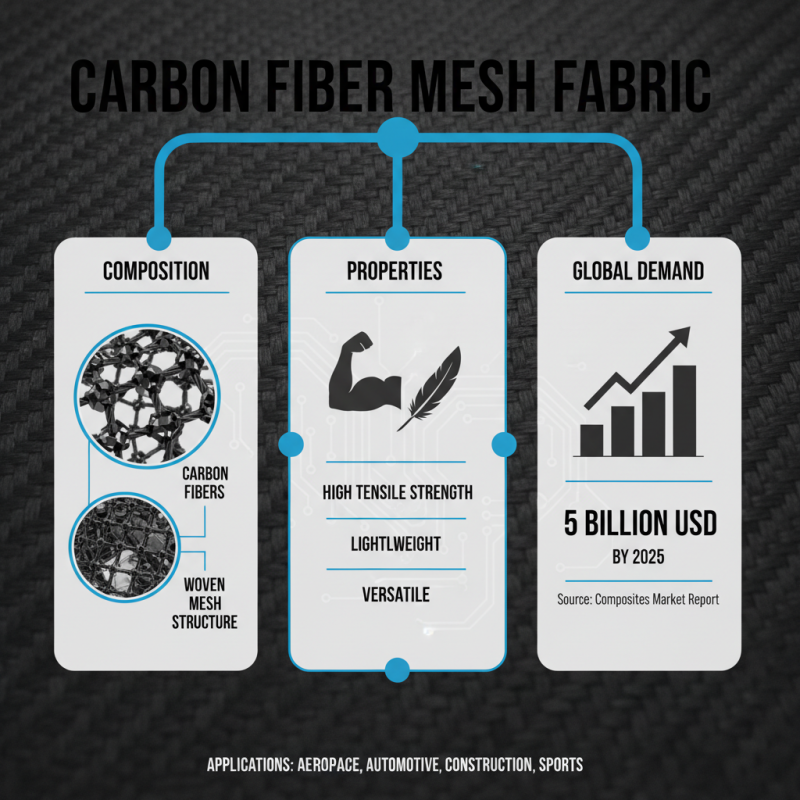
Carbon fiber mesh fabric is a versatile material renowned for its unique composition and properties. It consists of carbon fibers woven into a mesh structure, combining high tensile strength and lightweight characteristics. According to the Composites Market Report, the global demand for carbon fiber is expected to reach 5 billion USD by 2025. This surge highlights the fabric's growing significance in various sectors.
The properties of carbon fiber mesh are impressive. It is known for its high resistance to heat and chemical exposure, making it suitable for harsh environments. Additionally, it has excellent fatigue resistance. A study by the International Journal of Advanced Manufacturing Technology indicates that carbon fiber composites can withstand temperatures exceeding 300°C without losing structural integrity. However, the production process often leads to inconsistencies. These inconsistencies can affect overall performance.
Tips: When working with carbon fiber mesh, ensure proper handling. The sharp edges can be hazardous. Also, consider the environment; moisture can weaken the material over time. Understanding these factors is key to optimizing its use. Moreover, proper testing is crucial to identifying any potential failures in real-world applications.
Benefits of Using Carbon Fiber Mesh Fabric
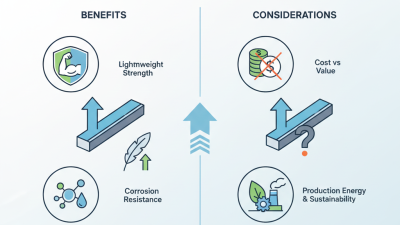
Carbon fiber mesh fabric has gained attention due to its unique properties. One significant benefit is its lightweight nature. This fabric is much lighter than traditional materials. This feature allows for easier handling and reduces overall product weight. It is particularly useful in industries that prioritize weight reduction, like aerospace and automotive.
Another advantage is its exceptional strength. Carbon fiber mesh fabric offers high tensile strength, making it resistant to stretching and tearing. When incorporated into composite materials, it enhances durability. This durability is especially valuable in construction and sports equipment, where performance matters most.
Moreover, carbon fiber mesh fabric is chemically resistant. It withstands exposure to various elements without degrading. This quality ensures longevity in harsh environments. However, it is essential to consider the cost. While effective, carbon fiber materials can be expensive. Exploring alternatives may be necessary based on specific project budgets.
Common Applications of Carbon Fiber Mesh Fabric
Carbon fiber mesh fabric is known for its
lightweight and
high-strength properties. These unique characteristics make it suitable for
various applications across multiple industries. One of the most common uses is in the
aerospace sector. Aircraft parts often require materials that can withstand
extreme conditions while keeping overall weight to a minimum. Carbon fiber mesh meets these demands effectively,
contributing to better fuel efficiency.
In the automotive industry, carbon fiber mesh fabric is utilized in manufacturing components such as body panels and
chassis reinforcements. These parts benefit from the fabric's strength without adding unnecessary weight.
Racing teams frequently use this material to enhance performance. Another application is in
the construction industry. For example, carbon fiber mesh is used to reinforce concrete structures. This combination improves
durability and extends the lifespan of buildings.
However, the high cost of raw materials can limit its widespread usage. Not all projects can justify the expense.
Additionally, the manufacturing process may not fully harness its potential in every application. Exploring these challenges is crucial for
future development. As industries continue to innovate, carbon fiber mesh fabric's adaptability indicates
promising growth across various fields.
Future Trends in Carbon Fiber Mesh Fabric Technology
Carbon fiber mesh fabric is gaining attention in various industries. Its lightweight nature and high strength make it ideal for applications in aerospace and automotive sectors. Engineers appreciate its ability to enhance structural integrity while reducing weight. This fabric has unique properties that allow it to react well under stress, contributing to safety improvements.
Future trends in carbon fiber mesh technology are exciting. Researchers are exploring the potential of integrating smart technologies. Imagine fabrics that can monitor structural health in real-time. This innovation could revolutionize safety standards in construction and transportation. However, challenges remain. Manufacturing processes need refinement to ensure scalability.
Sustainability is another concern, as current methods can be resource-intensive. As the demand for eco-friendly materials rises, researchers are investigating bio-based alternatives. These innovations reflect a shift toward more sustainable practices. Yet, the transition from traditional carbon fiber to greener options will require significant industry insight. Balancing performance and environmental impact is crucial for future success. Conversations around these developments are essential to guiding this evolving field.