Top 5 Tips for Choosing Carbon Fiber Laminate Sheets?
When selecting a Carbon Fiber Laminate Sheet, the right choice can significantly impact performance and aesthetics. Renowned expert Dr. Emily Carter, a materials scientist, emphasizes, “Choosing the right laminate requires careful consideration of your specific needs.” This insight underlines the importance of understanding the various aspects of these sheets.
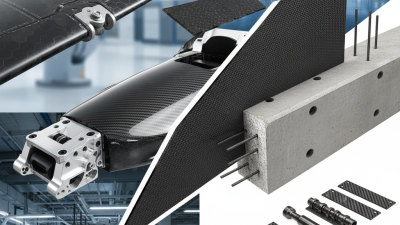
Carbon Fiber Laminate Sheets are renowned for their strength-to-weight ratio. They are widely used in industries like aerospace, automotive, and sports equipment. With numerous options available, navigating the selection process can be overwhelming. Buyers often struggle with factors like thickness, weave pattern, and resin type. Each characteristic influences not just durability but also the cost and functionality of the final product.
Potential pitfalls abound in the selection process. Many overlook the significance of the supplier's reputation. It is wise to research their history and client feedback. A seemingly minor detail can lead to costly mistakes. Ultimately, an informed choice ensures that your Carbon Fiber Laminate Sheet meets your project’s unique demands. Understanding these details provides a clearer path to making an effective selection.

Understanding Carbon Fiber Laminate Sheets and Their Applications
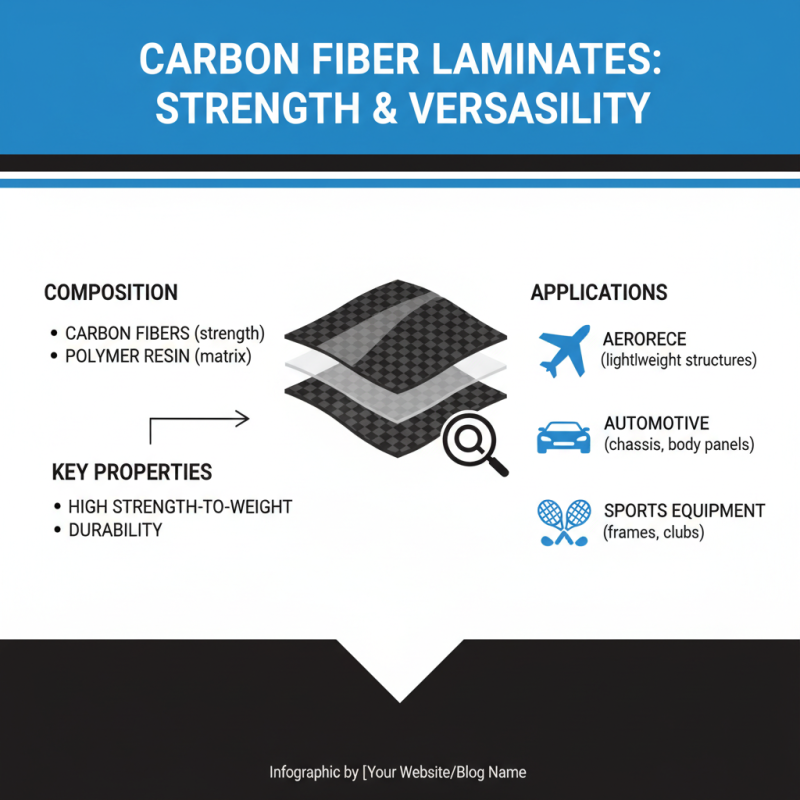
Carbon fiber laminate sheets are gaining popularity across various industries. They are known for their exceptional strength-to-weight ratio. This property makes them ideal for aerospace, automotive, and sports equipment. Understanding their composition is crucial for selecting the right type for your needs.
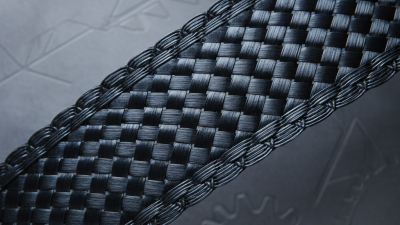
These sheets consist of woven carbon fibers embedded in a resin matrix. This combination results in enhanced stiffness and durability. However, it's essential to recognize their limitations. For instance, they can be more brittle than metal alternatives. The cost is another factor; investing in high-quality sheets can strain budgets. Still, the long-term benefits often justify the investment, especially in high-performance applications.
When considering carbon fiber, think about your specific application. Not all laminates offer the same characteristics. Some may perform better under stress, while others excel in weight reduction. Tailoring your choice to fit these needs can lead to improved outcomes. It’s a balance between performance and practicality, requiring careful thought and planning.
Evaluating the Strength and Weight Characteristics of Carbon Fiber
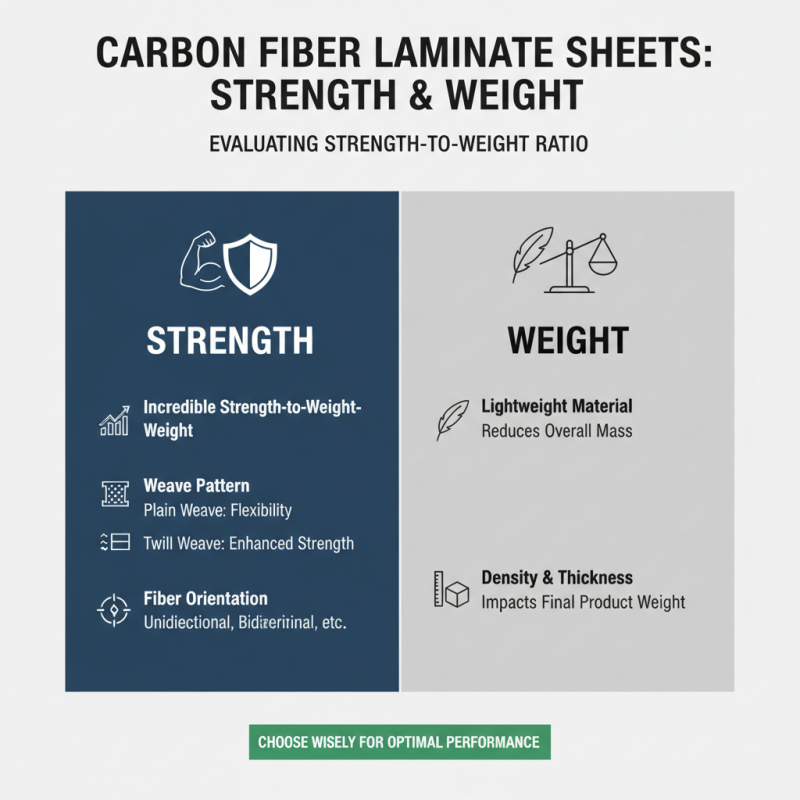
Choosing the right carbon fiber laminate sheets requires understanding their strength and weight characteristics. Carbon fiber is known for its incredible strength-to-weight ratio, making it a popular choice in various industries. When evaluating these sheets, consider the weave pattern and fiber orientation. A plain weave may offer flexibility, while a twill weave can provide enhanced strength.
Weight plays a critical role in applications where performance is key. Lightweight sheets reduce load, boosting speed and efficiency. Always compare the weight of different options. However, the lightest option isn’t always the best choice. Sometimes, a heavier sheet may provide better durability or impact resistance.
It's essential to assess your specific needs. Consider your application carefully. Not every laminate sheet is created equally. Review properties like tensile strength and compressive strength to find the ideal fit. Remember, there's a balance between strength and weight. Selecting a sheet that meets both criteria can be challenging but vital for long-term success.
Examining Cost Factors and Budget Considerations for Laminate Options
When selecting carbon fiber laminate sheets, cost considerations are paramount. Prices can vary significantly based on thickness, finish, and supplier. A low-cost option might not offer the same durability or strength. This aspect often leads buyers to compromise on quality for a lower price. However, such choices can incur greater costs in repairs or replacements over time.
Understanding your budget is essential. Determine how much you can allocate before diving into options. Sometimes, slightly higher investments yield better performance. It’s vital to weigh the long-term benefits against initial expenses. Cheaper sheets may seem appealing, but their longevity could fall short. Additionally, consider hidden costs like shipping or cutting fees. Be prepared for these extras when planning your budget.
Researching various suppliers can provide clarity on market prices. Look for reviews or seek advice from experienced users. This approach helps in making a well-informed decision. Remember, quality matters, and a hasty choice may lead to regrets. Each decision should align with your specific project needs and durability expectations. Balancing cost with performance can lead to more satisfying results in the end.
Cost Comparison of Carbon Fiber Laminate Sheets
This bar chart illustrates the average cost per square foot of various carbon fiber laminate sheet options, helping to inform budgeting decisions.
Assessing the Aesthetic Options and Finishes in Carbon Fiber Sheets
When selecting carbon fiber laminate sheets, the aesthetic options and finishes play a crucial role. Carbon fiber is known for its sleek and modern appearance. It is often favored in both automotive and aerospace industries. According to a recent report by Market Research Future, the demand for carbon fiber in consumer goods is growing due to its lightweight properties and appealing appearance.
Different finishes can greatly influence the look of carbon fiber sheets. Glossy finishes provide a high shine, enhancing the material's depth and richness. Matte finishes, on the other hand, offer a subdued elegance, suitable for professional environments. The choice of aesthetic will depend on the intended application. Choosing a finish that complements the surrounding materials can lead to a cohesive design.
As you consider options, here are some tips: evaluate the texture and weave patterns available. Some sheets exhibit a plain weave, while others feature twill patterns. Each weave affects not just appearance but strength. Also, consider the color options; carbon fiber isn’t just black. Some manufacturers offer vibrant colors that can enhance creativity in design. Lastly, do not overlook the importance of matching durability and finish - some coatings may wear off with time, impacting aesthetics.
Identifying Reliable Suppliers and Manufacturers for Quality Assurance
When selecting carbon fiber laminate sheets, finding reliable suppliers and manufacturers is crucial. Start by researching companies with a solid track record in the industry. Look for those with years of experience and positive customer feedback. This can give assurance that they provide quality products.
Check for industry certifications. A reputable supplier will often showcase their credentials. This indicates they adhere to strict standards and practices. In addition, pay attention to the material specifications they offer. Transparency in product details is a good sign of reliability. It can signal their commitment to quality.
Don't hesitate to reach out for samples. Requesting a small quantity allows you to assess quality firsthand. Make sure to evaluate the responsiveness of the supplier as well. Fast and clear communication can indicate a professional approach to customer satisfaction. Reflect on your experience with different suppliers. It adds depth to your understanding of what to expect in terms of quality and service.
Top 5 Tips for Choosing Carbon Fiber Laminate Sheets
| Tip No. |
Tip Description |
Considerations |
Quality Indicators |
| 1 |
Check Material Specifications |
Ensure the laminate has the right strength and weight ratios for your needs. |
Look for product datasheets with detailed specifications. |
| 2 |
Evaluate Supplier Reputation |
Research the supplier's history and customer reviews. |
Check industry certifications and customer testimonials. |
| 3 |
Request Samples |
Obtain samples to assess quality and fit for your project. |
Evaluate the finish, weight, and flexural strength of the sample. |
| 4 |
Analyze Pricing and Value |
Compare prices across different suppliers while considering quality. |
Look for bulk discounts or loyalty programs. |
| 5 |
Verify Manufacturing Processes |
Understand the production methods used for durability and performance. |
Look for information about quality control practices and testing. |