Why Choose Carbon Fiber Laminate Sheet for Your Projects?
In the world of modern manufacturing and design, the choice of materials can significantly impact project outcomes. One option that stands out is the Carbon Fiber Laminate Sheet. Renowned for its exceptional strength and lightweight properties, this material is gaining traction across various industries. From aerospace to automotive, its applications are diverse.
Choosing Carbon Fiber Laminate Sheet is not just about performance. It also requires an understanding of its unique characteristics. This material offers superior resistance to wear, making it suitable for demanding environments. Additionally, its aesthetic appeal can elevate the visual impact of any project. However, it’s crucial to weigh the advantages against costs.
Many professionals praise the durability of Carbon Fiber Laminate Sheet. Yet, some may question its high price point. It is an investment that can yield impressive returns if used wisely. Exploring the potential of this material might challenge traditional notions of value. The best projects incorporate innovative materials, and Carbon Fiber Laminate Sheet fits the bill perfectly.

Overview of Carbon Fiber Laminate Sheets and Their Properties
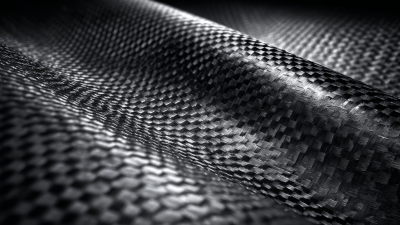
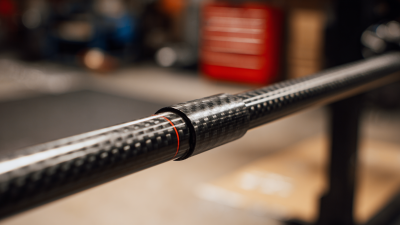
Carbon fiber laminate sheets are gaining popularity in various projects due to their unique properties. These sheets are made by layering carbon fiber woven fabric with resin. This process creates a lightweight yet incredibly strong material. Their high tensile strength makes them ideal for applications requiring durability and performance.
The unique characteristics of carbon fiber laminate sheets include resistance to corrosion and chemical damage. They maintain their shape under stress and have low thermal expansion, which prevents warping. Furthermore, their smooth finish often requires minimal additional processing. Users can benefit from these aspects in industries such as aerospace, automotive, and sporting goods.
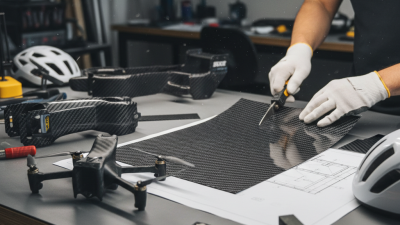
However, working with carbon fiber laminate sheets can present challenges. They require specialized tools for cutting and shaping. Additionally, proper safety precautions are essential to avoid inhalation of fine dust during sanding. Understanding these potential issues is crucial for successful project execution. Overall, carbon fiber laminate sheets offer significant advantages, but careful handling and knowledge are required to maximize their potential.
Advantages of Using Carbon Fiber Laminate Sheets in Various Projects
When considering materials for projects, carbon fiber laminate sheets stand out due to their unique properties. They are lightweight yet incredibly strong, which makes them ideal for applications where weight savings are essential. In aerospace, automotive, and sporting goods, these sheets help enhance performance while reducing overall weight. Their high strength-to-weight ratio is unmatched, allowing for designs that were previously deemed impossible.
Tips: When designing with carbon fiber, remember to consider the layering of sheets. Different orientations can greatly affect strength and flexibility. Experiment with various configurations to discover the optimal design for your project.
Moreover, carbon fiber laminate sheets offer excellent corrosion resistance and durability. This makes them suitable for marine applications and outdoor environments. Their resistance to environmental factors prolongs the lifespan of products made from these materials. However, working with carbon fiber can be challenging. Proper techniques and safety precautions must be observed.
Tips: Always wear protective gear when cutting or drilling carbon fiber sheets. The dust can be harmful to your health, so take these precautions seriously.
Carbon fiber laminate sheets also provide aesthetic benefits. They have a sleek and modern appearance. This visual appeal attracts designers and engineers alike, leading to innovative applications. It’s essential to balance beauty and functionality in your projects, ensuring that performance doesn’t suffer because of aesthetics.
Advantages of Using Carbon Fiber Laminate Sheets
This chart displays the key advantages of using carbon fiber laminate sheets in projects. The data highlights the benefits such as their lightweight nature, high strength, corrosion resistance, aesthetic appeal, and flexibility. Each advantage is represented by its corresponding rating on a scale of 0 to 100.
Common Applications of Carbon Fiber Laminate Sheets in Industry
Carbon fiber laminate sheets are increasingly popular in various industries for their unique properties. These sheets are known for their high strength-to-weight ratio, making them ideal for applications in aerospace, automotive, and sports equipment. According to a report by MarketsandMarkets, the carbon fiber market is projected to reach $5.4 billion by 2025. This growth highlights the increasing adoption of carbon fiber materials across many sectors.
In aerospace, carbon fiber laminate sheets help reduce aircraft weight, leading to improved fuel efficiency and performance. The use of these sheets helps manufacturers meet emission regulations while maintaining safety standards. Similarly, the automotive industry incorporates carbon fiber components to enhance vehicle performance and reduce energy consumption. These sheets can also be found in sporting goods, such as bicycle frames and tennis rackets, where performance optimization is crucial.
Tips: When selecting carbon fiber laminate sheets, consider the specific requirements of your project. Evaluate factors like thickness, weight, cost, and mechanical properties. It's essential to match the material's characteristics to your intended use. Experimenting with different combinations can lead to unexpected insights, helping you identify the best fit for your application. Remember, trial and error can lead to innovative solutions.
Comparing Carbon Fiber Laminate Sheets with Other Materials
When comparing carbon fiber laminate sheets with other materials, several key factors come into play. Carbon fiber is renowned for its exceptional strength-to-weight ratio. According to a report by the National Institute of Standards and Technology, carbon fiber composites can be up to five times stronger than steel while weighing only a fraction. This makes them ideal for applications ranging from aerospace to automotive, where weight savings are crucial.
In contrast, traditional materials like aluminum and steel may offer structural integrity but at a higher weight. For instance, aluminum has a lower tensile strength, making it less suitable for high-stress applications. The flexibility of carbon fiber laminate also allows for complex shapes that are often difficult to achieve with metals. This adaptability is highlighted in a study by the Composites Manufacturing Association, which states that the use of carbon fiber in high-performance applications is growing at a rate of 20% annually.
Tips: Consider the specific requirements of your project. If weight reduction is critical, carbon fiber is the way to go. Be mindful, however, of the increased cost compared to other materials. Assess the long-term performance and benefits to determine if the investment in carbon fiber is justified.
Considerations for Selecting the Right Carbon Fiber Laminate Sheet
When selecting the right carbon fiber laminate sheet for your project, several factors come into play. The thickness of the laminate is crucial. Thicker sheets generally provide more strength and stiffness, making them suitable for structural applications. According to industry reports, carbon fiber laminates can offer up to ten times the strength of steel while remaining lightweight.
Pay attention to the fiber orientation as well. Different angles can affect the sheet's performance in specific applications. For instance, unidirectional sheets excel in tensile strength, while woven fabrics provide isotropic properties.
This insight can direct you towards making a more informed choice based on the demands of your project.
Tips: Consider your project's specific load requirements. A mismatch in strength can lead to failure. Always source your materials from reputable suppliers to ensure quality and consistency. Testing samples before full-scale implementation can save time and money. Remember, even slight variations in manufacturing can impact overall performance.