Top Benefits of Carbon Fiber Rope for Global Buyers?
The growing interest in Carbon Fiber Rope has sparked discussions among industry experts. John Smith, a leading specialist in composite materials, emphasizes, "Carbon Fiber Rope offers unmatched strength and versatility." This innovative material has unique properties that cater to various industries worldwide. It can withstand extreme conditions while remaining lightweight, making it ideal for diverse applications.
Moreover, Carbon Fiber Rope is remarkably durable, which leads to reduced maintenance costs in the long run. Its resistance to corrosion enhances its appeal in maritime and industrial uses. However, potential buyers should carefully consider their specific needs before investing. Not every application may warrant the premium price tag associated with Carbon Fiber Rope.
As manufacturers explore new techniques, the possibilities for Carbon Fiber Rope continue to expand. Yet, buyers must remain cautious about quality and sourcing. The benefits are plentiful, but with these advantages come challenges. Understanding the nuances of this material is essential for making informed purchasing decisions.
Overview of Carbon Fiber Rope and Its Composition
Carbon fiber rope has gained attention for its impressive properties and applications across various industries. Comprised of thousands of carbon filaments, this rope exhibits high tensile strength and lightweight characteristics. Studies suggest that carbon fiber can be five times stronger than steel while being much lighter, which is a significant advantage in sectors such as aerospace and maritime.
The composition of carbon fiber rope usually includes polymer resins that enhance its durability and resistance to environmental conditions. According to a report by the Advanced Composites Association, carbon fiber materials have undergone rapid development, with usage increasing by nearly 20% annually in certain markets. These fibers are woven together, creating a robust structure that withstands extreme stress and tension.
Tip: Always consider the environment where the rope will be used. High UV exposure can degrade certain polymers.
Additionally, the versatility of carbon fiber rope allows for customization. Different weaving techniques can create ropes tailored for specific functions, such as load-bearing applications. Small imperfections during manufacturing can occur, and recognizing these helps in selecting the right product.
Tip: Conduct a thorough inspection before use. Ensuring quality can prevent potential failures in critical situations.
Key Advantages of Carbon Fiber Rope for Buyers Worldwide
Carbon fiber rope has gained significant traction in various industries due to its impressive properties. Notably, a report from the Global Carbon Fiber Market forecasted a growth rate of over 10% annually, emphasizing its increasing demand. Buyers across sectors, such as marine, aerospace, and construction, appreciate its lightweight nature and high tensile strength. This makes carbon fiber rope an essential choice for applications that require durable and reliable materials.
The unique composition of carbon fiber offers a corrosion-resistant advantage, providing longevity in harsh environments. This attribute is particularly valued in marine applications, where water exposure can quickly degrade traditional materials. Furthermore, carbon fiber rope's low thermal expansion minimizes risks associated with temperature fluctuations. While these advantages are strong, some stakeholders may find the initial cost higher than alternatives. However, the long-term performance and durability often justify the investment.
Industry experts also highlight the environmental aspect of carbon fiber. As sustainability becomes a priority, the recyclability of carbon fiber materials adds to their appeal for conscious consumers. Buyers globally are looking for solutions that not only perform well but also contribute positively to the environment. Despite some concerns around the manufacturing process, the benefits of carbon fiber rope can't be overlooked.
Applications of Carbon Fiber Rope in Various Industries
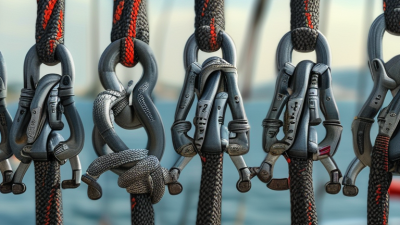
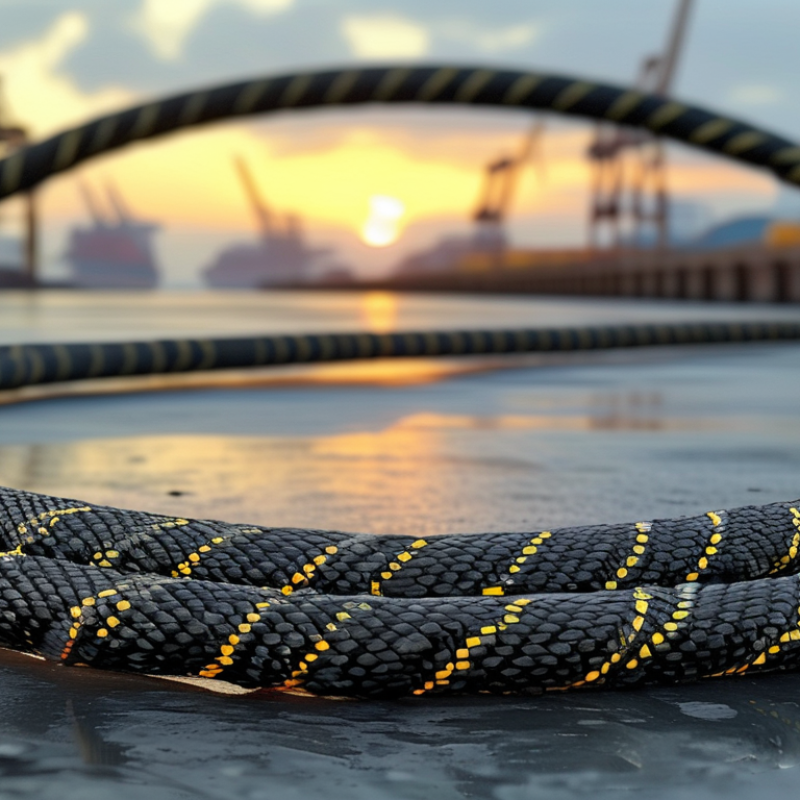
Carbon fiber rope has gained traction across various industries due to its unique properties. Its lightweight nature makes it ideal for marine applications. Sailboats utilize carbon fiber rope for rigging and halyards, enhancing performance without adding weight. The strength-to-weight ratio of this material ensures safety and efficiency in harsh marine conditions.
In the automotive sector, carbon fiber rope is used for performance parts and safety equipment. It can reinforce vehicle frames and be integrated into high-performance racing components. The exceptional tensile strength of carbon fiber provides better durability than traditional materials. However, while it offers these advantages, the cost remains a concern for many.
The aerospace industry also benefits from carbon fiber rope. It plays a crucial role in manufacturing lightweight structures. Airplanes equipped with carbon fiber materials consume less fuel while maintaining high performance. Nevertheless, integrating these materials can be challenging, requiring skilled expertise and careful consideration of design implications.
Cost-Effectiveness and Durability of Carbon Fiber Rope
Carbon fiber rope stands out due to its exceptional cost-effectiveness. Many industries depend on materials that balance quality and price. Carbon fiber offers high strength without a hefty price tag. This durability translates into long-term savings for businesses, making it an ideal choice.
Durability is another essential benefit of carbon fiber rope. Its resistance to wear and tear ensures it lasts longer than conventional materials. This longevity minimizes the need for frequent replacements. In high-stress environments, carbon fiber performs consistently well. However, potential buyers should reflect on the initial investment versus the expected lifespan.
While the benefits are clear, there might be a learning curve. Understanding how carbon fiber behaves in various applications is crucial. Each industry has unique demands, and carbon fiber might not be the best fit for all. Therefore, careful consideration is vital before making a purchase.
Top Benefits of Carbon Fiber Rope for Global Buyers
| Benefit |
Description |
Cost-Effectiveness |
Durability |
| Lightweight |
Carbon fiber ropes are significantly lighter than traditional ropes, making handling easier. |
Lower transportation costs due to reduced weight. |
High strength-to-weight ratio increases performance. |
| High Tensile Strength |
Excellent resistance to breaking under tension, ideal for heavy-duty applications. |
Reduces the need for thicker rope, lowering overall material costs. |
Long-lasting under stress, reducing replacement frequency. |
| Corrosion Resistance |
Resistant to environmental factors like moisture and chemicals. |
Less need for protective coatings or replacements over time. |
Maintains integrity in harsh conditions, extending service life. |
| Flexibility |
Can be easily manipulated into various shapes without losing performance. |
Reduces waste and need for multiple rope types. |
Durable over repeated bending and stress cycles. |
| Thermal Stability |
Retains strength at extreme temperatures, making it versatile. |
Handles diverse conditions without additional costs for specialty ropes. |
Prolonged use in various climates without degradation. |
Environmental Impact and Sustainability of Carbon Fiber Rope
Carbon fiber rope is gaining attention for its environmental impact and sustainability. This material is known for its strength and lightweight properties. According to industry reports, carbon fiber can reduce the carbon footprint of products by up to 50% compared to traditional materials. This reduction makes it an appealing choice for eco-conscious consumers.
The production process of carbon fiber is complex. It often involves energy-intensive steps that can lead to high emissions. However, advancements in recycling technologies are paving the way for sustainable carbon fiber solutions. For instance, studies show that up to 80% of carbon fiber can be recycled. This offers a viable pathway for minimizing waste in industries that rely on this material.
Despite these benefits, the carbon fiber industry faces challenges. The sourcing of raw materials still poses environmental concerns. Ensuring that the materials are sustainably sourced is crucial. Global buyers should be aware of these issues when considering carbon fiber rope. The potential for this material is significant, but it needs ongoing scrutiny to maximize its positive impact on the environment.
Top Benefits of Carbon Fiber Rope for Global Buyers