How to Choose the Best Carbon Fiber Rope for Your Needs?
When it comes to selecting the right Carbon Fiber Rope, understanding your specific needs is crucial. Experts in this field have highlighted the importance of quality and application. Dr. Sarah Mitchell, a renowned specialist in composite materials, once said, "Choosing the right Carbon Fiber Rope can make all the difference in performance and safety."
Carbon Fiber Ropes are known for their strength and lightweight properties. They find applications in various industries, from marine to aerospace. Each application demands a different set of characteristics. Customers must assess the tensile strength and flexibility required for their tasks. These ropes also vary in thickness and weave patterns, affecting their durability and handling.
While Carbon Fiber Ropes offer numerous advantages, caution is vital. Not every rope marketed as carbon fiber meets the same standards. Some products may lack the necessary certifications, leading to potential failures under stress. Users must be vigilant and research manufacturers to ensure reliability. This vigilance ensures that the chosen Carbon Fiber Rope meets specific needs and operates safely in critical situations.
Understanding the Basics of Carbon Fiber Rope and Its Applications
Carbon fiber rope is a marvel of modern materials. It offers a unique combination of strength and lightweight properties. It is ideal for various applications, from marine uses to industrial settings. Its resistance to abrasion and UV light makes it a preferred choice for outdoor projects. Understanding these basics helps in selecting the right rope for your needs.
The uses of carbon fiber rope are diverse. In construction, it can support heavy loads while maintaining a lightweight profile. In recreational activities, such as climbing, it can enhance both safety and performance. However, the specific requirements for each application can vary. It's essential to consider elements like tensile strength and stretch. Not all carbon fiber ropes are created equal; each has different specifications.
Keep in mind that while carbon fiber rope is durable, it is not infallible. Improper use can lead to failure. Always test the rope under specific conditions before relying on it. Speaking with professionals in the field can provide valuable insights. This approach helps in avoiding mistakes and ensures that you choose the best option for your project.
Factors to Consider When Selecting Carbon Fiber Rope
When selecting carbon fiber rope, various factors should be considered. Understanding the tensile strength is essential. This determines the rope's ability to withstand heavy loads. Look for specifications that indicate the maximum weight it can bear. If you often work in extreme conditions, consider high-impact resistance. It can make a significant difference.
The diameter of the rope is another critical factor. Thicker ropes provide greater strength but can be bulkier and heavier. Assess your needs carefully; the right balance between weight and strength is crucial. Also, consider the rope's flexibility. A more flexible rope can adapt better to various scenarios.
Lastly, evaluate the environmental impact of your choice. Is the rope made from sustainable materials? While carbon fiber is known for its durability, not all production methods are eco-friendly. Reflecting on these choices can help you select a rope that not only meets your performance needs but also aligns with your values. Each detail plays a role in your final decision.
How to Choose the Best Carbon Fiber Rope for Your Needs? - Factors to Consider When Selecting Carbon Fiber Rope
| Factor |
Description |
Importance Level |
| Weight |
Consider the weight of the rope for applications requiring portability. |
High |
| Strength |
Evaluate the tensile strength necessary for your specific tasks. |
Very High |
| Diameter |
Choose the appropriate diameter based on load requirements and breaking strength. |
Moderate |
| Environmental Resistance |
Assess resistance to UV, chemical exposure, and moisture for outdoor use. |
High |
| Flexibility |
Check if the rope offers the flexibility needed for your applications. |
Moderate |
| Cost |
Evaluate your budget against the performance characteristics you need. |
High |
| Abrasion Resistance |
Consider how well the rope withstands wear and tear during use. |
Very High |
Comparing Different Types of Carbon Fiber Ropes Available
When selecting a carbon fiber rope, it’s essential to compare the various types available. Each type offers unique features suited for specific applications. Some are designed for high tensile strength, while others prioritize flexibility. Understanding these differences helps in making an informed choice.
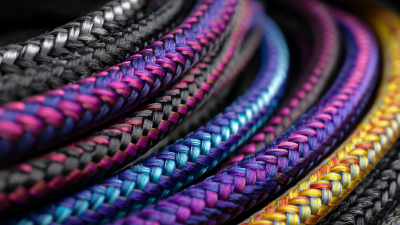
High-modulus carbon fiber ropes are known for their strength-to-weight ratio. They excel in marine and aerospace industries. Meanwhile, braided carbon fiber ropes provide excellent abrasion resistance. They are ideal for outdoor adventures and climbing activities. Think about where and how you'll use the rope. Do you need extra grip, or is lightweight a priority?
Keep in mind that not all ropes are created equal. Some may fray with regular use, while others retain their durability. Consider testing the rope under conditions similar to your intended use. This can reveal performance limitations. Choose wisely, as the right rope can enhance safety and efficiency in your endeavors.
Comparison of Different Types of Carbon Fiber Ropes
Assessing Strength, Weight, and Flexibility in Carbon Fiber Ropes
When selecting a carbon fiber rope, strength is a critical factor. A typical carbon fiber rope has a tensile strength ranging from 300 to 600 ksi (kilopounds per square inch). This high strength makes it suitable for demanding applications like aerospace or marine uses. However, not all ropes offer the same strength. Users should check the specific tensile rating provided by industry reports, which often include detailed comparisons.
Weight is another essential characteristic. Carbon fiber ropes are lightweight, which allows for easier handling in various situations. For instance, a carbon fiber rope can weigh 70% less than a steel rope of the same strength. This significant weight reduction can enhance user experience, especially in outdoor activities or rigging systems. Yet, the lighter weight may sometimes lead to a perception of fragility. It's essential to understand that while the rope is lightweight, it does not compromise on performance if adequately selected.
Flexibility is critical for adaptability. A properly designed carbon fiber rope should exhibit sufficient flexibility for the intended use. Flexibility ensures that the rope can navigate tight spaces and withstand repeated bending without failing. Users should consider the rope's application and assess bend radius specifications. Some industry studies recommend testing the rope under real-life conditions to gauge its flexibility. Ropes too rigid could compromise usability, leading to unforeseen challenges. A balanced approach to strength, weight, and flexibility will yield the best results for specific needs.
Ensuring Durability and UV Resistance in Carbon Fiber Rope Choices
When choosing carbon fiber rope, durability and UV resistance are critical factors. Many applications require robust materials that can withstand harsh environments. According to a recent industry report, nearly 70% of users prioritize UV resistance when selecting ropes for outdoor use. Carbon fiber offers excellent strength while remaining lightweight. However, not all carbon fiber ropes provide the same level of UV protection.
To ensure your carbon fiber rope maintains its performance, check for added UV stabilizers. These additives enhance the material's ability to resist degradation from sunlight. Some reports suggest that ropes with UV treatments can last up to 15% longer than untreated options. Pay attention to the specific application you have in mind. For instance, climbing and marine uses demand higher strength and superior UV resistance.
When assessing options, don’t overlook the importance of proper storage. Ropes left exposed to sunlight can degrade faster. Consider options that offer a protective cover when not in use. Remember, even high-quality ropes need periodic inspection. Inspect them for any sign of wear or fraying. Regular checks can prevent unexpected failures during critical tasks.