What is Pultrusion Carbon Fiber Bar Benefits and Applications?
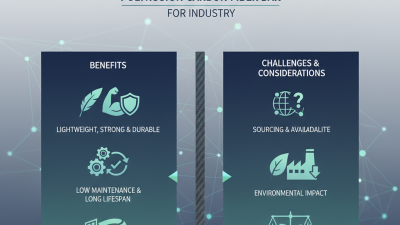
The "Pultrusion Carbon Fiber Bar" technology has gained significant traction in various industries due to its unique advantages. According to the latest report by Smith & Associates, the global market for carbon fiber composites is projected to exceed $60 billion by 2028, primarily driven by increasing demand for lightweight and high-strength materials. Experts emphasize that the Pultrusion process provides consistent quality and enhances material performance effectively.
Dr. Emily Johnson, a leading expert in composite materials, states, "The Pultrusion Carbon Fiber Bar represents a shift in manufacturing, offering efficiency and durability like never before." This method results in bars that are not only lightweight but also resistant to corrosion and fatigue. However, challenges remain in terms of cost and scalability. The potential for smaller manufacturers still calls for exploration and innovation.
Moreover, while the advantages are clear, the industry must address the environmental impact of carbon fiber production. Balancing performance with sustainability is crucial. As the market evolves, ongoing research and development will play a key role in shaping the future of Pultrusion Carbon Fiber Bars. The industry must continuously reflect on its practices to drive progress.
What is Pultrusion and How Does It Work?
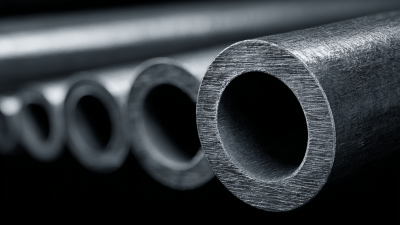
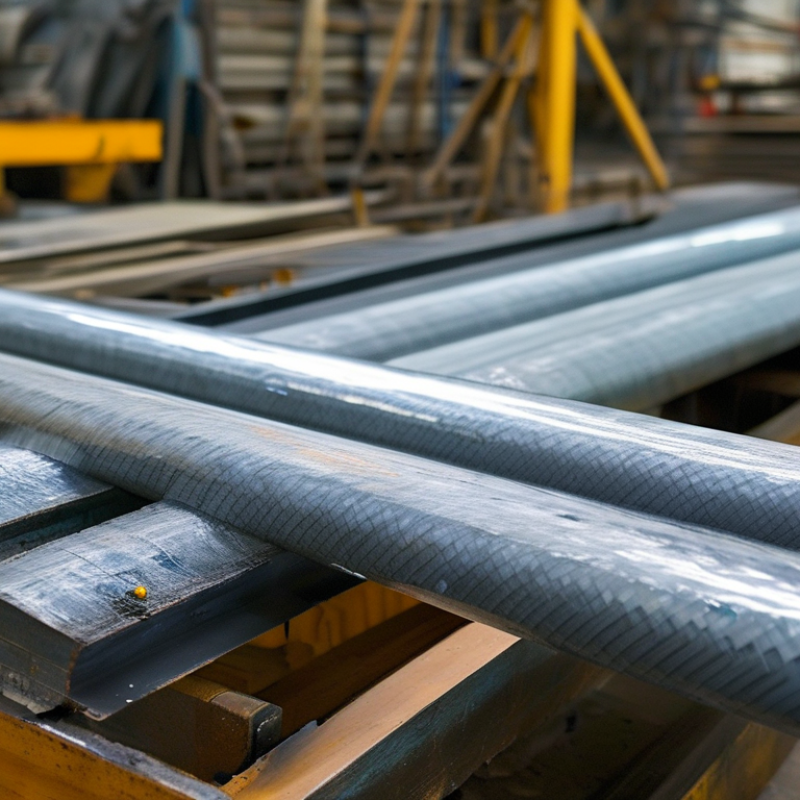
Pultrusion is a manufacturing process that creates composite materials. This method involves drawing fibers through a resin bath and then pulling them through a heated die. The heating process cures the resin, solidifying the structure into a strong, lightweight component. Pultrusion is highly efficient, producing continuous lengths of material with consistent properties.
When considering pultruded carbon fiber bars, it's essential to recognize their strength-to-weight ratio. They offer excellent tensile strength while remaining incredibly light. This makes them ideal for applications in aerospace, automotive, and construction industries. They can withstand harsh environments and do not corrode, which increases their longevity.
Choosing the right pultrusion process is vital. Each application may require different fibers or resins. Pay attention to the specific needs of your project. You might encounter challenges, like ensuring proper alignment and curing times. Addressing these issues early can save you time and improve product performance. Remember, understanding the nuances of the pultrusion process will lead to better outcomes.
Key Benefits of Carbon Fiber Bars in Pultrusion
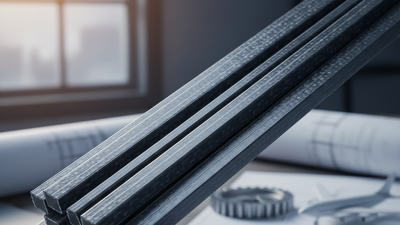
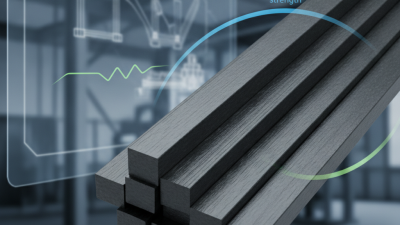
Carbon fiber bars in pultrusion offer several key benefits that make them essential in various applications. These bars are known for their high strength-to-weight ratio. This means they can support heavy loads without adding excessive weight. It is crucial in sectors like construction and automotive, where minimizing weight is vital for efficiency.
Another significant advantage is their resistance to corrosion. Unlike traditional materials, carbon fiber bars do not rust or degrade in harsh environments. This longevity ensures lower maintenance costs and reduces the need for frequent replacements. Additionally, their excellent dimensional stability helps maintain precise tolerances over time, which is critical in applications requiring accuracy.
While these benefits are compelling, challenges exist. The manufacturing process can be costly, which may deter some businesses. Not all applications may benefit equally from carbon fiber’s specific properties. Reflecting on these factors can lead to better decision-making in material selection. Understanding both the advantages and limitations of carbon fiber bars in pultrusion enhances their effective use in industry.
Benefits of Carbon Fiber Bars in Pultrusion
Common Applications of Pultrusion Carbon Fiber Bars
Pultrusion carbon fiber bars are increasingly recognized for their unique properties and versatile applications. These bars are known for their high strength-to-weight ratio, making them ideal for various sectors. According to a recent report by Grand View Research, the global carbon fiber market is expected to reach $30.17 billion by 2025, driven partly by the pultrusion process. This method ensures uniformity and enhances the structural integrity of the bars, which is essential in demanding applications.
In the construction industry, pultrusion carbon fiber bars are being used for reinforcing structures. They provide high tensile strength without adding significant weight. This can lead to reduced structural loads and costs, which can be crucial for large-scale projects. A study by the American Concrete Institute noted that incorporating carbon fiber in building materials improves durability and longevity. Such benefits are particularly appealing in regions prone to harsh weather conditions.
Another prominent application is in the automotive sector. Carbon fiber bars in vehicle components can improve fuel efficiency by reducing overall weight. This aligns with the rising demand for sustainable practices in manufacturing. However, challenges remain regarding the recycling of carbon fiber composites. The industry must innovate solutions for end-of-life management to overcome these hurdles and fully leverage the potential of pultrusion carbon fiber bars.
Comparative Analysis: Pultrusion vs. Other Composite Manufacturing Methods
Pultrusion is a unique composite manufacturing method focused on creating strong, lightweight materials like carbon fiber bars. Compared to traditional methods, such as hand lay-up and filament winding, pultrusion offers significant advantages. It produces parts with consistent cross-sections, a factor that enhances structural integrity. This uniformity leads to less waste and improves efficiency in both manufacturing and material usage.
However, not all applications suit pultrusion. While it excels in producing long, continuous parts, it's less effective for complex shapes. Other methods might be preferable when intricate designs are required. For instance, hand lay-up techniques can cater to custom shapes, despite being labor-intensive. Choosing between pultrusion and other manufacturing methods hinges on project specifications. Considerations such as part geometry, production speed, and mechanical properties are vital for decision-making.
In practice, the selection often reveals challenges. Some engineers may overlook pultrusion's limitations in severe thermal environments. Yet, when applied correctly, pultrusion's benefits can overshadow these drawbacks. Acknowledging these critical factors enables designers and engineers to leverage pultrusion effectively, ensuring optimal outcomes in various applications.
Future Trends in Pultrusion Carbon Fiber Technology
Pultrusion technology is advancing rapidly, especially in carbon fiber applications. This method offers strong, lightweight materials suitable for various industries. The benefits of pultrusion carbon fiber bars are evident in construction, automotive, and aerospace sectors. These bars resist corrosion and reduce the overall weight of structures. Designers appreciate their versatility in fitting numerous applications.
Looking to the future, trends will likely focus on automation and customization. Enhanced production techniques can allow for tailored properties in carbon fiber bars. This could lead to improved mechanical performance and efficiency. Research into sustainable materials will also gain momentum. The industry may explore bio-based fibers for environmentally friendly alternatives.
Despite these advancements, challenges remain. The cost of raw materials can be high, limiting accessibility for small-scale projects. Additionally, integrating pultrusion with existing manufacturing processes poses questions. Companies must consider these issues while striving for innovation. This evolving landscape of pultrusion carbon fiber technology demands both reflection and adaptation.
What is Pultrusion Carbon Fiber Bar Benefits and Applications?
| Benefit / Application |
Description |
Industry |
| High Strength-to-Weight Ratio |
Pultrusion carbon fiber bars provide excellent strength while remaining lightweight, making them suitable for various applications. |
Aerospace, Automotive |
| Corrosion Resistance |
The material's resistance to environmental factors enhances durability and longevity in harsh conditions. |
Construction, Marine |
| Design Flexibility |
Custom shapes and sizes can be easily achieved through pultrusion, allowing for unique design requirements. |
Manufacturing, Electronics |
| Thermal Stability |
These bars can maintain structural integrity under high-temperature conditions, making them ideal for certain applications. |
Automotive, Industrial |
| Electrical Insulation |
Carbon fiber bars provide excellent insulation properties, making them suitable for electrical applications. |
Electronics, Telecommunications |