Why Choose Pultruded Carbon Fiber Bar for Your Next Project?
In today's fast-paced world, choosing the right materials for your projects can make a significant difference. One material that stands out is the Pultruded Carbon Fiber Bar. This innovative product offers exceptional strength, lightness, and durability. Engineers and designers appreciate its flexibility in various applications.
Pultruded Carbon Fiber Bars are increasingly used in construction, automotive, and aerospace industries. Their resistance to corrosion and chemicals enhances their appeal. However, not every project requires this advanced material. We must carefully evaluate the specific needs and costs. Sometimes, using traditional materials may be more practical.
The decision to use Pultruded Carbon Fiber Bars requires thoughtful consideration. Exploring different options can lead to better project outcomes. Balancing performance and budget is essential. With the right approach, you can leverage the benefits of this remarkable material.
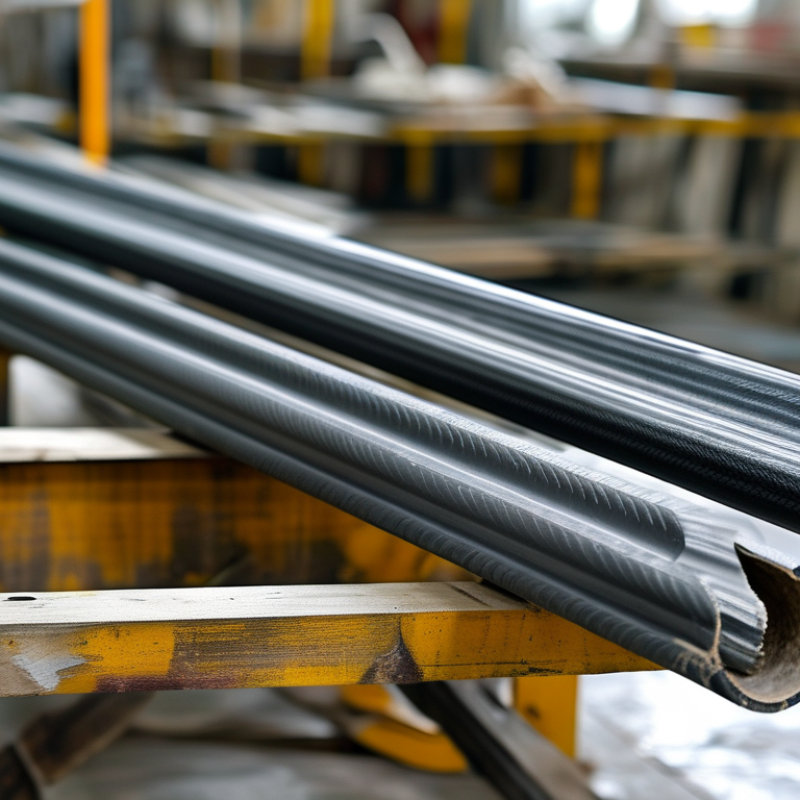
Benefits of Pultruded Carbon Fiber Bars in Engineering Applications
Pultruded carbon fiber bars are increasingly popular in engineering applications. These materials provide remarkable strength and lightweight properties. Their resistance to corrosion makes them ideal for harsh environments. Many industries have begun to recognize their value.
In construction, pultruded carbon fiber bars can enhance structural integrity. They can support larger spans compared to traditional materials. This reduces the need for additional supports. Architects often face challenges managing weight and strength. Carbon fiber bars address these concerns effectively.
**Tip:** Consider using pultruded carbon fiber bars in design when weight constraints are crucial.
In marine applications, these bars are resistant to saltwater and harsh weather. This durability extends the lifespan of structures significantly. However, not all projects require carbon fiber. Evaluate the specific needs before choosing this material.
**Tip:** Analyze all project requirements carefully. This can prevent unnecessary costs.
Engineers enjoy a variety of application options with pultruded carbon fiber bars. They display impressive flexibility in design and performance. Experimenting with new uses may open up exciting possibilities. Be mindful, though, that over-reliance on advanced materials could lead to unexpected failures.
Key Properties of Pultruded Carbon Fiber Bars Explained
Pultruded carbon fiber bars have gained attention for their exceptional properties. These bars are lightweight but incredibly strong. Their tensile strength surpasses that of steel, making them ideal for various applications. They resist corrosion, which is a significant advantage in harsh environments. This durability ensures a longer lifespan in structural applications.
Another important property is their low thermal expansion. This means they maintain their shape under varying temperatures. As projects often face temperature fluctuations, this quality is crucial for structural integrity. However, potential users should reflect on the cost of carbon fiber compared to other materials. The initial investment can be high, but the long-term benefits may justify the expense.
Pultruded carbon fiber bars also offer excellent fatigue resistance. They can withstand repeated stress without failing. Although they excel in performance, installation may require specialized tools or techniques. This factor can lead to additional considerations during project planning. It's essential to weigh these attributes against your project's specific needs.
Comparative Analysis: Pultruded Carbon Fiber vs. Traditional Materials
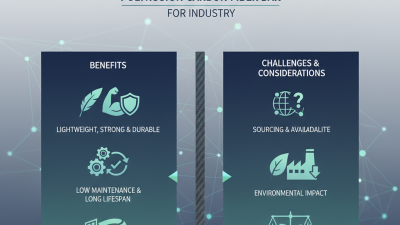
When evaluating materials for your next project, pultruded carbon fiber offers distinct advantages over traditional options. Traditional materials like steel or wood may be less expensive upfront, but they often come with higher long-term costs. Pultruded carbon fiber is lighter, stronger, and resistant to corrosion. This results in lower maintenance needs and enhanced durability over time.
One key factor to consider is the weight-to-strength ratio. Pultruded carbon fiber is remarkably strong while remaining lightweight. This can simplify transport and installation. In contrast, heavy traditional materials may complicate logistics. Additionally, carbon fiber's resistance to environmental factors helps maintain structural integrity.
Tips: Always assess your project’s specific needs before choosing a material. Consider load requirements and environmental exposure. Reflect on how traditional materials may limit flexibility and innovation in design. Opting for pultruded carbon fiber today might pave the way for advanced solutions tomorrow. Explore all options thoroughly: you might find that stepping away from convention leads to unexpected benefits.
Why Choose Pultruded Carbon Fiber Bar for Your Next Project?
| Material Type |
Density (g/cm³) |
Tensile Strength (MPa) |
Flexural Modulus (GPa) |
Corrosion Resistance |
Weight Reduction (%) |
Cost (per kg) |
| Pultruded Carbon Fiber |
1.6 |
600-800 |
150-250 |
Excellent |
30-50% |
$20-$30 |
| Aluminum |
2.7 |
200-400 |
70-80 |
Good |
10-20% |
$3-$5 |
| Steel |
7.9 |
400-600 |
200-210 |
Poor |
0% |
$5-$10 |
| Fiberglass |
1.9 |
300-400 |
50-90 |
Moderate |
20-30% |
$4-$8 |
Applications of Pultruded Carbon Fiber Bars in Various Industries
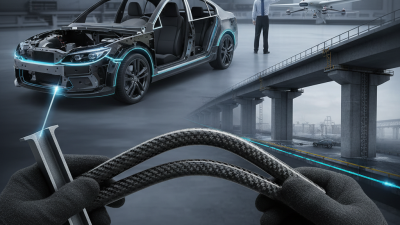
Pultruded carbon fiber bars are increasingly popular across various industries due to their unique properties. Their lightweight nature combined with high strength makes them ideal for applications in aerospace, automotive, and construction. In the aerospace sector, these bars are utilized in aircraft structures and components. Their resistance to corrosion and fatigue contributes to safer, longer-lasting designs.
In the automotive industry, pultruded carbon fiber bars play a vital role in manufacturing lightweight parts that enhance fuel efficiency. Their ability to withstand harsh conditions makes them suitable for undercarriage components. The construction sector benefits significantly from these materials as well. They are used in reinforcing structures and in bridge construction, providing both support and flexibility.
While pultruded carbon fiber bars offer numerous advantages, challenges remain. Cost considerations can be a barrier for some projects. Understanding the manufacturing process and ensuring quality can lead to better results. Proper training and knowledge are essential for maximizing their potential in different applications.
Cost-Effectiveness and Sustainability of Pultruded Carbon Fiber Solutions
Pultruded carbon fiber offers significant advantages in cost-effectiveness and sustainability. According to a recent study by the Composites Market Report, the global demand for carbon fiber in construction and manufacturing is projected to reach $7.1 billion by 2025. This growth highlights the increasing recognition of carbon fiber's efficiency and long-term value. The initial investment may seem high compared to traditional materials. However, the durability and lifespan of carbon fiber can lead to substantial savings over time due to reduced maintenance costs.
Sustainability is another key aspect of pultruded carbon fiber solutions. A report by the American Carbon Fiber Association indicates that carbon fiber has a lower carbon footprint when recycled compared to steel. Additionally, its lightweight nature contributes to lower energy requirements for transportation. These characteristics make it an environmentally friendly choice. However, the challenge remains in the recycling process itself, as many facilities still lack the technology to efficiently recycle carbon fiber.
While pultruded carbon fiber shows promise, it’s essential to note that not every project may benefit from its use. Certain applications may require alternative materials that offer better performance or cost efficiency. Evaluating the specific needs of each project is crucial. Engaging in thorough research and seeking expert advice can help in determining the right material for your next venture.