How to Choose the Best Carbon Fiber Webbing for Your Needs?
In the world of high-performance materials, carbon fiber webbing stands out for its strength and versatility. A recent report from Market Research Future estimates the global carbon fiber market will reach $5.74 billion by 2025, driven by rising demand across various sectors. This growth highlights the increasing importance of selecting the right carbon fiber webbing tailored to specific applications.
Carbon fiber webbing is often chosen for its lightweight properties and high tensile strength. Notably, this material is used in aerospace, automotive, and sporting goods, emphasizing the need for informed decisions based on application requirements. However, not all carbon fiber webbing is created equal. Factors such as weave pattern, fiber type, and resin compatibility play crucial roles in performance and durability.
Choosing the best carbon fiber webbing requires careful evaluation. An understanding of the intended use is essential. Whether it's for structural applications or aesthetic enhancements, the decision can significantly impact the overall project success. It is vital to reflect on past experiences and industry standards to guide your selection process.
Understanding Carbon Fiber Webbing and Its Applications
Carbon fiber webbing has gained popularity across various industries due to its unique properties. Lightweight yet strong, this material offers significant advantages in applications requiring durable support. According to a 2020 market analysis, the global carbon fiber market is projected to reach 6.5 billion USD by 2025. This points to a growing demand, especially in the aerospace, automotive, and sports sectors, where performance is critical.
In the realm of high-stress applications, carbon fiber webbing shines. It is used in aerospace for structural reinforcements and load-bearing elements. In automotive settings, it contributes to weight reduction without sacrificing safety. The sports industry also utilizes it in equipment like high-performance bicycles and fishing rods. However, challenges exist. Not all carbon fiber webbing is created equal. Variations in manufacturing processes can affect tensile strength and flexibility. A product may meet design specifications but underperform in real-world applications.
Different applications require specific characteristics. Some projects need high elasticity, while others prioritize shear strength. Engineers must carefully evaluate these needs to select the appropriate type. Additionally, flexibility in design can lead to innovative solutions but may complicate production. Understanding the application context is crucial for optimizing performance and ensuring reliability.
Carbon Fiber Webbing Applications and Strength Comparison
Key Factors to Consider When Choosing Carbon Fiber Webbing
When choosing carbon fiber webbing, several key factors come into play. The first is the tensile strength. A higher tensile strength indicates better durability, especially for heavy loads. Examine the webbing's width as well. Wider webbing can distribute weight more evenly, reducing stress on any single point.
Next, consider the environmental conditions where the webbing will be used. Some carbon fiber webbing is treated to resist UV rays or moisture. These features enhance longevity and ensure performance in diverse conditions. Also, think about the type of application. Will it be for climbing, racing, or maybe securing items? Each use may demand specific properties.
It's worth reflecting on your actual needs. Are you prioritizing weight reduction over strength, or vice versa? Sometimes, the best option may not be the most recognized one. Evaluate both specifications and your intended use. Leaving gaps in understanding can lead to less effective choices. Knowing your priorities will guide you in making an informed decision.
Comparing Different Types of Carbon Fiber Webbing Materials
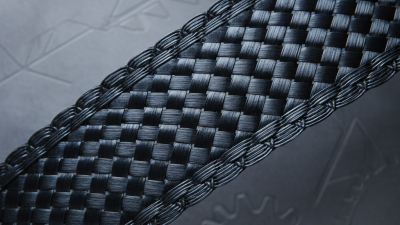
When assessing different types of carbon fiber webbing, it's essential to consider various factors. Carbon fiber webbing varies in thickness, tensile strength, and weave type. For instance, a plain weave is ideal for flexibility, while a twill weave offers enhanced durability. Each type serves different needs in applications, from outdoor gear to automotive uses.
Understanding the material's properties is crucial. Some webbing is engineered for high load-bearing applications, while others may prioritize lightweight design. It's easy to overlook specific requirements, such as UV resistance or moisture management. Evaluating these factors can prevent costly mistakes during your selection process.
Using carbon fiber webbing also raises questions about sustainability. With fast-paced production, not all webbing is environmentally friendly. Manufacturers sometimes compromise on eco-friendly practices for efficiency. Reflecting on such aspects is vital for making informed choices. Adding these considerations can guide you to the most suitable carbon fiber webbing for your project.
Evaluating Strength and Durability in Carbon Fiber Webbing Options
When evaluating strength and durability in carbon fiber webbing options, consider the material's fabric structure. The weave pattern affects load capacity. A tighter weave provides improved strength. Ensure the webbing can withstand the intended load without stretching or degrading. This means assessing tensile strength and resistance to wear.
Look into the resin used in the carbon fiber. It influences durability significantly. High-quality resin enhances weather resistance and prevents breakdown over time. Pay attention to UV resistance as well. Exposure to sunlight can weaken some carbon fiber materials, leading to potential failures.
Finally, don't overlook the importance of testing. Some products may claim high strength, but real-world applications can differ. Check for third-party certifications that validate the webbing's strength claims. Reflect on how your specific needs align with these evaluations. Conducting thorough research will ensure your chosen webbing meets your performance expectations.
Assessing Price and Quality Balance for Carbon Fiber Webbing Choices
When selecting carbon fiber webbing, balancing price and quality is crucial. A 2022 industry report indicated that premium carbon fiber materials could cost between $30 to $50 per yard. However, lower-priced options may compromise structural integrity. Assess your specific needs. Consider the webbing's tensile strength, which can vary significantly. Some products offer strengths of 500 MPa, while others may be less than half.
Tips: Always request samples before purchasing. This helps you evaluate quality in real-world applications. Check the webbing’s weave patterns, as they influence performance. Diverse weaves can affect weight distribution and flexibility.
Quality often comes with a price. However, choose wisely. A cheaper option may save initial costs but could lead to higher risks. Reduced durability impacts long-term usability and safety. Reports suggest many users face premature wear when opting for low-cost alternatives. Reflect on the potential trade-offs of short-term savings versus long-term benefits. Ensure your carbon fiber webbing aligns with your project’s specifications. Protect your investment by prioritizing reliable suppliers with solid industry reputations.
How to Choose the Best Carbon Fiber Webbing for Your Needs?
| Dimension |
Weight (grams/meter) |
Tensile Strength (MPa) |
Price (per meter) |
Applications |
| 25mm |
15 |
4000 |
$5.00 |
Bags, Straps |
| 50mm |
30 |
5000 |
$8.00 |
Sport Equipment |
| 75mm |
45 |
6000 |
$12.00 |
Industrial Uses |
| 100mm |
60 |
7000 |
$15.00 |
Automotive, Aerospace |