How to Choose the Best Carbon Fiber Composites for Your Needs?
When selecting materials for various applications, Carbon Fiber Composites stand out as an excellent choice. Their unique properties, such as high strength-to-weight ratio and corrosion resistance, make them ideal for many industries. However, not all carbon fiber composites are created equal. Understanding your specific needs is essential.
Evaluating factors such as tensile strength, flexibility, and thermal stability is crucial. For instance, aerospace applications require different specifications compared to automotive uses. It can be overwhelming due to the vast options available. Each composite type has its advantages and downsides, which you must consider carefully.
Navigating the selection process involves knowledge and experience. It's not just about choosing the most popular materials; it's about finding what fits your project best. Engage with experts to avoid common pitfalls. Reflecting on your requirements will guide you to the right carbon fiber composite to ensure reliability and efficiency in your application.

Understanding Carbon Fiber Composites: Composition and Properties
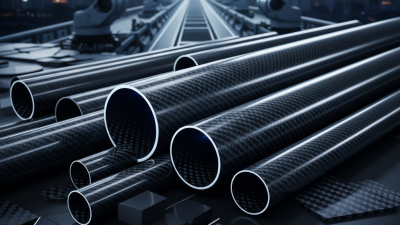
Understanding carbon fiber composites is crucial when selecting materials for your projects. These composites are primarily made from carbon fibers and a polymer matrix. The unique combination offers excellent strength-to-weight ratios, making them ideal for various applications. Their lightweight nature significantly reduces the overall weight of products, which can enhance performance.
When considering carbon fiber composites, think about your specific needs. Applications vary from aerospace to automotive. Each field demands different specifications. For example, aerospace components require high stiffness and low weight, whereas automotive applications may prioritize flexibility and durability.
Tips: Assess your project requirements carefully. Consider the operating environment and stress factors. Testing samples before making a final decision can save time and resources. Remember, not all carbon fiber composites are created equal. Understanding their properties is key to making the right choice. Always explore multiple suppliers to find the most suitable materials.
How to Choose the Best Carbon Fiber Composites for Your Needs?
| Property |
Description |
Typical Values |
Applications |
| Tensile Strength |
Maximum stress material can withstand while being stretched or pulled |
50-600 MPa |
Aerospace, Automotive |
| Weight |
Density of the material, contributing to overall weight savings |
1.5-2.0 g/cm³ |
Sporting Goods, Marine |
| Flexural Modulus |
Measure of a material's ability to resist deformation under load |
40-300 GPa |
Construction, Wind Energy |
| Impact Resistance |
Ability to withstand shock loading |
Varies widely; typically high |
Automotive, Electronics |
| Thermal Conductivity |
Ability to conduct heat |
0.3-0.5 W/m·K |
Aerospace, Thermal Insulation |
Evaluating Mechanical Properties: Tensile Strength, Modulus, and Impact Resistance
Choosing the right carbon fiber composites requires careful evaluation of mechanical properties. Key factors such as tensile strength, modulus, and impact resistance play a vital role. Tensile strength measures a material's ability to withstand pulling forces. For example, high-performance carbon fiber composites often exceed 600 MPa. This strength makes them ideal for aerospace and automotive applications.
Modulus is equally important. It indicates how stiff a material is under stress. Composites with a high modulus can be over 200 GPa. This stiffness is crucial when maintaining shape and performance under load. However, selecting a composite solely based on high modulus may overlook its impact resistance.
Impact resistance deserves attention as well. It's essential for applications exposed to dynamic forces. Reports suggest that composite materials can absorb up to 30% more energy than metals in certain configurations. While strength and stiffness are vital, achieving a balance with impact resistance often requires trade-offs. These considerations highlight the complexities in selecting the right carbon fiber composites. Proper analysis and testing are crucial for ensuring the chosen material meets performance needs.
Identifying Application Needs: Aerospace, Automotive, and Sports Equipment
When selecting carbon fiber composites, consider the application needs. In aerospace, weight reduction is crucial. Components like wings and fuselage benefit from lightweight materials. The goal is to enhance fuel efficiency while maintaining strength. Proper evaluation of the environmental conditions, like high temperatures and pressures, is essential. Choices should focus on materials that withstand these extreme conditions.
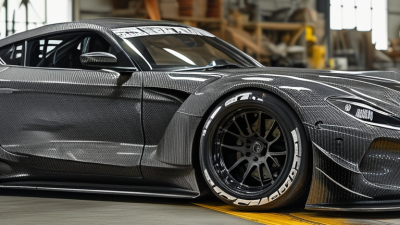
In the automotive sector, safety and performance are priorities. Carbon fiber composites enhance structural integrity while reducing vehicle weight. This results in better acceleration and handling. Testing material resilience is vital here. A failure could lead to accidents. Always weigh the pros and cons of different composite grades.
For sports equipment, user experience is key. Athletes require lightweight yet strong gear to improve performance. The feel and balance of the equipment matter significantly. A composite that is too rigid might not perform well in dynamic environments. Observations from users can guide refinements in materials. Always seek feedback on prototypes to improve the final product.
Cost Analysis: Balancing Performance and Budget in Material Selection
When selecting carbon fiber composites, cost analysis plays a crucial role. The price of carbon fiber materials can range from $20 to $100 per pound, depending on their type and application. Understanding the specific requirements of your project helps balance performance and budget. A survey by the Composites Institute indicates that nearly 68% of manufacturers prioritize cost when selecting materials, yet performance remains essential.
It is important to assess the long-term value. High-quality composites may require a higher upfront investment but can lead to lower maintenance costs and longer lifespans. For example, a study from the American Composites Manufacturers Association reported that using carbon fiber resulted in a 30% weight reduction in aerospace applications, leading to fuel savings of up to $200,000 annually per aircraft. Such data highlight potential savings that offset initial costs.
However, decision-makers often overlook hidden costs. These can include tooling expenses and labor for fabrication. Ideally, designers should conduct a thorough cost-benefit analysis that considers these factors. Not every project aligns perfectly; continual evaluation of material choices is crucial to ensure that the selected composite meets both performance expectations and budget constraints.
Sustainability Considerations: Recycling and Environmental Impact of Composites
When considering carbon fiber composites, sustainability plays a critical role. Many people overlook how materials impact the environment. Carbon fibers have a complex life cycle. This includes production, use, and disposal. Recycling options for composites are limited, posing challenges. Innovations in recycling methods are necessary to address this issue.
The environmental impact of carbon fiber composites cannot be ignored. Manufacturing processes often involve high energy consumption and toxic chemicals. These factors contribute to greenhouse gas emissions. On the other hand, carbon fiber's lightweight nature can enhance fuel efficiency in various applications. This is a double-edged sword. While they reduce emissions during use, their production raises serious concerns.
Awareness of these issues is crucial. Consumers and manufacturers alike must emphasize sustainable practices. Recycling technologies are gradually improving but still need comprehensive development. Exploring bio-based fibers is another option. Innovation can lead to more sustainable solutions in the composite industry. Reflecting on our choices can help drive the change we need for a greener future.
Carbon Fiber Composites Sustainability Considerations