Pultruded Carbon Fiber Bar Benefits and Applications Tips?
Pultruded Carbon Fiber Bar has made significant strides in various industries due to its unique properties. This material offers high strength-to-weight ratios, corrosion resistance, and minimal thermal expansion. These characteristics make Pultruded Carbon Fiber Bar an excellent choice for applications in aerospace, automotive, and construction.
Many engineers prefer this material for its durability and flexibility. It can be easily molded into various shapes, enhancing its usefulness. However, potential users should consider the cost implications. While Pultruded Carbon Fiber Bar excels in performance, it sometimes comes at a higher price than traditional materials.
In real-world applications, these bars can reduce weight dramatically in structural designs. This reduction can lead to improved fuel efficiency in vehicles. Yet, there are challenges. Sometimes, their performance can be overestimated, leading to improper use. Reflecting on these aspects is crucial for maximizing the benefits of Pultruded Carbon Fiber Bar.
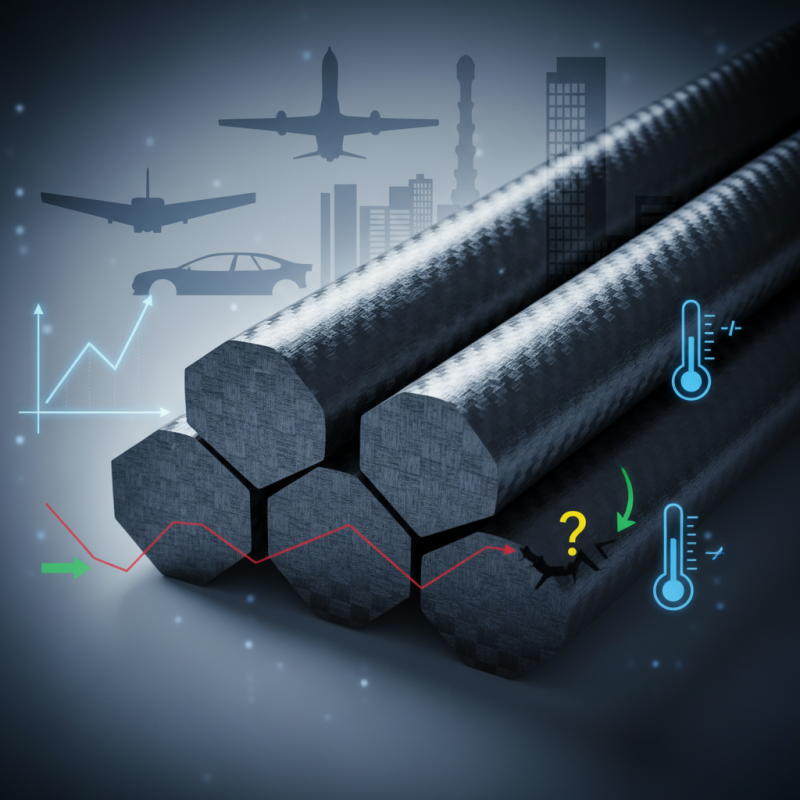
Benefits of Pultruded Carbon Fiber Bars in Various Industries
Pultruded carbon fiber bars are becoming popular across various industries. Their lightweight nature offers significant advantages in projects that demand reduced weight without sacrificing strength. Many engineers are now exploring these bars for constructions and frameworks, as they exhibit excellent resistance to environmental conditions.
In the automotive sector, using pultruded carbon fiber bars can enhance vehicle performance. These materials improve fuel efficiency by reducing overall weight. However, proper engineering is crucial. Not every application will yield the same benefits. Always consider the specific requirements of your project.
When integrating these bars, it’s essential to recognize their limitations. They may not be suitable for thermal applications due to their insulation properties. Consider conducting thorough material tests before full-scale implementation. Remember to evaluate the long-term durability and maintenance needs, as carbon fiber can be sensitive to certain chemicals.
Key Properties of Pultruded Carbon Fiber Bars That Enhance Performance
Pultruded carbon fiber bars are known for their impressive strength-to-weight ratio. This unique property makes them ideal for various applications, from aerospace to automotive industries. They are lightweight yet incredibly strong, offering durability in demanding environments.
One of the key properties is resistance to corrosion. Unlike metal, carbon fiber does not rust or degrade when exposed to harsh chemicals. This makes it a reliable choice for infrastructure and maintenance applications. The bars also exhibit excellent fatigue resistance, meaning they can withstand repeated loads over time without failure.
Tips: Consider the specific environment where the carbon fiber bars will be used. Different applications may have distinct pressure and temperature requirements. If unsure, conducting a stress test can provide insight into their performance. Additionally, think about the method of installation. Proper techniques are crucial to avoid common issues like delamination. Understanding these factors can enhance the effectiveness of your choice.
Applications of Pultruded Carbon Fiber Bars in Construction and Engineering
Pultruded carbon fiber bars are increasingly popular in construction and engineering. They offer high strength and low weight, making them ideal for various applications. These bars can withstand harsh environments, providing durability over time. Their resistance to corrosion enhances their appeal for projects in demanding settings like bridges or buildings near water.
In construction, these bars serve as reinforcement in concrete structures. They improve tensile strength while being non-magnetic and non-conductive. However, installation requires skilled labor to ensure proper fitting. Engineers must also consider the cost-effectiveness compared to traditional materials. In some cases, the initial investment may seem high, but the long-term benefits often outweigh the drawbacks.
The use of pultruded carbon fiber bars in engineering extends to uses in seismic-resistant designs. Their lightweight nature allows for innovative architecture. Still, one must reflect on how to optimize their usage effectively. The properties of these materials can lead to unpredictable failures if not appropriately applied. Designers should remain vigilant and prepared for potential challenges.
Benefits and Applications of Pultruded Carbon Fiber Bars in Construction and Engineering
| Application Area |
Benefits |
Key Characteristics |
Typical Uses |
| Bridge Construction |
High strength-to-weight ratio, Corrosion resistance |
Lightweight, Durable, Non-conductive |
Reinforcement of bridge structures, Decks |
| Building Reinforcement |
Increased load capacity, Longer lifespan |
Stiffness, Lightweight |
Support for beams, Columns |
| Water Treatment Facilities |
Resistant to harsh chemicals, Reduced maintenance costs |
Non-reactive, Durable |
Gratings, Handrails |
| Marine Structures |
Excellent durability in saltwater, Lightweight design |
Water resistance, Strength |
Piers, Decking |
| Industrial Applications |
Reduced weight for machinery, Higher performance |
Impact resistance, Flexibility |
Support brackets, Frames |
Comparative Analysis: Pultruded Carbon Fiber Bars vs. Traditional Materials
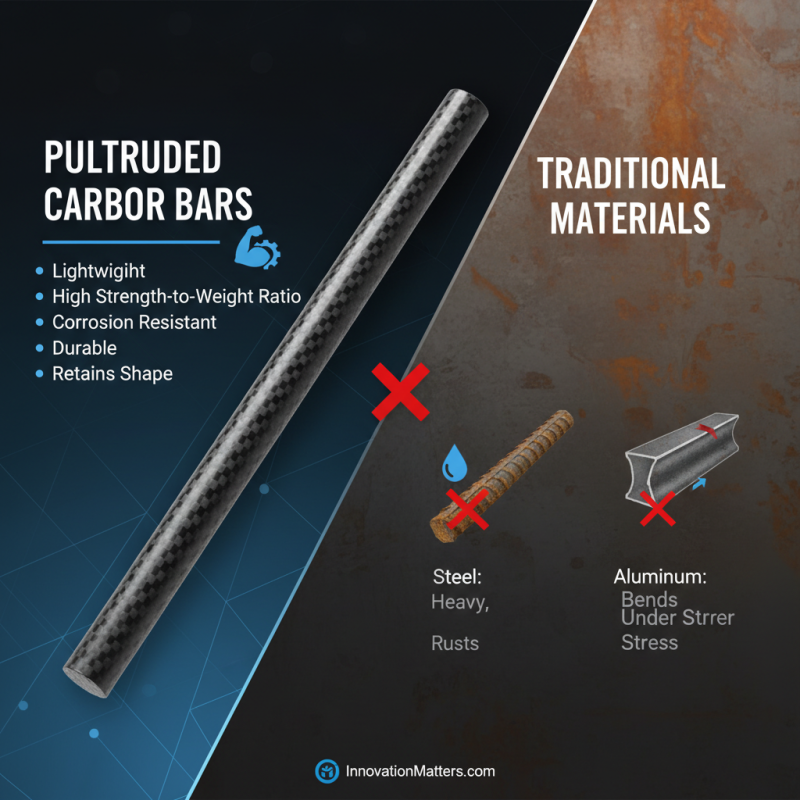
Pultruded carbon fiber bars are gaining attention due to their impressive performance. They are lightweight yet strong, offering a favorable strength-to-weight ratio. Traditional materials often fall short in this aspect. For example, steel is heavy and rusts, while aluminum can bend under stress. In contrast, carbon fiber remains durable, resistant to corrosion, and retains its shape under various conditions.
Furthermore, pultruded carbon fiber bars exhibit excellent fatigue resistance. Structures made with them experience less wear over time. This longevity is particularly valuable in critical applications like construction and automotive components. However, some caution is warranted. Carbon fiber can be more expensive upfront than conventional materials, and its production process can be energy-intensive. Balancing these factors is essential for long-term gains. Choosing the right material should involve careful consideration of specific needs and costs. An informed decision can lead to exceptional performance and resilience.
Tips for Selecting and Using Pultruded Carbon Fiber Bars Effectively
When considering pultruded carbon fiber bars, it’s essential to focus on certain factors. First, understand the specific application. These bars are strong and lightweight, making them ideal for construction, automotive, and aerospace industries. They resist corrosion and fatigue, meaning they last longer in harsh conditions.
Choosing the right specifications is crucial. Assess the dimensions and weight capacity needed for your project. A small miscalculation can lead to inadequate support. Pay attention to the layup patterns and resin types, as these affect performance. Weight limits and usage environments should also be reviewed cautiously.
Maintaining pultruded carbon fiber bars ensures their longevity. Clean the surfaces regularly to avoid buildup that can weaken the material. Be mindful of temperature changes; extreme heat or cold can alter their properties. It's worthwhile to document the bar's performance over time. Identifying any issues early can prevent larger problems later.