Top Uses of Forged Carbon Sheet in Manufacturing Today?
Forged Carbon Sheet is gaining traction in manufacturing due to its incredible strength and lightweight properties. According to recent industry reports, the global market for carbon fiber reinforced materials is projected to reach $40 billion by 2025, with forged carbon playing a crucial role. This innovative material combines the advantages of traditional carbon fiber with enhanced durability, making it ideal for high-performance applications.
In sectors such as automotive and aerospace, Forged Carbon Sheet is revolutionizing product design. For example, automotive manufacturers are increasingly using it for structural components, reducing weight by up to 30%. This has significant implications for fuel efficiency and overall performance. The aerospace industry benefits similarly, relying on Forged Carbon Sheet for its ability to withstand extreme conditions while maintaining structural integrity.
However, the adoption of Forged Carbon Sheet is not without challenges. Its production processes can be complex and costly, requiring skilled labor and advanced technology. There is an ongoing need for innovation to streamline manufacturing. Despite these hurdles, the potential applications for Forged Carbon Sheet continue to expand, emphasizing the importance of ongoing research and development in this promising field.

Significance of Forged Carbon Sheet in Modern Manufacturing
Forged carbon sheet is rapidly gaining traction in the manufacturing sector. Its unique properties offer manufacturers enhanced options for design and performance. According to a recent industry report, the global market for advanced composite materials, including forged carbon, is expected to reach $25 billion by 2025. This surge indicates significant demand in various applications.
The strength-to-weight ratio of forged carbon sheet is remarkable. It can be up to twice as strong as traditional materials while being lighter. This makes it ideal for aerospace and automotive industries, where performance and efficiency are crucial. In aerospace, for instance, weight reduction can lead to lower fuel consumption, impacting operational costs. However, the manufacturing process can be complicated and requires specialized techniques, which may not be readily available in all facilities.
Furthermore, forged carbon's aesthetic appeal has become a driving force in consumer products. High-end gadgets and luxury goods are increasingly incorporating this material for its striking appearance. Yet, the market still faces challenges. Not every manufacturer has the expertise or capabilities to harness the full potential of forged carbon. As interest grows, organizations must invest in technology and training to stay competitive.
Top Uses of Forged Carbon Sheet in Manufacturing Today
| Application |
Industries |
Benefits |
Material Properties |
| Aerospace Components |
Aerospace |
Lightweight, high strength-to-weight ratio |
High stiffness, excellent fatigue resistance |
| Automotive Parts |
Automotive |
Durability, improved performance |
Corrosion resistance, thermal stability |
| Sporting Equipment |
Sports |
Enhanced performance, customization |
Lightweight, high impact resistance |
| Medical Devices |
Healthcare |
Precision, biocompatibility |
Non-reactive, high toughness |
| Consumer Electronics |
Electronics |
Lightweight design, aesthetics |
Electrical conductivity, thermal management |
Key Characteristics of Forged Carbon Sheet
Forged carbon sheet is gaining prominence in various manufacturing sectors due to its unique characteristics. The material is renowned for its lightweight nature, making it ideal for applications where weight reduction is crucial. It boasts high strength and resistance to impact, which enhances durability and longevity in products. These properties make it a preferred choice in industries like aerospace, automotive, and sports equipment.
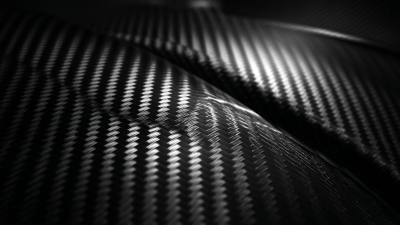
Manufacturers favor forged carbon sheet for its aesthetic appeal. The material features a striking, dynamic pattern that enhances the look of finished goods. It can be molded into complex shapes, allowing for innovative designs. Such versatility encourages creative freedom in product development.
Tips: When working with forged carbon sheet, always consider its thermal properties. It can handle high temperatures without compromising structural integrity. Also, ensure you have the right tools for cutting and shaping. Incorrect tools can lead to imperfect finishes. Check for compatibility with adhesives and coatings to maintain performance. This consideration will ensure the quality of production without unexpected complications.
Common Applications in Aerospace and Automotive Sectors
Forged carbon sheets are gaining traction in aerospace and automotive manufacturing. These materials offer a unique blend of strength and lightweight properties. In aerospace, they enhance fuel efficiency and performance. For example, aircraft components often require materials that endure extreme conditions. Forged carbon meets these demands effectively.
In the automotive sector, the use of forged carbon sheets is on the rise. Manufacturers are integrating them into high-performance vehicles. The lightweight nature reduces overall vehicle weight, improving acceleration and fuel efficiency. Interestingly, some parts are still transitioning to full carbon applications. This indicates a learning curve for engineers and designers.
There are challenges in adopting forged carbon in mass production. The cost of raw materials can be higher than traditional composites. Additionally, the manufacturing process may require specialized equipment and training. Companies must evaluate their supply chains and production methods. These factors hinder wider implementation but offer a space for growth and innovation.
Innovative Uses in Consumer Electronics and Sports Equipment
Forged carbon sheet has emerged as a game-changer in the manufacturing sector, particularly in consumer electronics and sports equipment. Its unique properties, such as lightweight strength and aesthetic appeal, make it ideal for high-performance applications. According to a market analysis by ResearchAndMarkets, the global market for forged carbon is projected to grow at a CAGR of 12% over the next five years. This growth reflects the increasing demand for advanced materials in various industries.
In consumer electronics, forged carbon sheets are used for components like phone cases and laptop covers. These materials provide both durability and a a sleek look, improving device longevity. The lightweight nature allows for thinner designs without compromising strength. Many manufacturers are experimenting with textures to enhance grip and visual appeal.
In sports equipment, forged carbon is utilized in high-end bicycles and golf clubs. Its strength-to-weight ratio allows athletes to enhance performance. However, manufacturers face challenges in balancing cost with innovation. Tips: Consider the production methods to maintain quality. Assess how material choice affects overall product longevity and user experience. The industry's reliance on sustainable practices is increasing, prompting companies to reflect on their sourcing methods.
Future Trends and Developments in Forged Carbon Sheet Technology
The future of forged carbon sheet technology is rapidly evolving, driven by advances in manufacturing processes and material science. Reports indicate that the global market for forged carbon sheets is expected to grow by over 15% annually through 2028. This growth is largely due to the increasing demand across various sectors, including aerospace, automotive, and sports equipment. Manufacturers are exploring innovative methods to enhance the strength-to-weight ratio of these materials, making them more desirable for high-performance applications.
Recent studies showcase the potential of advanced resin systems. These can significantly improve the durability and performance of forged carbon sheets. One notable development is the introduction of 3D printing techniques that allow for more complex geometries. This could lead to unique product designs, but it also raises questions about scalability and cost-effectiveness. As manufacturers push boundaries, a careful balancing act is necessary between innovation and practical application.
Additionally, sustainability is becoming a focal point. The industry is beginning to consider the lifecycle impacts of forged carbon materials. While many manufacturers are investing in eco-friendly production methods, the challenge remains to ensure that these practices do not compromise the material’s integrity. Emphasizing sustainability will likely shape future trends, as consumers increasingly demand responsible manufacturing practices.