China Top Carbon Fiber Sheet Suppliers for Global Buyers?
In the rapidly evolving industry of Carbon Fiber Sheets, finding reliable suppliers is crucial. According to Dr. Michael Chen, a renowned expert in advanced materials, “The right supplier can make or break your project.” This highlights the importance of choosing top suppliers in China for global buyers.
China has emerged as a leading hub for Carbon Fiber Sheets. The demand for high-quality materials continues to rise across various sectors, including aerospace and automotive. However, potential buyers must navigate a vast array of suppliers claiming to offer the best products. Not all suppliers are equal, and quality can vary significantly. This presents a challenge for companies seeking dependable partners.
Many global buyers have experienced difficulties in identifying trustworthy Carbon Fiber Sheet suppliers. Issues such as inconsistent quality and delayed deliveries are common. In this context, thorough research and understanding supplier backgrounds are essential. Issues with communication and transparency may arise, stressing the need for careful consideration. Keeping abreast of market trends will aid buyers in making informed choices.

Overview of the Carbon Fiber Sheet Market in China
The carbon fiber sheet market in China is rapidly evolving. With advancements in technology and manufacturing processes, the demand for high-quality carbon fiber sheets has surged. Many industries, such as aerospace, automotive, and sports equipment, increasingly rely on these materials for their lightweight and strong properties. However, understanding market dynamics is essential for global buyers.
The competitive landscape of carbon fiber suppliers in China is diverse. Local manufacturers offer various products catering to different applications. Some specialize in high-performance sheets, while others focus on cost-effective solutions. This creates a challenge for buyers in selecting reliable partners. Additionally, not all manufacturers comply with international quality standards, raising concerns about product reliability.
There's a growing emphasis on sustainability in material production. Although many companies are making strides towards eco-friendly practices, inconsistency remains. Buyers need to conduct thorough research before making decisions. Engaging with suppliers directly can provide insights into their production methods and quality assurance processes. As the market evolves, maintaining an informed perspective is key to navigating potential pitfalls.
Overview of Carbon Fiber Sheet Market in China
Key Players in China's Carbon Fiber Sheet Supply Industry
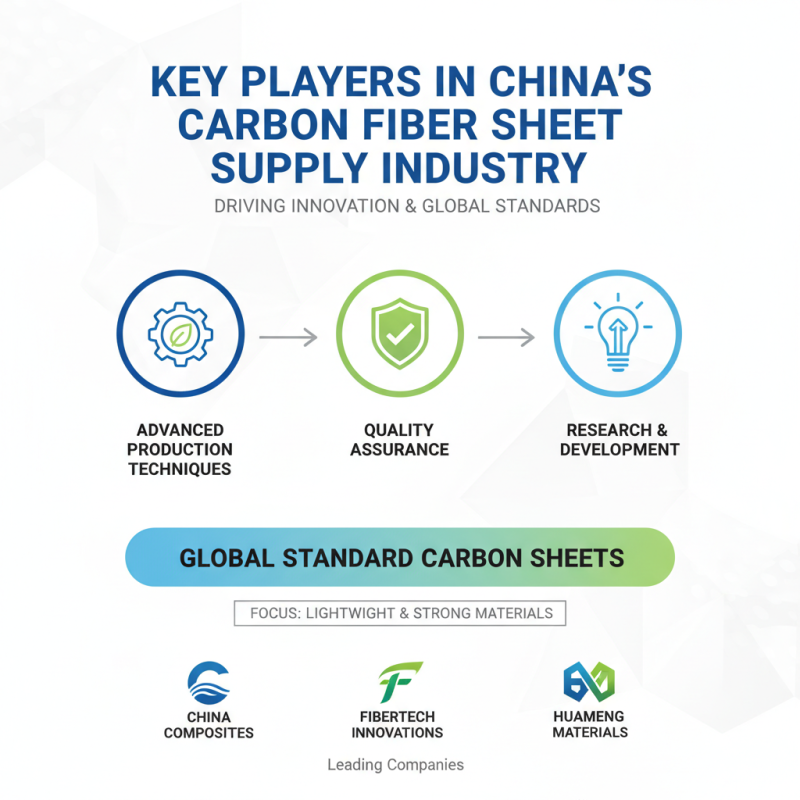
China's carbon fiber sheet supply industry is rapidly evolving. The demand for lightweight and strong materials has attracted several key players. These companies focus on advanced production techniques and quality assurance. This ensures that carbon sheets meet global standards. Their expertise is evident in research and development, driving innovation in the market.
Many suppliers source raw materials locally, which boosts sustainability. However, sourcing challenges exist. Fluctuating prices and availability can impact production. Knowledge of market trends is critical for suppliers to adapt. Some companies struggle with consistency in quality, which can hinder growth. Despite these challenges, many firms succeed through strategic partnerships and investments in technology. Building reliable relationships is essential for long-term success.
Industry events and trade shows provide platforms for collaboration. Suppliers showcase their innovations and share insights. However, navigating the complexities of global supply chains remains a challenge. Companies often need to refine their approaches to meet diverse customer needs. The landscape will continue evolving as challenges and opportunities emerge.
Technological Innovations in Carbon Fiber Sheet Production
Recent advances in carbon fiber sheet production have reshaped the industry landscape. Innovative techniques are emerging, driving efficiency and product quality. One pivotal advancement involves automation in manufacturing processes. This not only speeds up production but also enhances consistency. Automation minimizes human error, ensuring higher precision in every sheet produced.
Another key area of innovation is the development of new resin systems. These advanced resins offer improved strength and thermal resistance. They allow manufacturers to push the limits of carbon fiber’s performance. However, these innovations require significant investment in research and development.
Sustainability is also becoming a focal point. Eco-friendly materials are being explored. Producing carbon fiber with less waste is essential. This shift towards greener practices brings challenges. Companies must balance performance with environmental responsibility. As the industry evolves, it faces both opportunities and hurdles. The path ahead is filled with potential, yet it demands careful navigation.
Quality Standards and Certifications for Carbon Fiber Sheets
In recent years, the demand for high-quality carbon fiber sheets has skyrocketed globally. Industry reports indicate that the carbon fiber market is expected to reach $36 billion by 2026, driven by the aerospace and automotive sectors. Buyers often prioritize quality standards and certifications when sourcing from China. Understanding these certifications helps ensure that the materials meet international safety and strength requirements.
ISO and ASTM are two key standards in this field. The ISO 9001 certification ensures a company's quality management system is robust. This demonstrates reliability to international buyers. Additionally, ASTM D7260 focuses on the performance of carbon fiber reinforced polymer composites. Many suppliers, however, may not fully comply with these stringent standards. Some might claim certifications that they do not possess, leaving buyers vulnerable to inferior products.
Furthermore, buyers should be aware of potential inconsistencies in quality. While some suppliers may have impressive certificates, translating these to product performance can be challenging. It is crucial for buyers to conduct thorough research and potentially invest in third-party testing. Without proper due diligence, selecting a supplier could lead to repercussions in their own production methods. The complexities of ensuring quality highlight the ongoing need for open communication and transparency in the carbon fiber supply chain.
China Top Carbon Fiber Sheet Suppliers for Global Buyers
| Supplier Location |
Production Capacity (tons/year) |
Quality Certifications |
Specialization |
Export Markets |
| Shandong, China |
5000 |
ISO 9001, ISO 14001 |
Aerospace, Automotive |
North America, Europe |
| Guangdong, China |
3000 |
ASTM, JIS |
Sporting Goods, Electronics |
Asia, Australia |
| Zhejiang, China |
4000 |
ISO 9001, AS9100 |
Medical, Automotive |
Europe, South America |
| Jiangsu, China |
6000 |
ISO 14001, OHSAS 18001 |
Industrial, Construction |
North America, Asia |
Global Trends Influencing Carbon Fiber Sheet Demand from China
The global demand for carbon fiber sheets is experiencing rapid growth, largely influenced by various trends. First, the aerospace and automotive industries are leading this surge. According to a recent report by Research and Markets, the carbon fiber market is expected to reach USD 6 billion by 2025. This reflects a compound annual growth rate of over 10%. Demand for lightweight materials in these sectors drives innovation and production.
Additionally, rising environmental awareness is a significant factor. Industries are increasingly pursuing sustainable materials for manufacturing. Carbon fiber sheets, known for their strength and lightweight properties, align with this shift. A study from the International Carbon Fiber Association indicates that the green building sector is adopting carbon fiber solutions, pushing manufacturers to meet this demand.
Tip: When sourcing carbon fiber sheets, always assess suppliers for @quality and compliance certifications. Look for materials tested against industry standards to ensure reliability.
Moreover, fluctuations in global supply chains create challenges. Import tariffs and production delays can impact availability. Buyers must stay informed about
geopolitical factors influencing trade. Adapting to these changes can prove necessary for securing a consistent supply of carbon fiber sheets.
Tip: Diversifying supplier networks can mitigate risks associated with supply chain disruptions. This strategy ensures access to quality materials even during turbulent times.