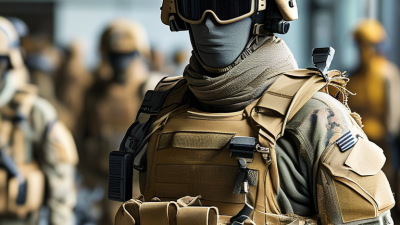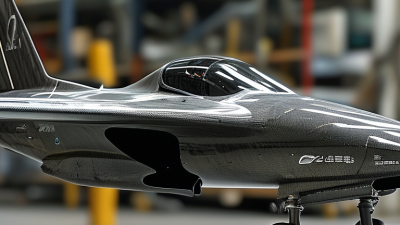
Uhmwpe Fiber Fabric has revolutionized textile applications with its unique properties. As a high-performance material, it boasts incredible strength and durability. According to a recent market report, the global demand for Uhmwpe fibers is projected to grow at a CAGR of over 10% from 2021 to 2028. This surge is fueled by advances in manufacturing and increased awareness of its benefits in various sectors.
Applications of Uhmwpe Fiber Fabric span diverse industries, including aerospace, defense, and sports. Its lightweight nature and resistance to abrasion make it ideal for ballistic armor and protective gear. However, challenges in production consistency and cost-effectiveness pose risks in widespread adoption. The material's potential can only be realized through continuous research and development.
The reliability of Uhmwpe Fiber Fabric stems from its molecular structure, which provides exceptional tensile strength. Industry experts emphasize the need for quality assurance in production processes. This will ensure that users maximize its capabilities while addressing concerns regarding its long-term performance in harsh environments. Understanding both advantages and limitations is crucial for stakeholders in the field.
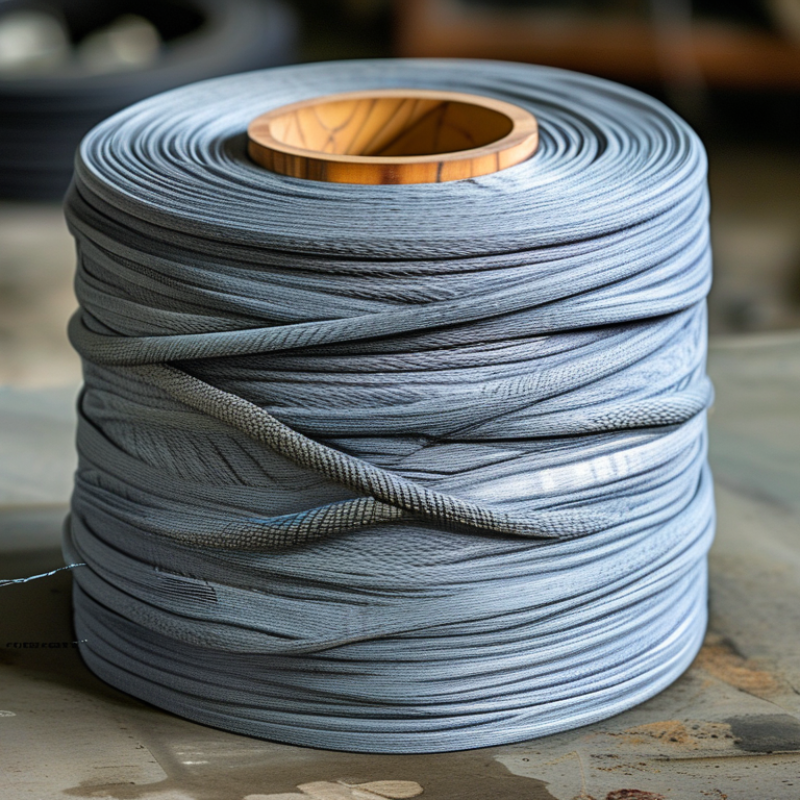
UHMWPE (Ultra High Molecular Weight Polyethylene) fiber fabric stands out due to its exceptional properties. It’s known for high strength, low weight, and excellent resistance to abrasion. This makes it an ideal choice for various applications. Its molecular structure offers enhanced durability, outpacing many traditional materials in toughness.
The fibers are not only lightweight but also have low moisture absorption. This property makes UHMWPE resistant to degradation from environmental factors. The fabric is also known for its resistance to chemicals, which adds to its versatility in diverse industries. However, manufacturing processes can sometimes fall short, leading to inconsistencies in quality. Additionally, while it provides excellent protection, the fabric's cost can be a factor, prompting some users to consider alternatives.
Innovative applications are emerging rapidly. From military gear to medical devices, UHMWPE fiber fabric demonstrates its adaptability. Nonetheless, challenges remain in optimizing its use. Understanding these fibers requires a balance of their benefits and limitations. Continuing research will help overcome current hurdles, ensuring that UHMWPE meets the growing demands of various fields.
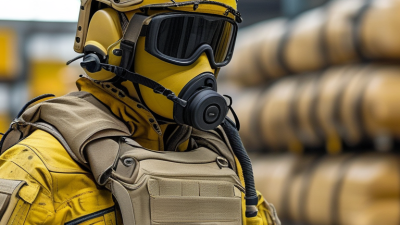
Uhmwpe fiber fabric has gained recognition in personal protective equipment (PPE) applications. Its exceptional strength and durability make it an ideal choice for gear required in hazardous environments. Uhmwpe fabric is lightweight yet offers significant protection against cuts and abrasions. Various industries, including healthcare and construction, benefit from this innovative material.
In healthcare settings, Uhmwpe is used in protective clothing and gloves. These items provide essential barriers against contamination. The lightweight nature ensures that wearers remain comfortable during extended use. However, not all Uhmwpe PPE performs equally in different situations. Testing and standards vary greatly. Users must be cautious about selecting the right products for their specific needs.
In construction, Uhmwpe fibers are incorporated into safety vests and helmets. They offer workers excellent resistance to impacts and punctures. While this fabric excels in durability, some products may not cater to high-temperature conditions effectively. This poses a risk in environments with extreme heat. Therefore, users should continually evaluate their protective gear's performance and suitability.
Ultrahigh molecular weight polyethylene (UHMWPE) fiber fabric has made significant inroads in the aerospace and automotive industries. According to a report by Research and Markets, the global UHMWPE market is expected to grow at a CAGR of over 10% from 2021 to 2026. Its lightweight nature contributes to fuel efficiency in automotive applications, a critical factor as manufacturers strive to meet stringent emissions regulations.
In aerospace, the fabric's exceptional tensile strength and resistance to abrasion make it a preferred choice for various components, from aircraft interiors to protective gear for crew members. The Federal Aviation Administration (FAA) emphasizes the need for materials that enhance safety without adding excessive weight. A well-documented case indicated that substituting traditional materials with UHMWPE can reduce overall weight by up to 30%, resulting in lower operational costs. However, these benefits come with challenges, such as the fabric's susceptibility to UV degradation over time.
Automotive engineers are also exploring the potential of UHMWPE in crash-relevant components. While initial tests show promising results in energy absorption, further understanding of long-term durability is necessary. As manufacturers push for more sustainable solutions, ongoing research is vital. The integration of UHMWPE must nonetheless be weighed against factors such as production costs and environmental impact.
UHMWPE fiber fabric is revolutionizing sports equipment today. Its unique properties enhance the performance of various gear, making it a popular choice among athletes. This lightweight and high-strength material offers excellent abrasion resistance and low friction. Athletes can benefit from improved durability in their equipment, allowing them to focus solely on their performance.
The use of UHMWPE in sports gear enhances safety as well. For example, in protective gear like shin guards and padding, it provides significant impact resistance. This protects athletes from injuries during intense training or competitions. The fabric’s ability to withstand harsh conditions means that equipment lasts longer and performs consistently.
For athletes looking to maximize performance, consider these aspects. Evaluate your current equipment; replacing older materials with UHMWPE could make a difference. Longevity is critical, but so is comfort. Experiment with different designs and fits that incorporate UHMWPE, as a good fit improves overall performance. Don't ignore the importance of choosing the right gear based on specific sports demands.
| Application | Description | Benefits | Typical Use Cases |
|---|---|---|---|
| Body Armor | Used in bulletproof vests for its high strength-to-weight ratio. | Lightweight and flexible protection. | Military, law enforcement. |
| Sportswear | High-performance clothing that combines flexibility with strength. | Enhanced durability and comfort. | Athletics, cycling, and outdoor activities. |
| Ropes and Lines | Used in climbing and sailing for its extreme tensile strength. | Low stretch and high durability. | Climbing gear, marine applications. |
| Protective Gear | Components in helmets, gloves, and padding. | High-impact resistance while maintaining lightness. | Contact sports, industrial work. |
| Ballet Tights | Provides a second-skin feel while offering durability. | Flexible and moisture-wicking properties. | Dance performances. |
| Fishing Lines | Utilized in fishing for its strength and invisibility in water. | Increased catch rates due to strength and stealth. | Recreational and professional fishing. |
| Ballistic Blankets | Used to protect against shrapnel and bullet impacts. | Portability and effectiveness in protection. | Military, law enforcement. |
| Athletic Footwear | Components in shoes for stability and performance. | Enhanced support and reduced weight. | Running, basketball. |
| Sport Nets | Used in various sports for goals and boundaries. | Durable and resistant to weather elements. | Soccer, tennis, badminton. |
UHMWPE fiber fabric is making significant strides in medical applications. Its exceptional strength and biocompatibility make it ideal for various devices. From sutures to prosthetic components, this material is changing lives daily. The fibers are incredibly durable, allowing for minimal wear during use. They resist degradation, ensuring longevity in medical settings.
In surgical applications, UHMWPE fibers are often used in sutures. These sutures are strong and flexible. They minimize tissue damage, aiding in faster recovery. Additionally, the fabric can be engineered to incorporate antimicrobial properties. This feature further enhances patient safety, reducing infection rates.
When considering UHMWPE for medical devices, it's crucial to examine its properties closely. Not all fibers perform equally in biocompatible solutions. Testing is essential to ensure compatibility with human tissue. Not all applications yield the desired results, so continuous refinement is necessary. Always consult with experts during the design process. This will help avoid potential pitfalls related to material selection.
This chart illustrates the top applications of UHMWPE fiber fabric in various medical devices and biocompatible solutions based on their usage frequency.