Top Tips for Sourcing Carbon Fiber Webbing Efficiently?
In the competitive landscape of manufacturing, sourcing Carbon Fiber Webbing efficiently is crucial. According to Dr. Emily Harper, a leading expert in advanced materials, “The right sourcing strategy can drastically reduce costs while maintaining quality.” Her insight sheds light on the intricacies of this specialized field.
Finding the best Carbon Fiber Webbing requires a detailed approach. Quality varies significantly between suppliers, and minor choices can lead to major differences in product performance. Consider the factors like tensile strength and compatibility with various applications. It's important to establish relationships with reliable sources to ensure consistency.
However, many companies overlook the importance of thorough vetting. Skipping this step may lead to future setbacks. Therefore, proactive research is vital. Assessing potential suppliers can prevent costly mistakes. By valuing quality and reliability, manufacturers can unlock the full potential of Carbon Fiber Webbing in their products.
Understanding Carbon Fiber Webbing and Its Applications
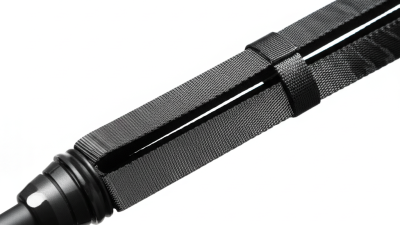
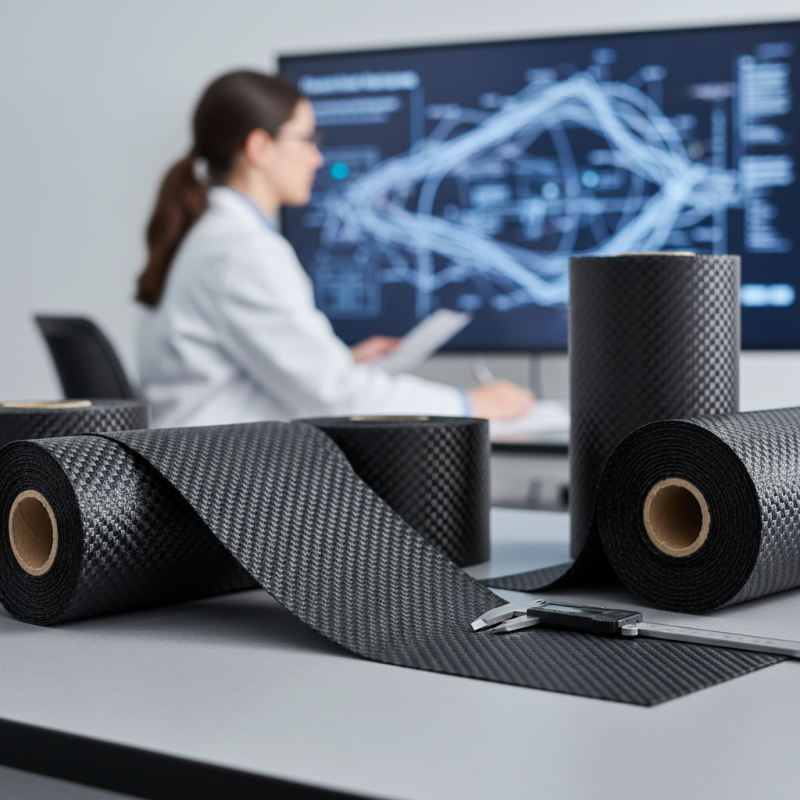
Carbon fiber webbing is an advanced material known for its strength and lightweight properties. Used in various applications, from aerospace to sports equipment, it offers impressive benefits. The combination of flexibility and durability makes it ideal for specialized uses. Understanding these applications can enhance your sourcing strategy.
When sourcing carbon fiber webbing, consider its intended use. Different applications may require varying levels of strength and design specifications. Evaluate your needs carefully. Using advanced sourcing strategies can save time and resources. Reach out to multiple suppliers to compare quality and price. Experience plays a key role in finding the best deal.
Maintaining quality throughout the sourcing process is crucial. Since carbon fiber can differ significantly between manufacturers, thorough inspection is necessary. Establishing connections with trusted suppliers can also reduce risks. Your network influences the quality you receive. Take the time to research and reflect on your sourcing approach, ensuring it aligns with your project goals.
Identifying Reliable Suppliers for Carbon Fiber Materials
When sourcing carbon fiber webbing, finding reliable suppliers is crucial. A dependable supplier ensures quality, consistency, and support throughout your project. Begin with thorough research. Look for suppliers with a strong online presence and positive customer feedback. A well-established company often indicates reliability.
Connect with industry professionals for recommendations. Networking can lead you to trusted sources. Attend trade shows or join forums that focus on carbon fiber materials. Engage with members and ask about their experiences with suppliers. Pay attention to any red flags in suppliers’ histories. Past issues can inform your decision.
Be clear about your quality requirements. Transparent communication with suppliers is essential. Discuss specifications and ask for samples before committing to large orders. This process allows you to gauge their expertise and the product's quality. Remember, the right supplier can impact your project significantly, making careful selection vital.
Evaluating Quality Standards for Carbon Fiber Webbing
When evaluating quality standards for carbon fiber webbing, it's essential to consider the material's tensile strength. This determines how much weight the webbing can support without breaking. High-quality carbon fiber should exhibit excellent resistance to stretching and deformation under stress. Often, testing methods like ASTM standards can help assess these properties.
Another critical factor is the weave pattern of the webbing. Different weaves can affect the durability and flexibility of the material. For instance, a tighter weave may enhance strength but could compromise flexibility. Balancing these characteristics requires a keen understanding of specific applications. Reflecting on past projects may reveal whether a different weave could have performed better.
Lastly, manufacturing processes play a significant role in the quality of carbon fiber webbing. Variability in production can lead to inconsistencies. It’s crucial to ask about the manufacturing protocols and quality assurance measures in place. Consider conducting small-scale tests before fully committing. This iterative process may not lead to instant perfection, but it fosters improvement.
Top Tips for Sourcing Carbon Fiber Webbing Efficiently
Comparing Cost-Effectiveness in Carbon Fiber Sourcing
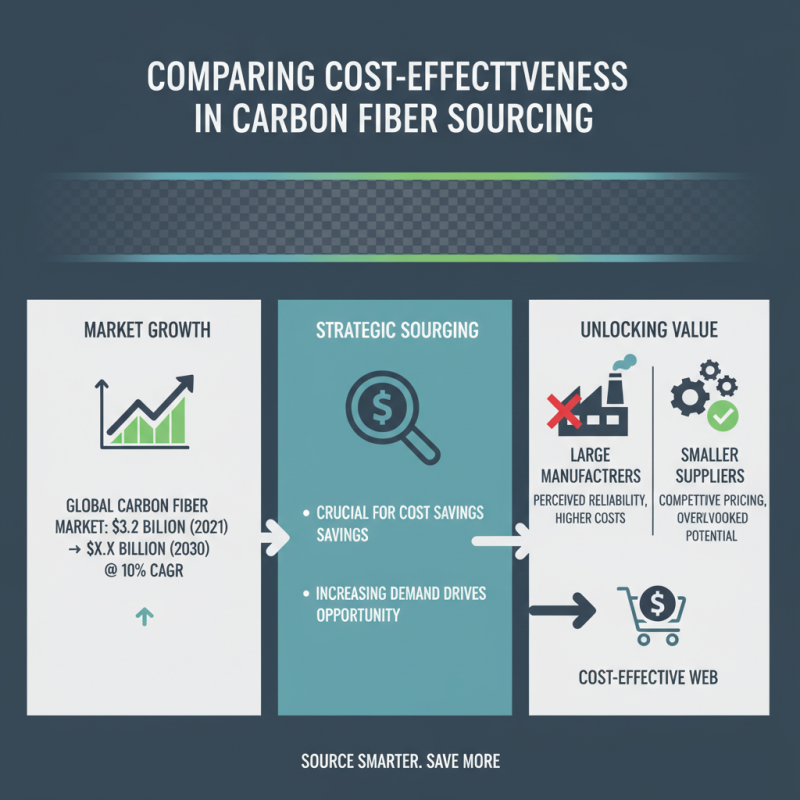
When sourcing carbon fiber webbing, analyzing cost-effectiveness is crucial. The global carbon fiber market was valued at approximately $3.2 billion in 2021, with projections to grow at a CAGR of 10% by 2030. This data highlights the increasing demand and potential for cost savings through strategic sourcing. However, many organizations overlook smaller suppliers who may offer competitive pricing compared to larger manufacturers.
A key factor in sourcing is understanding the supply chain structure. Industry reports indicate that raw material costs contribute to 30-40% of the overall price of carbon fiber products. Sourcing directly from manufacturers can reduce these costs significantly. However, the reliability of these suppliers is paramount. Ensure they adhere to quality standards and have a proven track record.
Additionally, it's essential to evaluate long-term partnerships instead of one-off purchases. A study from the Advanced Textile Materials Association emphasizes the importance of establishing relationships with suppliers to negotiate better terms. Flexibility in order sizes and delivery times can lead to savings and improved product quality. Without this reflection on sourcing practices, companies may incur higher costs and face supply chain disruptions.
Best Practices for Negotiating with Carbon Fiber Suppliers
When negotiating with carbon fiber suppliers, setting clear expectations is crucial. Understand your project requirements in advance. Familiarize yourself with the specifications of carbon fiber products. This knowledge empowers you during discussions, enhancing credibility with suppliers.
One effective tip is to ask for samples before committing. Evaluate the quality and performance of the materials firsthand. Make sure the samples align with your project’s needs. Don't hesitate to request adjustments based on your findings. This iterative process fosters a collaborative relationship and reflects your commitment.
Building rapport with suppliers can also lead to better deals. Engage in open dialogue to understand their capabilities. Recognize their expertise and share feedback constructively. This mutual respect can lead to flexible pricing and enhanced service. Remember, successful negotiation is a journey, not a one-time event. Be open to revisiting terms as your project evolves.