Top Forged Carbon Sheet Trends at 2026 Canton Fair?
As the world prepares for the 2026 Canton Fair, the "Forged Carbon Sheet" industry stands at a pivotal moment. Dr. Emily Hart, a leading expert in advanced materials, remarked, "Forged Carbon Sheets represent a significant evolution in lightweight composite materials." This statement underscores the growing interest in innovative solutions that meet modern manufacturing needs.
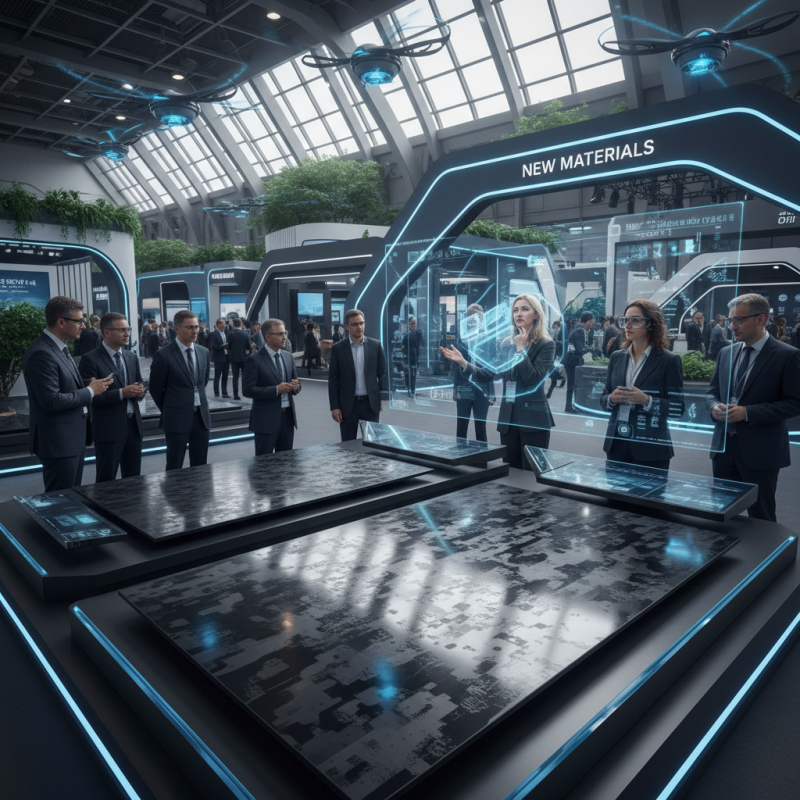
The 139th Canton Fair will focus on advanced manufacturing and new materials. Forged Carbon Sheets will likely capture the attention of many attendees. They offer remarkable strength and durability, appealing to industries from aerospace to automotive. However, there are challenges. Supply chain issues and production costs often hinder broader adoption.
As AI technology enhances the fair experience, sourcing these materials becomes more efficient. Buyers can find certified suppliers quickly. Nevertheless, the true test lies in expanding the market for Forged Carbon Sheets. This requires introspection and collaboration within the industry to address current limitations. The future of Forged Carbon Sheets at the fair will certainly spark conversations and ideas.
Emerging Technologies in Forged Carbon Sheets
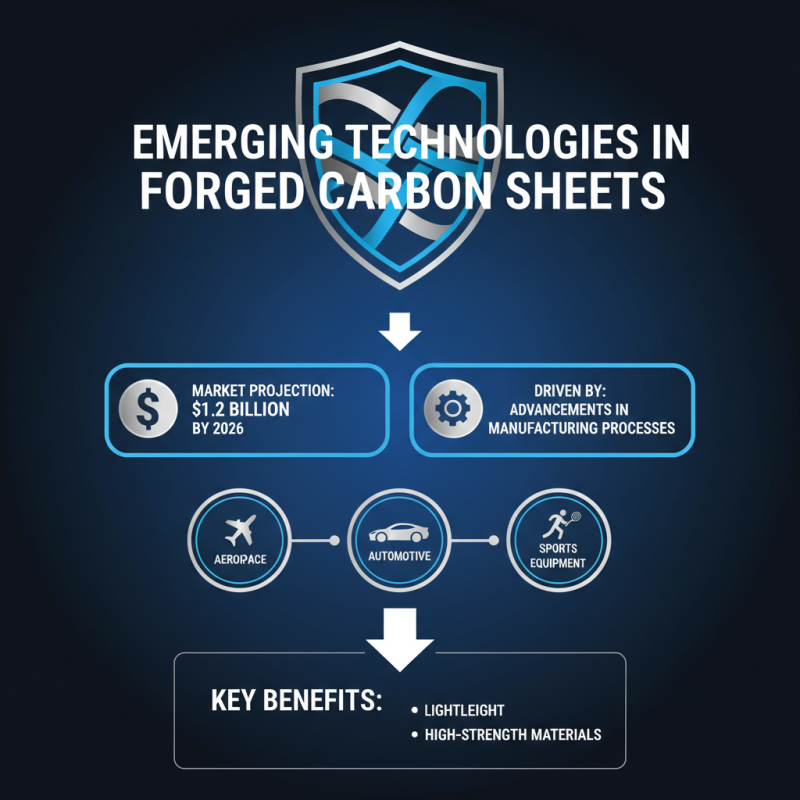
Emerging technologies in forged carbon sheets are reshaping various industries. According to a recent market report, the global forged carbon market is projected to reach $1.2 billion by 2026, driven by advancements in manufacturing processes. This growth is fueled by the demand for lightweight and high-strength materials across aerospace, automotive, and sports equipment sectors.
Innovations such as additive manufacturing and advanced composite techniques are gaining traction. For instance, these methods allow for geometric complexity that traditional forging cannot achieve. The tooling costs are often lower too, which improves overall production efficiency. However, these technologies also pose challenges. Quality control remains a significant concern, as inconsistencies in material properties can lead to performance issues.
Another trend is the integration of smart materials into forged carbon sheets. Researchers are exploring the combination of sensors and forged carbon to create self-monitoring structures. This can enhance safety and reliability in applications like aerospace. Yet, the industry faces hurdles in scalability. Not all innovations have proven viable for mass production, limiting broader adoption. Future developments will need to address these gaps to ensure sustainable growth and reliability in the forged carbon market.
Applications of Forged Carbon Sheets Across Industries
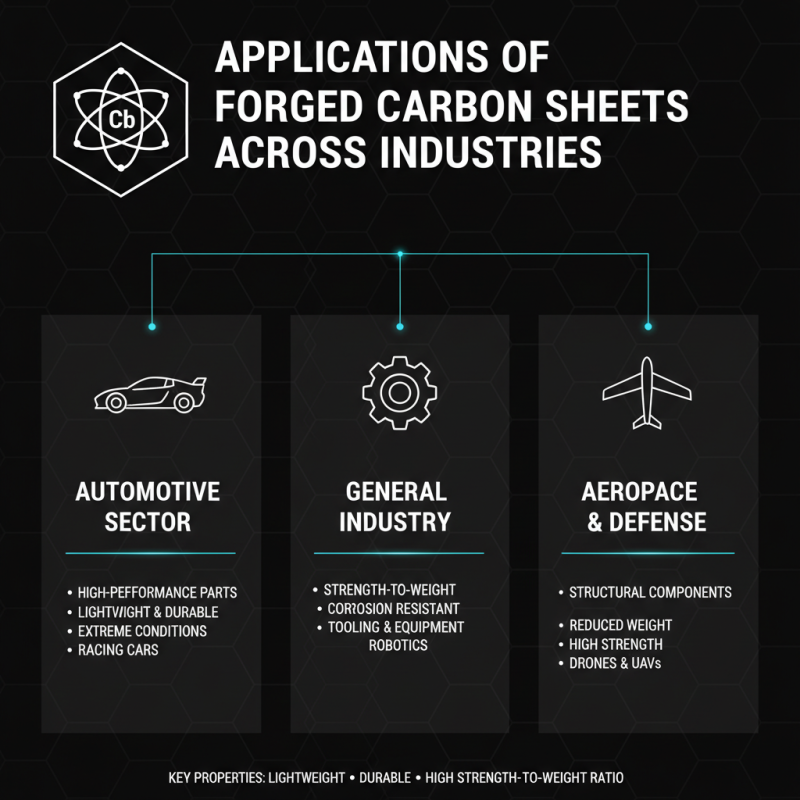
Forged carbon sheets are gaining popularity in various industries due to their unique properties. These sheets are lightweight and durable. They offer excellent strength-to-weight ratios. In the automotive sector, forged carbon sheets are increasingly used for high-performance parts. Their ability to withstand extreme conditions makes them ideal for racing cars.
In the aerospace industry, the demand for forged carbon sheets is also rising. These materials reduce overall aircraft weight, improving fuel efficiency. They are used in components like wing structures and fuselage panels. Moreover, sections of spaceships benefit from the heat resistance offered by forged carbon sheets.
However, the adoption of these materials is not without challenges. Manufacturing processes can be complex and costly. Ensuring consistent quality remains a significant issue for many producers. Some companies may struggle to find the right techniques for their specific applications. Yet, the potential benefits in performance and efficiency keep industries exploring new possibilities with forged carbon sheets.
Sustainable Practices in Forged Carbon Sheet Manufacturing
Sustainable practices in forged carbon sheet manufacturing are gaining traction. Reports indicate that the market for forged carbon materials is expected to grow significantly, projected to reach $2 billion by 2026. This shift is partly driven by increasing environmental awareness among consumers and manufacturers.
Recycling carbon materials is one effective strategy. Research shows that over 30% of used carbon fiber can be repurposed in new products. However, many companies struggle with implementing recycling systems. Limited awareness and high costs present major hurdles. Meanwhile, innovative approaches in production methods are emerging, such as using eco-friendly resins.
Additionally, reducing energy consumption in manufacturing is crucial. Some factories are adopting renewable energy sources, yet many still rely on traditional energy. According to studies, up to 40% of a product's carbon footprint often comes from energy use during production. This discrepancy shows the urgent need for the industry to reevaluate its energy sources and practices. Manufacturers must balance profitability with sustainability, focusing on practices that not only meet market demand but also support global environmental goals.
Market Trends Influencing Forged Carbon Sheet Designs
The landscape of forged carbon sheets is evolving rapidly. At the 2026 Canton Fair, these changes will be visible. Trends are influenced by advancements in technology and customer demands. Manufacturers are focusing on sustainability. Eco-friendly materials are becoming a priority. This shift reflects broader environmental concerns.
Designs are also adapting. Modern styles emphasize minimalism and functionality. Consumers prefer sleek finishes that enhance aesthetics. The demand for unique textures is rising. Businesses are experimenting with patterns and colors. This creates opportunities for innovation, but it can also lead to confusion in the market.
Tips: Explore various textures in designs. Bold patterns can attract attention. Remember, striking the right balance is crucial. Experimentation is necessary but can be risky. Analysing past designs may reveal what works.
Consumer preferences trend towards customization. Personalized products in forged carbon sheets are on the rise. This can foster customer loyalty, yet it poses challenges. Meeting diverse needs can stretch manufacturing capabilities. Reflection on these aspects will be essential for businesses seeking success.
Innovations Showcased at the 2026 Canton Fair
The 2026 Canton Fair is set to unveil groundbreaking innovations in forged carbon sheet technology. This material is gaining traction due to its unique properties. Industry reports indicate that the demand for forged carbon sheets is projected to grow by 15% annually through 2028. This growth highlights the importance of advancements in production techniques.
Exhibitors are focusing on sustainable production methods. Some companies are showcasing eco-friendly processes that minimize waste. Others are exploring the integration of advanced composites into forged carbon sheets. These innovations could enhance performance and reduce costs significantly. Data from market research suggests that adopting greener practices could lower manufacturing costs by 20%.
Despite these advancements, challenges remain. Not all manufacturers have access to the latest technology. This can slow down innovation across the industry. Furthermore, the need for skilled labor is crucial. Without well-trained workers, the benefits of new technologies may not be fully realized. Continued investment in workforce training will be essential for the industry's future success.
Top Forged Carbon Sheet Trends at 2026 Canton Fair
In the 2026 Canton Fair, several innovative trends in forged carbon sheet technology were showcased. The following chart illustrates the key trends based on industry interest and demand projection.