How to Use Flexible Carbon Fiber Sheets in Your Projects?
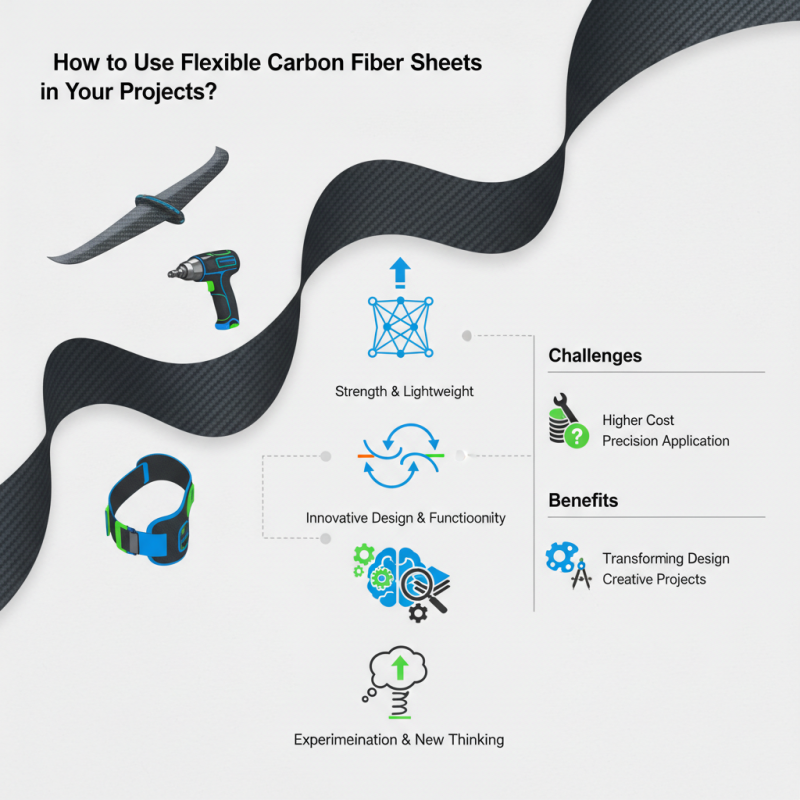
In recent years, the use of Flexible Carbon Fiber Sheets has gained traction in various industries. Experts highlight their versatility. Dr. Emily Clarke, a leading specialist in composite materials, states, "Flexible Carbon Fiber Sheets are transforming how we approach design and functionality." This innovative material offers strength while being lightweight, making it ideal for numerous applications.
The unique properties of Flexible Carbon Fiber Sheets allow for creative projects. They can be curved, shaped, and applied in ways traditional materials cannot match. However, some challenges exist. The cost can be higher compared to standard materials, posing a barrier for small projects. Additionally, the application process requires precision and care.
It’s clear that while the benefits are significant, users must understand their limitations. Experimenting with these sheets can lead to unexpected results. Flexibility is not just a property; it's a way to think. Designers and engineers should reflect on their methods when integrating Flexible Carbon Fiber Sheets into their work.
Overview of Flexible Carbon Fiber Sheets and Their Applications
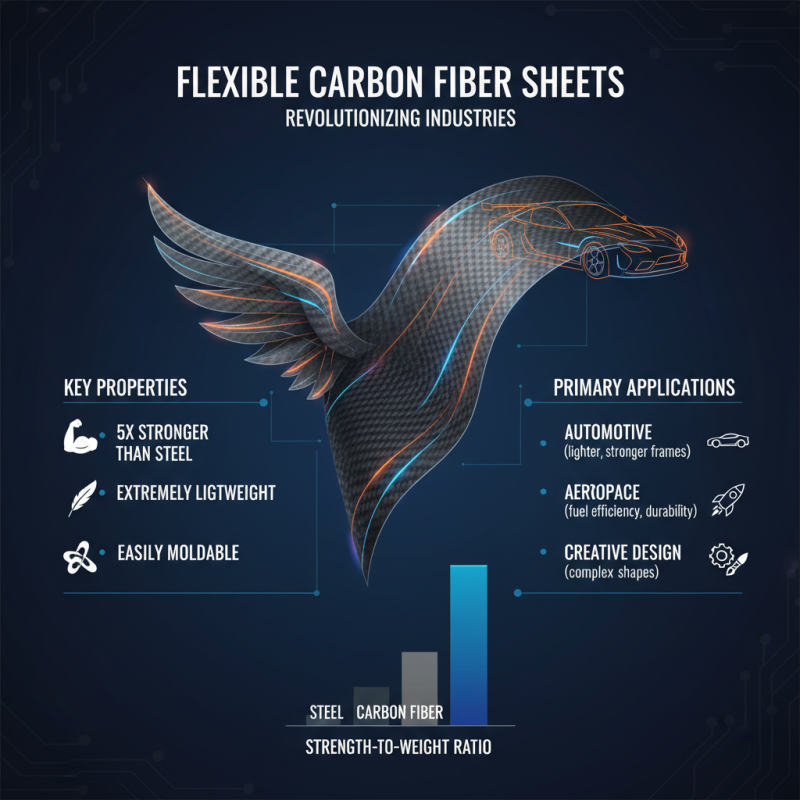
Flexible carbon fiber sheets are becoming increasingly popular in various projects. They are lightweight, strong, and versatile, making them ideal for many applications. These sheets can be used in automotive, aerospace, and even sporting products. Their durability and ability to withstand stress make them a preferred choice for many designers.
Tips for working with these sheets: Always keep safety in mind when cutting carbon fiber. The dust can be harmful. Use proper ventilation, a mask, and goggles. Ensure you have the right tools; they can affect the edges of the sheets. A fine-toothed saw is often best for clean cuts.
When incorporating flexible carbon fiber sheets, consider the project's design closely. Think about how the flexibility of these sheets can enhance functionality. The challenge may lie in bonding them, as not all adhesives work perfectly. You may need to experiment to find the best fit for your project. Testing small samples can save time and frustration later.
Benefits of Using Flexible Carbon Fiber Sheets in Various Projects
Flexible carbon fiber sheets are rapidly gaining popularity across various industries. Their strength-to-weight ratio is remarkable. According to industry reports, these sheets are five times stronger than steel while being much lighter. This property makes them ideal for applications in automotive and aerospace sectors. The ability to mold and shape them easily also opens up a world of creative design possibilities.
Using flexible carbon fiber sheets can significantly enhance project durability. For instance, in prototyping, engineers find that these sheets maintain structural integrity under stress. They withstand extreme temperatures too. However, some users face challenges with proper adhesion to different surfaces. This issue can lead to misaligned projects and wasted materials.
The aesthetic appeal of carbon fiber is another advantage. Their sleek, modern appearance attracts attention and is often associated with high performance. Yet, the cost can be a barrier for many small businesses. Investing in this material should be carefully considered. Balancing budget constraints with the desired outcome is crucial for success.
Step-by-Step Guide to Cutting and Shaping Carbon Fiber Sheets
Cutting and shaping flexible carbon fiber sheets can be a rewarding challenge. Begin by gathering essential tools. You'll need a utility knife or a rotary cutter. A cutting mat helps protect your work surface. Safety goggles and a dust mask should also be on hand for protection. The dust generated can be irritating, so don’t skip these steps.
When cutting, measure your desired shape carefully. Use a ruler or straight edge to guide your knife. Make sure to apply steady pressure while cutting. If your lines are not perfectly straight, don't worry. Carbon fiber is forgiving, and minor imperfections can often be sanded down later. After cutting, you may want to refine the edges. Use fine-grit sandpaper for this. It will help achieve a smoother finish but might take some practice to master.
Shaping carbon fiber sheets can be tricky. Heating the material slightly can increase flexibility. A heat gun works well for this purpose. However, be cautious. Too much heat can weaken the sheet. Testing on a scrap piece first is a good idea. Always reflect on your techniques and learn from any missteps. Each project provides an opportunity for improvement, no matter how small. Embrace each challenge as part of the creative process.
Usage of Flexible Carbon Fiber Sheets in Various Projects
Techniques for Bonding and Finishing Carbon Fiber Sheets
When working with flexible carbon fiber sheets, bonding techniques play a crucial role. Common adhesives include epoxy and cyanoacrylate. Each adhesive has its own set of strengths and weaknesses. For example, epoxy provides a strong bond but requires more curing time. Cyanoacrylate cures quickly but may not hold under significant stress.
Preparation is key. Ensure the surfaces are clean and free from dust or grease. A light sanding can enhance adhesion. Applying the adhesive evenly can also prevent weak spots in the bond. Sometimes, despite preparing correctly, the outcome isn't ideal. It’s essential to recognize when a bond is not holding as expected.
Finishing can be just as challenging. Trimming the edges of carbon fiber sheets needs precision. Using a fine saw or sharp utility knife can help achieve cleaner cuts. Sanding these edges can lead to a professional finish, but over-sanding might compromise the structure. People often overlook the importance of this step. Each project comes with its unique challenges, and adjusting techniques can lead to better results.
How to Use Flexible Carbon Fiber Sheets in Your Projects? - Techniques for Bonding and Finishing Carbon Fiber Sheets
| Technique |
Description |
Materials Needed |
Application Areas |
Finishing Tips |
| Epoxy Bonding |
Combining carbon fiber sheets with epoxy for strong bonding. |
Epoxy resin, hardener, mixing tools. |
Aerospace, automotive, sporting goods. |
Sand edges before applying for better adhesion. |
| Heat Bonding |
Using heat to bond two flexible sheets together. |
Heat source, protective gloves. |
Custom parts, prototypes, repairs. |
Ensure even heat distribution to avoid damage. |
| Mechanical Fastening |
Using screws or rivets to secure carbon fiber sheets. |
Screws, rivets, drill, and drill bits. |
Frames, mounts, and brackets. |
Pre-drill wash holes to prevent cracking. |
| Clear Coating |
Applying a protective clear coat for finishing. |
Clear coat, spray equipment, sanding paper. |
Cosmetic applications, automotive finishes. |
Sand lightly between coats for a smoother finish. |
Safety Precautions When Working with Carbon Fiber Materials
When using flexible carbon fiber sheets, safety should be a priority.
These materials can cause irritation to the skin and lungs. It is crucial to work in a
well-ventilated area. Wearing a mask can help filter out harmful particles.
Additionally, gloves protect your hands from sharp edges.
Here are some tips to keep in mind:
- Always use protective eyewear to shield your eyes from dust.
- If sanding or cutting, do it slowly to avoid excess dust.
- A vacuum can help keep the workspace clean.
- Dispose of waste properly; avoid littering.
Be mindful of how the sheets are cut.
Uneven edges can create weak spots in your project. Take your time to measure accurately.
Mistakes can lead to accidents.
Reflect on your methods often, ensuring motivation remains high while working safely.