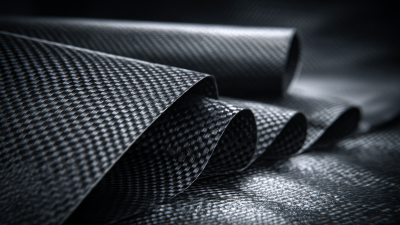
Discover Flexible Carbon Fiber Sheets at the 139th Canton Fair?
At the 139th Canton Fair, the spotlight is on "Flexible Carbon Fiber Sheets," revolutionizing various industries. Leading expert Dr. Jane Smith, a renowned materials scientist, emphasizes their potential: “Flexible Carbon Fiber Sheets can reshape product designs while enhancing performance.” This statement reflects the growing interest in advanced materials.
The Canton Fair is a global hub for innovation. From April 15 to May 5, 2026, exhibitors will showcase cutting-edge technologies. The introduction of AI-driven search and navigation will help buyers locate specific products efficiently. Flexible Carbon Fiber Sheets are set to attract significant attention.
Innovations often come with challenges. While the benefits are clear, understanding practical applications is crucial. Buyers may struggle to source high-quality sheets that meet certifications like ISO and CE. This fair presents an opportunity to connect with reliable suppliers. In the end, navigating the world of Flexible Carbon Fiber Sheets requires diligence and insight.
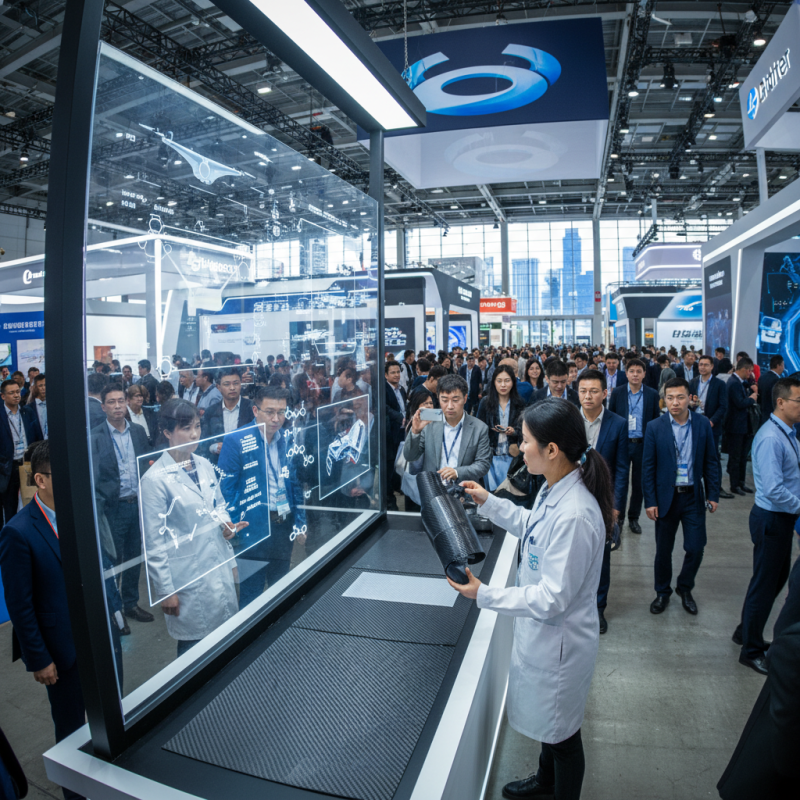
The Evolution of Carbon Fiber Materials in the Last Decade
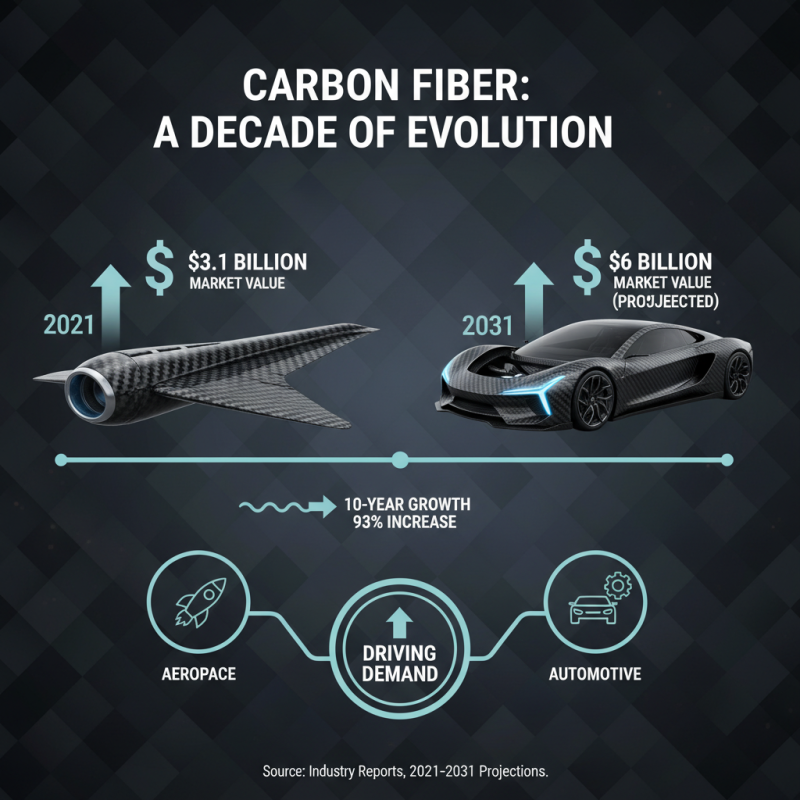
In the last decade, carbon fiber materials have seen remarkable advancements. The global carbon fiber market was valued at approximately $3.1 billion in 2021. This figure is expected to reach around $6 billion by 2031. This growth reflects the rising demand across various sectors, particularly in aerospace and automotive industries.
Carbon fiber sheets have become more flexible and adaptable. This evolution directly impacts design possibilities. For instance, manufacturers are focusing on thinner, lighter products while maintaining strength. Recent reports indicate a dramatic increase in composite material applications, yet challenges remain. Not every creation meets the desired performance standards.
Environmental considerations also play a significant role. Recycling carbon fiber remains a complex challenge. As the material gains popularity, sustainable practices must catch up. Future innovations may focus on biodegradable options or more efficient recycling processes. Addressing these issues is crucial for a balanced industry growth.
Applications of Carbon Fiber Sheets in Various Industries
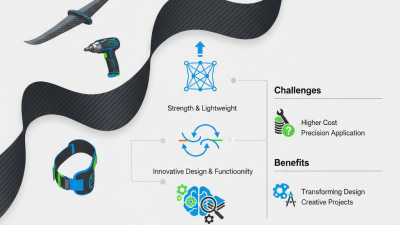
Carbon fiber sheets offer incredible versatility across various industries. Their lightweight nature and high strength make them perfect for automotive applications. Manufacturers use these sheets to create durable components that can withstand harsh conditions. In aerospace, carbon fiber sheets reduce weight, enhancing fuel efficiency.
In electronics, these sheets serve as effective structural materials. They shield sensitive components from electromagnetic interference. This improves device performance and longevity. The use of carbon fiber in sporting goods is also noteworthy. Products like bicycles and golf clubs benefit from its strength-to-weight ratio.
**Tips:** When working with carbon fiber, always wear protective gear. Dust and fibers can be harmful. Furthermore, ensure you have the right tools for cutting and shaping. This material can be tricky to handle without the proper equipment. Also, consider the waste generated during production. Finding ways to recycle or repurpose it can be beneficial.
Applications of Carbon Fiber Sheets in Various Industries
Key Benefits of Using Flexible Carbon Fiber Sheets Over Traditional Materials
Flexible carbon fiber sheets are gaining attention for their unique properties. Unlike traditional materials, they offer significant weight savings. This makes them ideal for applications in automotive and aerospace industries. They often outperform metals in strength-to-weight ratio. You can bend and shape them without losing structural integrity.
Another benefit is their resistance to corrosion and impact. They don't rust or degrade easily. This longevity makes them a cost-effective choice over time. However, the manufacturing process can sometimes yield defects. It’s important to work with reliable suppliers who ensure quality.
Flexibility also opens up creative design possibilities. These sheets can fit complex shapes and configurations. They encourage innovation in product design. Yet, this flexibility might pose challenges during assembly. It requires skilled hands to ensure proper installation. Choices in thickness and finish can affect performance too. Understanding these details is crucial in maximizing their benefits.
Market Trends and Forecasts for Carbon Fiber Composites by 2030
The carbon fiber composites market is evolving rapidly. By 2030, the market is projected to reach $36.25 billion, according to various industry analyses. This growth is fueled by increasing demand in aerospace, automotive, and sporting goods sectors. The lightweight and high-strength properties of carbon fiber are driving innovations in these fields.
Recently, the global industry has noted shifts in trends. Sustainability is becoming crucial. Manufacturers are exploring bio-based resins as alternatives to traditional petroleum-based products. Yet, the recycling of carbon fiber remains a challenge. Currently, only 20% of carbon fiber composites are recycled effectively. This highlights a gap in the industry that needs addressing.
Consumer preferences are shifting, too. There is a growing interest in flexible carbon fiber sheets. These materials provide versatility needed in modern applications. However, the production processes often lack efficiency. There’s a pressing need for improvements. Innovations in manufacturing could reduce waste and costs while enhancing performance. Investing in research might solve these lingering issues. The path forward is promising but complex.
Discover Flexible Carbon Fiber Sheets at the 139th Canton Fair
| Year |
Market Size ($ Billion) |
Growth Rate (%) |
Major Applications |
Trends |
| 2023 |
3.5 |
8.2 |
Aerospace, Automotive |
Rising demand for lightweight materials |
| 2024 |
4.0 |
14.3 |
Sports Equipment, Marine |
Increased adoption in sports and recreational sectors |
| 2025 |
5.2 |
30.0 |
Construction, Energy |
Emerging in renewable energy sectors |
| 2030 |
10.0 |
61.5 |
Medical Devices, Consumer Products |
Innovations in technology and manufacturing processes |
Spotlight on Innovations: What to Expect at the 139th Canton Fair
The 139th Canton Fair is around the corner, showcasing cutting-edge innovations. This year, carbon fiber sheets are gaining attention for their versatility. Visitors can expect to see various applications, from automotive to aerospace. These sheets are lightweight and durable, making them an attractive choice.
Exhibitors will demonstrate different uses, highlighting real-world examples. Some displays will show carbon fiber in construction, offering insights into its strength. However, it's essential to consider the production process, which can be resource-intensive. Transparency in sourcing and manufacturing will be a crucial topic of discussion.
Networking opportunities abound at the fair. Attendees will connect with industry experts and innovators. The exchange of ideas can lead to new insights. Yet, some might feel overwhelmed by the sheer volume of information. Finding the right contacts and discussions can take time. The fair is not just about products; it’s about learning and growing together.