What is Flexible Carbon Fiber Sheets and Their Applications?
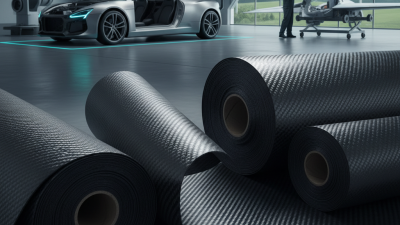
Flexible Carbon Fiber Sheets are revolutionizing various industries with their unique properties. These sheets are lightweight, durable, and highly adaptable. Their flexibility allows them to conform to different shapes and surfaces, making them suitable for diverse applications.
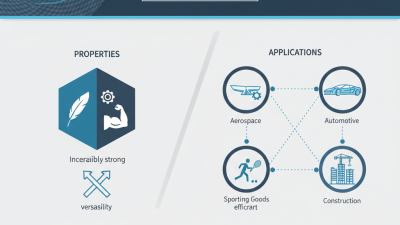
The applications of Flexible Carbon Fiber Sheets span from automotive to aerospace. In the automotive sector, they enhance vehicle performance and fuel efficiency. Aircraft manufacturers use these sheets for lightweight components that do not compromise strength. Additionally, the sports industry benefits from their ability to create high-performance equipment.
Despite their advantages, it's essential to consider the challenges they present. Manufacturing processes can be complex and require specialized knowledge. Not all manufacturers have the expertise needed to produce high-quality sheets. Investing in quality is crucial, as subpar products can impact performance.
Introduction to Flexible Carbon Fiber Sheets
Flexible carbon fiber sheets are a remarkable innovation in material science. These sheets combine the lightweight characteristics of carbon fiber with flexibility. This unique combination makes them suitable for a range of applications, from automotive to aerospace. According to a market research report by Grand View Research, the carbon fiber market is expected to reach $3.2 billion by 2025. This rapid growth highlights the significant demand for flexible carbon fiber materials.
In the automotive industry, these sheets are valued for reducing vehicle weight while maintaining structural integrity. A lighter vehicle boosts fuel efficiency, which is crucial as environmental regulations become stricter. Additionally, flexible carbon fiber can be formed into complex shapes, allowing for innovative designs. In aerospace, the ability to tailor the material properties enhances performance, especially in high-stress environments.
Despite their myriad benefits, the production of flexible carbon fiber sheets can be challenging. The manufacturing process may lead to variations in quality and mechanical properties. Industry experts suggest continued research to overcome these hurdles. Improving consistency in production will enhance reliability and broaden applications across different sectors.
Properties and Composition of Flexible Carbon Fiber Sheets
Flexible carbon fiber sheets are remarkable materials composed primarily of carbon fibers, polymer resins, and additives. These sheets are lightweight yet exceptionally strong. Their flexibility stems from the unique arrangement of fibers, allowing them to bend without breaking. The combination of high tensile strength and low weight makes them ideal for diverse applications.
In terms of properties, flexible carbon fiber sheets exhibit excellent resistance to heat and chemicals, making them suitable for harsh environments. They have a high modulus of elasticity, which contributes to their durability. Companies and engineers value these sheets for their ability to absorb vibrations. This characteristic can enhance performance in aerospace and automotive sectors.
However, working with flexible carbon fiber sheets is not without challenges. The production process can be complex, requiring specialized equipment. Additionally, their cost may be a barrier for some users. Understanding the composition and properties is essential for optimal application. Striking a balance between performance and expense requires careful planning. Embracing the benefits while acknowledging the limitations leads to better decision-making.
Manufacturing Processes for Flexible Carbon Fiber Sheets
The manufacturing processes of flexible carbon fiber sheets involve various advanced technologies. Carbon fibers are often produced through a process called polyacrylonitrile (PAN) carbonization. This involves heating PAN fibers to high temperatures, typically around 1000 to 3000 degrees Celsius. The resulting fibers are lightweight yet incredibly strong, providing significant structural benefits.
In terms of production, the flexibility of these sheets often comes from specialized resin systems. Manufacturers typically use epoxy or polyurethane resins formulated for optimal performance. According to a report by MarketsandMarkets, the carbon fiber composites market is expected to reach $41.4 billion by 2025, with flexible sheets playing a pivotal role in industries like aerospace and automotive. Flexibility allows these sheets to conform to intricate designs, enhancing both aesthetics and functionality.
Quality control is crucial in production. Minor variations in the resin or fiber alignment can impact strength and flexibility. Manufacturers often invest in sophisticated monitoring systems to ensure consistent quality. Addressing imperfections remains essential, as they can compromise the material's reliability in high-stress applications. A thorough understanding of these manufacturing processes sets the groundwork for innovations and improvements in the field.
Applications of Flexible Carbon Fiber Sheets in Various Industries
Flexible carbon fiber sheets are increasingly being utilized across various industries due to their unique properties. They are lightweight, durable, and have excellent strength-to-weight ratios. In aerospace, these sheets help in crafting lightweight components that enhance fuel efficiency. Their resistance to high temperatures makes them ideal for exterior panels and interior structures. Engineers are continually exploring ways to leverage these materials for better performance.
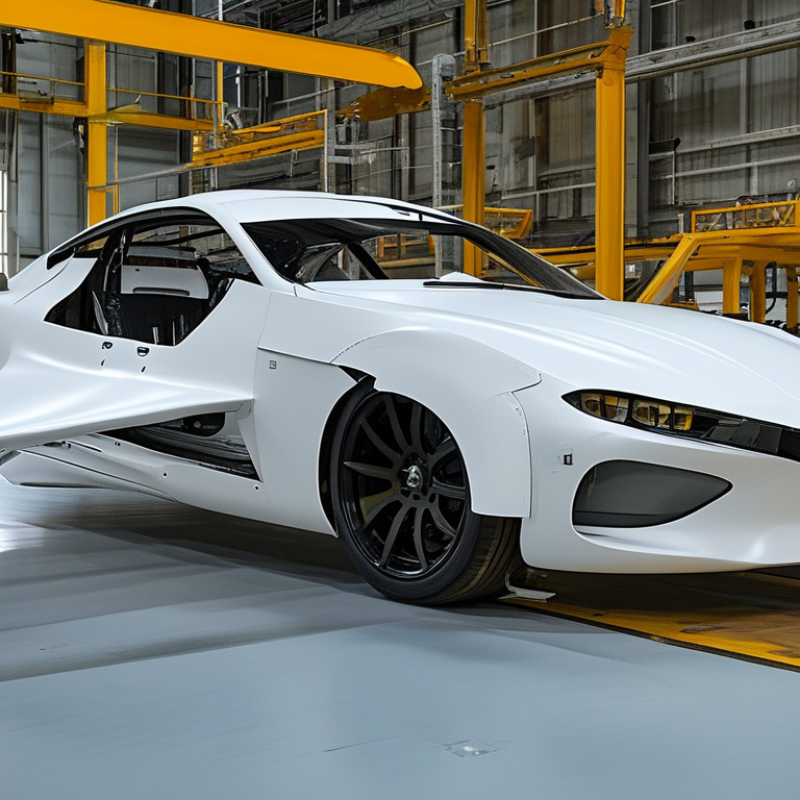
In the automotive sector, flexible carbon fiber sheets improve vehicle performance and aesthetics. The transportation industry benefits from reduced weight, leading to lower emissions and improved fuel economy. Manufacturers use these sheets in body panels and supports, enabling sleek designs without sacrificing durability. Smaller companies in racing also rely on this material, seeking any edge over competitors through weight reduction.
The sporting goods industry is another significant application area. From bicycle frames to tennis rackets, carbon fiber sheets enhance performance through their resilience. However, quality control is crucial. Not all sheets perform equally. Variations in material processing can lead to inconsistencies, affecting final products. Industries must weigh these challenges against the benefits to ensure they make informed decisions.
What is Flexible Carbon Fiber Sheets and Their Applications? - Applications of Flexible Carbon Fiber Sheets in Various Industries
| Industry |
Application |
Benefits |
Thickness Range (mm) |
| Aerospace |
Aircraft interiors and structures |
Lightweight, high strength |
0.5 - 5.0 |
| Automotive |
Body panels and reinforcement |
Durability, increased fuel efficiency |
0.3 - 4.0 |
| Sports |
Equipment and gear manufacturing |
Enhanced performance, lightweight |
0.2 - 3.0 |
| Construction |
Reinforcement for structures |
High tensile strength and flexibility |
0.5 - 6.0 |
| Electronics |
Device housings and components |
Lightweight, thermal conductivity |
0.1 - 2.0 |
Benefits and Limitations of Using Flexible Carbon Fiber Sheets
Flexible carbon fiber sheets are notable for their lightweight and high strength, making them useful in various industries. These sheets provide excellent durability and resistance to corrosion and heat. Their flexibility allows for integration into complex structures. However, the benefits come with some limitations.
The cost of carbon fiber sheets is often high compared to other materials. This can be a barrier for smaller projects or budgets. Additionally, while they are flexible, their rigidity in certain applications can pose challenges. Precision during the fabrication process is crucial to avoid misalignments.
When considering flexible carbon fiber sheets, it’s essential to evaluate your project needs. Choose the right thickness and weave pattern for optimal performance. Ensure you conduct thorough testing before large-scale application. Keep in mind the environment where you intend to use the material, as extreme conditions may affect performance.