What is Cut Resistant Cloth and Why is it Essential for Safety?
Cut Resistant Cloth is a specialized fabric designed to protect against cuts and abrasions. It plays a vital role in various industries, from construction to culinary arts. Workers frequently face potential injuries from sharp objects. Utilizing Cut Resistant Cloth can significantly reduce these risks.
This fabric is crafted using advanced materials like Kevlar and other synthetic fibers. These materials provide enhanced durability and strength. Many safety experts advocate for its use in environments where sharp tools are prevalent.
While Cut Resistant Cloth offers substantial protection, it is not infallible. Users must remain aware of proper usage and care. Understanding the limitations of this material is crucial for effective safety measures. Employing Cut Resistant Cloth correctly can lead to fewer injuries and a safer workplace.
What is Cut Resistant Cloth?
Cut resistant cloth is a specialized fabric designed to protect users from cut injuries. It is made from high-performance materials. These materials provide a barrier against sharp objects. According to a report by the Occupational Safety and Health Administration (OSHA), around 400,000 workers require treatment for cut injuries each year. This statistic underscores the importance of protective clothing in high-risk environments.
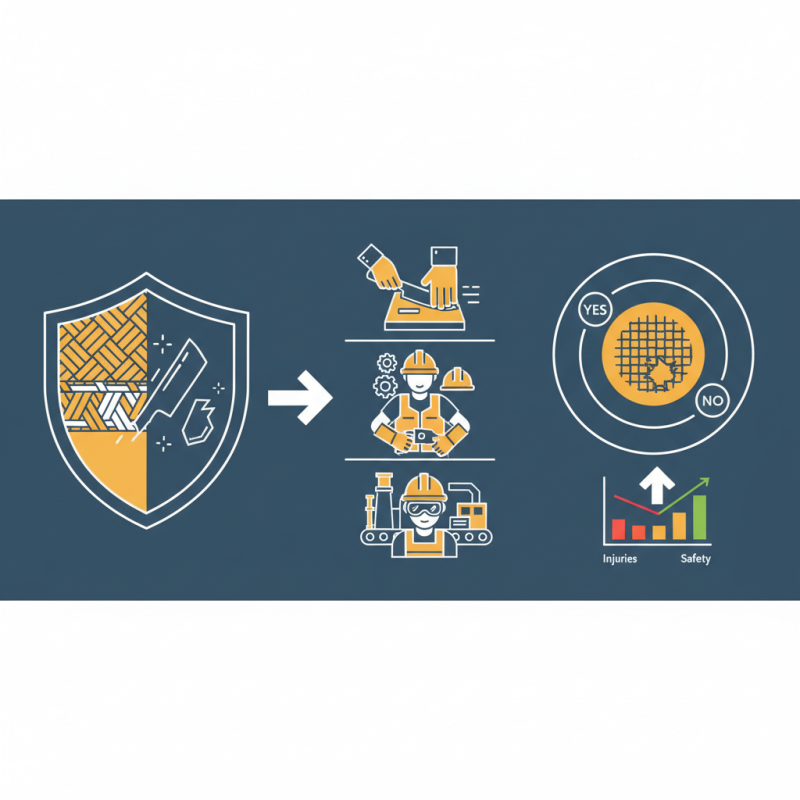
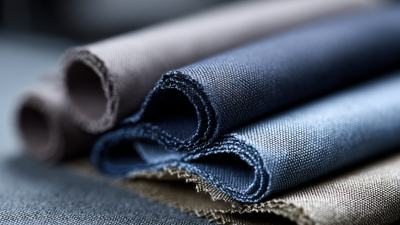
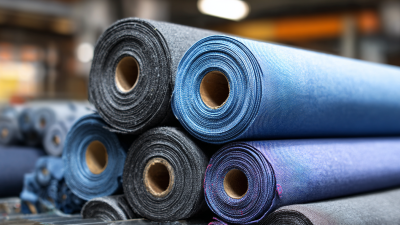
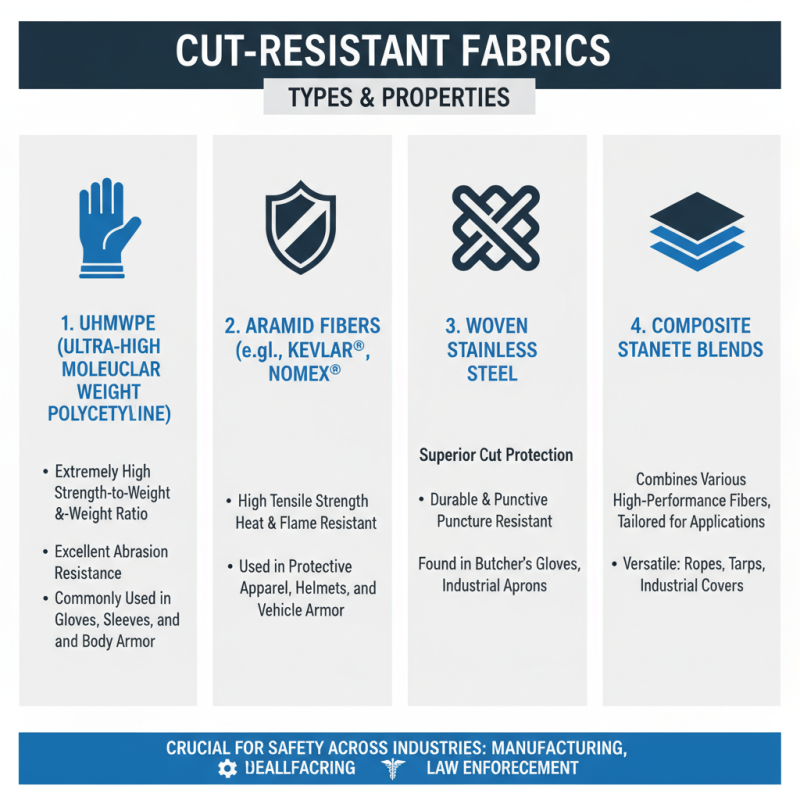
The construction of cut resistant cloth typically involves densely woven fibers or composite yarns. These fibers can include steel, Kevlar, or other high-tenacity materials. Studies indicate that wearing cut resistant clothing can reduce cut injury rates by up to 70%. This data highlights the effectiveness of such garments. However, not all cut resistant cloth is created equal. Some fabrics may wear out quickly or fail under extreme conditions.
Cut resistant cloth finds applications in various industries, including manufacturing, food processing, and construction. Workers who handle sharp tools or materials benefit significantly from this protective gear. Yet, many still neglect to wear it consistently. This gap points to a need for better education on safety standards and the importance of proper protective equipment.
Types of Cut Resistant Fabrics and Their Properties
Cut resistant fabrics play a crucial role in various industries, from manufacturing to healthcare. These materials are specifically designed to withstand cuts and abrasions. This quality makes them essential for ensuring workers' safety. Different types of cut resistant fabrics exist, each with unique properties suited for various tasks.
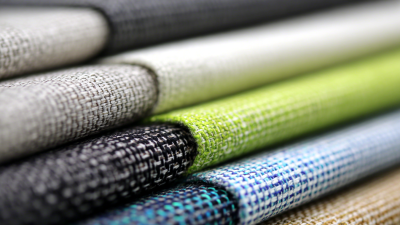
One common type is Kevlar. Known for its durability, it is lightweight yet offers high resistance to cuts. Another popular fabric is Dyneema, which is strong and offers excellent protection against sharp objects. In the case of super-high molecular weight polyethylene, it provides both flexibility and strength. These fabrics can be woven or knitted to enhance their protective qualities.
For those deciding which fabric to use, understanding the specific requirements is vital. Not all cut resistant materials are created equal. Some may lack flexibility, making movement difficult. Others may not be suitable for prolonged exposure to specific environments. Therefore, careful consideration is necessary when choosing the right cut resistant cloth. An informed choice directly impacts safety and comfort during use.
Applications of Cut Resistant Cloth in Various Industries
Cut resistant cloth plays a crucial role in various industries, enhancing workplace safety. In manufacturing, for example, it can reduce injuries from sharp tools and materials. According to the National Safety Council, over 30,000 cutting injuries occur in the workplace annually. Implementing cut resistant clothing can help mitigate these incidents significantly.
In the food service industry, these fabrics are vital as well. Workers often handle knives and sharp utensils. A report from the Occupational Safety and Health Administration indicates that restaurants alone report thousands of injuries each year. Using cut resistant gloves and aprons protects staff and minimizes downtime due to injuries.
In construction and warehouse settings, employees frequently face hazards from glass and metal shards. A study by the Bureau of Labor Statistics found that nearly 25% of construction injuries result from cuts. Incorporating cut resistant cloth into workers' safety gear is essential to tackle this issue. Safety equips workers not just with protection, but also with peace of mind. The investment in quality materials may seem costly, but the potential savings from preventing injuries are significant.
What is Cut Resistant Cloth and Why is it Essential for Safety? - Applications of Cut Resistant Cloth in Various Industries
| Industry |
Applications |
Benefits |
Materials Used |
| Manufacturing |
Worker gloves and protective gear |
Increased safety from sharp tools, reducing injuries |
Kevlar, Dyneema |
| Construction |
Cut-resistant sleeves and vests |
Prevention of cuts and lacerations from sharp edges |
Steel fibers, polyester |
| Food Processing |
Cut-resistant gloves for chefs and workers |
Protects employees while handling sharp knives and tools |
HPPE, nylon |
| Automotive |
Protective clothing and gloves for assembly line workers |
Reduces accidents and enhances productivity |
Aramid fibers, composite materials |
| Healthcare |
Cut-resistant aprons and gloves for surgical teams |
Safety against accidental cuts during procedures |
Polyethylene, Kevlar |
Benefits of Using Cut Resistant Clothing for Workplace Safety
Cut resistant clothing is vital for ensuring safety in various workplaces. Industries like manufacturing, construction, and food processing see high injury rates from cuts and lacerations. According to the Occupational Safety and Health Administration (OSHA), over 30,000 workers are treated for hand injuries each year. Wearing cut resistant clothing can significantly reduce these incidents.
The benefits of using cut resistant clothing are substantial. Workers equipped with proper protective gear report a lower number of injuries. A study from the National Institute for Occupational Safety and Health (NIOSH) indicates that cut resistant garments can lower cut-related injuries by 80%. This level of protection is crucial in environments where sharp tools and machinery are commonplace.
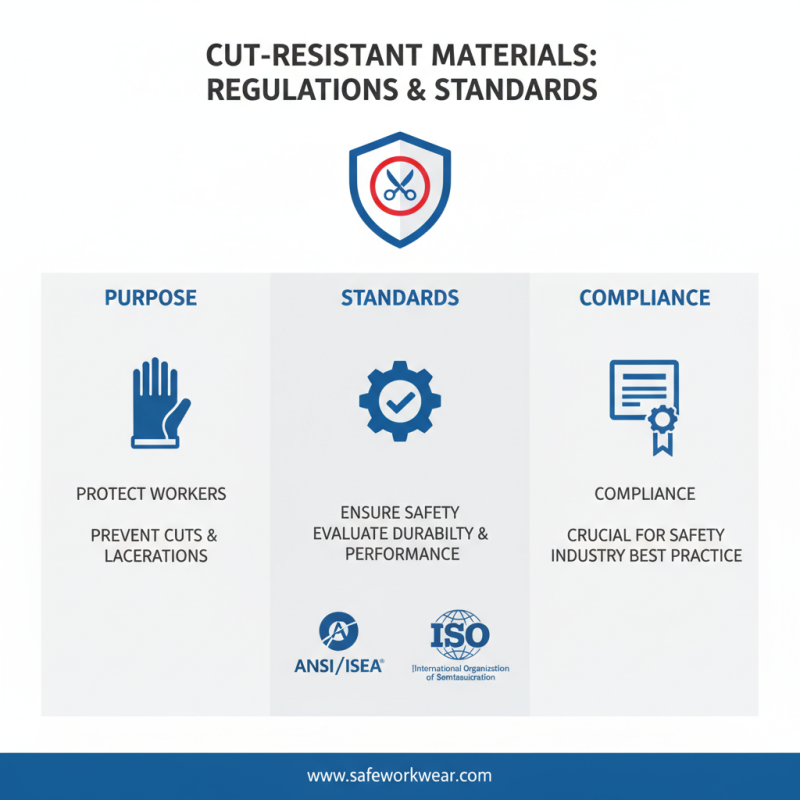
However, not all cut resistant clothing is created equal. There are various levels of cut resistance, determined by standards such as ASTM F2992. Selecting the appropriate level for specific tasks requires expertise. Organizations must regularly review and update their safety gear to ensure effectiveness. Even with advanced materials, complacency can still lead to incidents. It is essential to stay vigilant and educate employees on proper usage and care of cut resistant clothing to maintain a safe working environment.
Benefits of Using Cut Resistant Clothing for Workplace Safety