How to Choose the Best Cut Proof Fabric for Your Needs?
Choosing the right "Cut Proof Fabric" is crucial for safety and performance. According to Dr. Emily Carter, a leading expert in protective textiles, "Not all cut-proof materials are created equal." This underscores the importance of understanding the features that make a fabric truly protective.
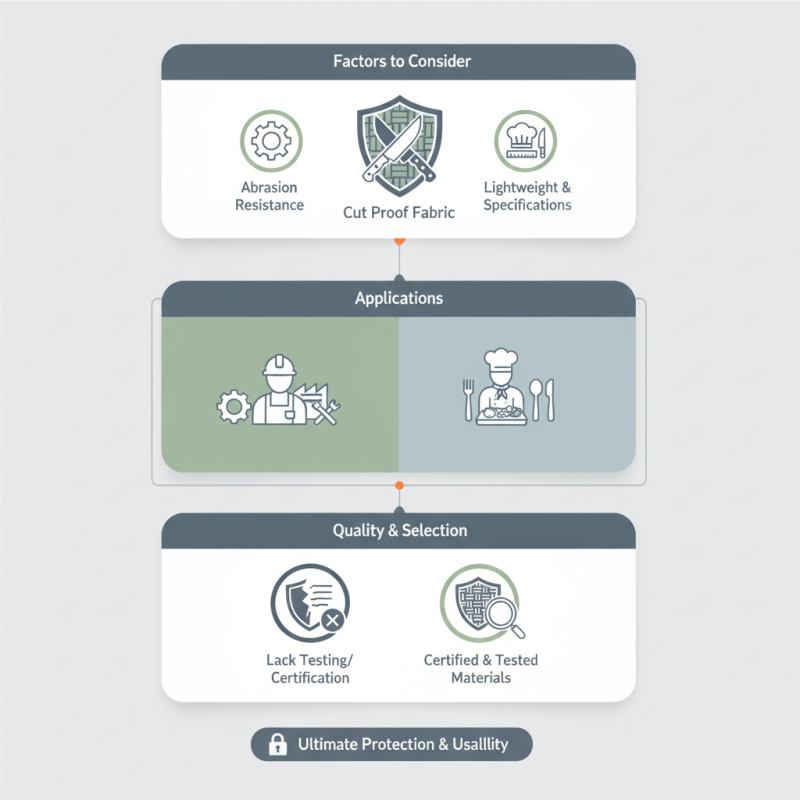
When considering Cut Proof Fabric, various factors come into play. Each application demands different properties. For instance, workers in manufacturing may require high abrasion resistance. Meanwhile, culinary professionals need lightweight and comfortable options. A thorough evaluation of each fabric’s specifications can lead to better choices.
The market offers a wide range of products that vary in quality. Some fabrics claim to be cut-proof but lack real testing or certification. Reflecting on why certain materials fail is as important as recognizing the best options. Knowledge and careful selection can ensure the ultimate protection and usability you need.
Understanding Cut Proof Fabrics: Types and Materials
When choosing cut proof fabrics, understanding the types and materials is crucial. Different materials offer varying levels of protection. For instance, Kevlar and Dyneema are popular choices known for their strong resistance to cuts. Kevlar is lightweight and resistant to abrasion. On the other hand, Dyneema provides excellent durability and is often used in extreme environments.
However, not all cut proof fabrics are identical. Some are designed for specific applications, like industrial work or sports. It’s essential to consider the environment where the fabric will be used. Outdoor activities may demand moisture-wicking properties. In contrast, industrial settings often require thicker and heavier materials for maximum protection.
Finding the right fabric can be challenging. You might encounter options that meet some criteria but fail in others. This trial and error approach demands a careful analysis of how each material performs daily. Always weigh the trade-offs between comfort and protection. Each project may call for a different fabric type based on your unique needs and demands. This reflection leads to smarter choices in fabric selection.
Material Strength Comparison of Cut Proof Fabrics
Assessing Your Specific Needs: Protection Level and Usage
Choosing the right cut-proof fabric begins with assessing your specific needs. Consider the level of protection you require. Some industries, like construction or textiles, demand higher resistance to sharp objects. Each environment poses different risks. A thorough risk assessment will help you identify what is necessary for your safety or that of your team.
Also, think about how the fabric will be used. Will it be for gloves, clothing, or protective gear? Each application has unique requirements. For instance, gloves should prioritize dexterity and comfort alongside cut resistance. Fabrics can vary in breathability and flexibility, affecting overall performance. Attempt to balance these features with protection to ensure functionality.
Be mindful of potential shortcomings in your fabric choice. Not all materials perform well under extreme conditions. Test durability and resistance in real-world scenarios. Your specific activity might reveal weaknesses in a supposedly durable fabric. Relying solely on specifications from manufacturers can lead to unmet expectations. Engage with others in your field to gather insights and adapt to your environment effectively.
Evaluating the Fabric's Comfort and Flexibility
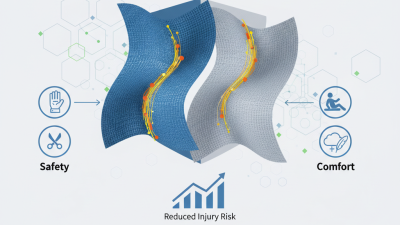
When selecting cut-proof fabrics, comfort and flexibility are critical. In industries where protection is paramount, workers need materials that allow for movement without compromising safety. A recent report by the International Protective Clothing Association indicated that the right fabric should balance cut resistance with wearability.
A comfortable fabric blends seamlessly with the body's movements. Rigid materials can restrict motions, leading to fatigue. Fabrics with a 4-way stretch feature, for example, adapt to various activities. This flexibility can enhance overall productivity without sacrificing safety.
Tip: Always check the fabric's breathability. A breathable material will reduce sweat and increase comfort throughout the workday.
Durability matters, too. Some high-performance materials may feel stiff initially. Test the fabric in different conditions to gauge its performance. Workers often report that certain "soft" cut-proof fabrics lose their protective qualities over time. It’s essential to weigh comfort against long-term effectiveness.
Tip: Consider user feedback when evaluating fabric options. Real-world experiences can reveal insights not captured in reports.
Testing and Certifications: Ensuring Quality and Safety Standards
When selecting cut-proof fabric, understanding testing and certifications is crucial. Not all fabrics labeled as cut-resistant are created equal. Look for materials that have undergone rigorous testing. Independent laboratories often conduct these tests to measure their resistance to cuts. These certifications provide assurance that the fabric meets specific safety standards.
Pay attention to the level of cut protection specified. The American National Standards Institute (ANSI) has established ratings for cut-resistant fabrics, ranging from A1 to A9. Higher ratings signify better protection. However, be cautious. Some products may claim to be cut-resistant without valid testing. Verify the certifications to ensure quality and reliability.
Reflect on your specific needs when choosing fabric. What level of protection is required for your tasks? This may vary depending on the industry. A fabric that works for one application may not suit another. Consider the fabric's comfort and flexibility too. The best choice balances cut resistance with usability. Always seek verification of safety claims to protect yourself effectively.
Comparing Cost vs. Performance: Making an Informed Decision
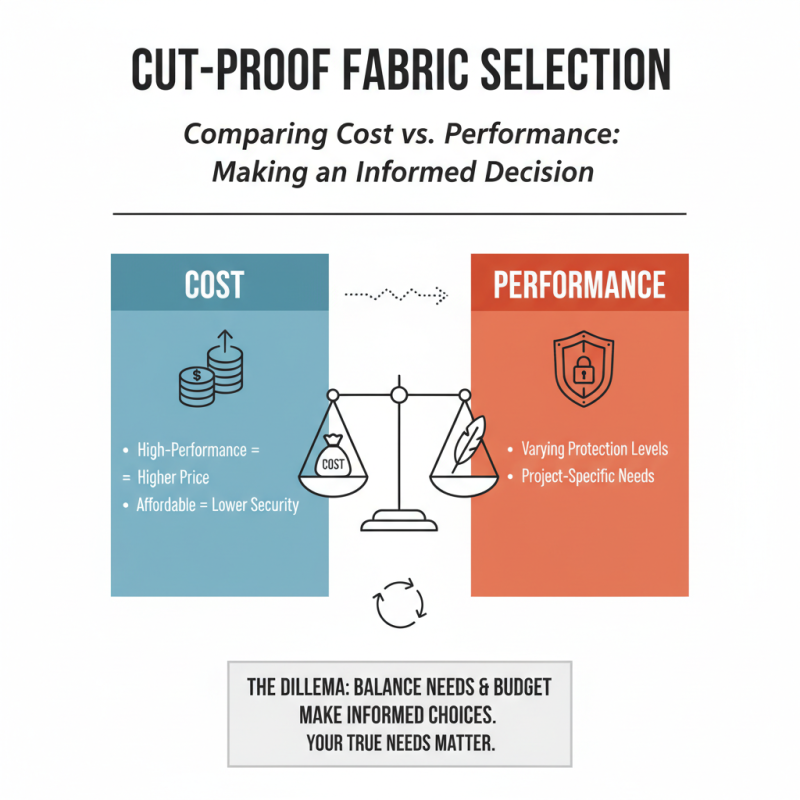
When selecting cut-proof fabric, cost and performance often become focal points. Different projects demand varying levels of protection. High-performance fabrics may come with a hefty price tag. Yet, a more affordable option might not deliver the needed security. This dilemma requires careful consideration and reflection on your true needs.
Understanding the trade-offs is crucial. More expensive materials typically offer better durability and resistance. However, they may not fit within every budget. Assess the activities your fabric will support. If you need it for intense tasks, investing more might save you from injuries. In contrast, occasional use may not warrant spending excessively on premium options.
While comparing options, don't overlook the importance of certifications. Reliable sources can guide you to assess the expertise behind the products. Durability ratings, user reviews, and tests can provide insight into real-life performance. Striking the right balance between cost and quality is key. Experiment and seek feedback on different materials to refine your choices. The process requires patience, but it ultimately leads to a more informed decision.