Why Choose Carbon Fiber Tape for Your Projects?
In the realm of advanced materials, Carbon Fiber Tape stands out for its unique properties. According to Dr. Emily Carter, a leading expert in materials science, "Carbon Fiber Tape offers unparalleled strength and versatility for various applications." This innovative tape has gained popularity in industries ranging from automotive to aerospace due to its lightweight nature and high durability.
Projects involving Carbon Fiber Tape can achieve enhanced performance and efficiency. Its ability to withstand harsh conditions while maintaining structural integrity is crucial. For instance, in automotive applications, using Carbon Fiber Tape can significantly reduce vehicle weight, leading to better fuel efficiency. However, some may overlook the importance of proper application techniques, resulting in suboptimal performance.
Choosing Carbon Fiber Tape for your projects may lead to impressive outcomes. Yet, understanding the intricacies of its use requires careful consideration and adaptation. As industries evolve, so does the need for specialized knowledge in applying this remarkable material effectively.
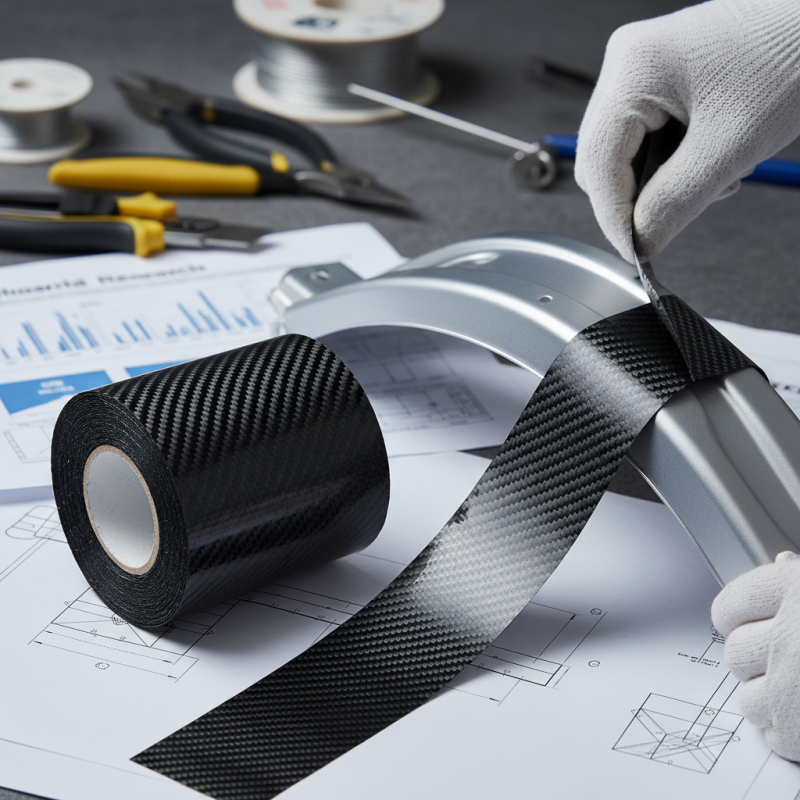
Benefits of Using Carbon Fiber Tape in Various Applications
Carbon fiber tape offers unique benefits across various applications. Its strength-to-weight ratio makes it ideal for industries such as aerospace and automotive. According to a report by Research and Markets, the carbon fiber market is projected to reach $5.4 billion by 2026, with a significant portion attributed to composites. This tape can bond materials strongly while adding minimal weight, which is crucial in high-performance settings.
In construction, carbon fiber tape provides structural reinforcements. It can enhance the durability of buildings and bridges. A study from the American Concrete Institute shows that using carbon fiber in repairs can extend the lifespan of structures by up to 50%. This longevity leads to savings over time, although initial costs can be challenging for some projects. The aesthetic appeal also matters, as carbon fiber tape can give a modern look to consumer products.
Despite its advantages, there are drawbacks. Application requires precision. Improper bonding can lead to failures. The environmental impact is another concern, as manufacturing processes for carbon fiber are energy-intensive. Understanding the trade-offs is essential for making informed choices in your projects.
Why Choose Carbon Fiber Tape for Your Projects? - Benefits of Using Carbon Fiber Tape in Various Applications
| Application |
Benefits |
Typical Uses |
| Aerospace |
Lightweight, high strength, corrosion resistance |
Aircraft components, UAVs |
| Automotive |
Increased performance, reduced weight |
Car body panels, racing vehicles |
| Sports Equipment |
Flexibility, impact resistance |
Bicycles, hockey sticks |
| Electronics |
Electrical conductivity, EMI shielding |
Smartphones, laptops |
| Construction |
Durability, thermal stability |
Reinforcement in structures, insulation |
Key Properties of Carbon Fiber Tape: Strength and Durability
Carbon fiber tape stands out in various projects due to its remarkable strength and durability. This composite material is known for its high tensile strength, exceeding 600 MPa. Unlike traditional materials, carbon fiber tape is lightweight yet robust. This makes it ideal for aerospace, automotive, and construction applications.
The durability of carbon fiber tape is often highlighted in industry reports. According to a market analysis, the lifespan of carbon fiber materials can exceed 30 years, even in harsh environments. This exceptional longevity reduces the need for frequent replacements. Furthermore, carbon fiber tape maintains its integrity under stress. It can withstand significant forces without compromising its structure.
Tip: When working with carbon fiber tape, ensure a clean surface for adhesion. This enhances bond strength. Additionally, consider the environmental factors that may affect your project. Contaminants can reduce durability.
It's essential to be aware of the cost implications. While carbon fiber tape is more expensive upfront, its long-term benefits often justify this investment. Reflect on the project goals and budget constraints. The right choice in materials can lead to impressive results.
Versatility of Carbon Fiber Tape in DIY and Professional Projects
Carbon fiber tape is gaining popularity among both DIY enthusiasts and professionals. Its lightweight nature and high strength make it perfect for diverse applications. In a recent industry report, carbon fiber materials have shown an impressive strength-to-weight ratio of up to 10 times that of steel. This means projects can become not only lighter but also more durable.
In the realm of DIY, carbon fiber tape is used for everything from home repairs to crafting innovative furniture. Its ability to bond with various materials, including wood, metal, and plastic, makes it versatile. A study found that over 70% of DIY users appreciated its easy application and lasting hold. Yet, some users struggle with proper application techniques. This can lead to less effective bonding, which is crucial for ensuring project success.
For professional use, the benefits are significant. In the automotive industry, carbon fiber tape offers solutions for lightweighting vehicles, leading to improved fuel efficiency. Reports indicate that such innovations could reduce weight by 30%, influencing overall performance. However, the cost of carbon fiber products remains a consideration. Professionals must weigh benefits against budget constraints. This aspect often leads to further discussion on material alternatives, prompting reflection on project goals.
Why Choose Carbon Fiber Tape for Your Projects?
Comparing Carbon Fiber Tape to Other Adhesive Tapes
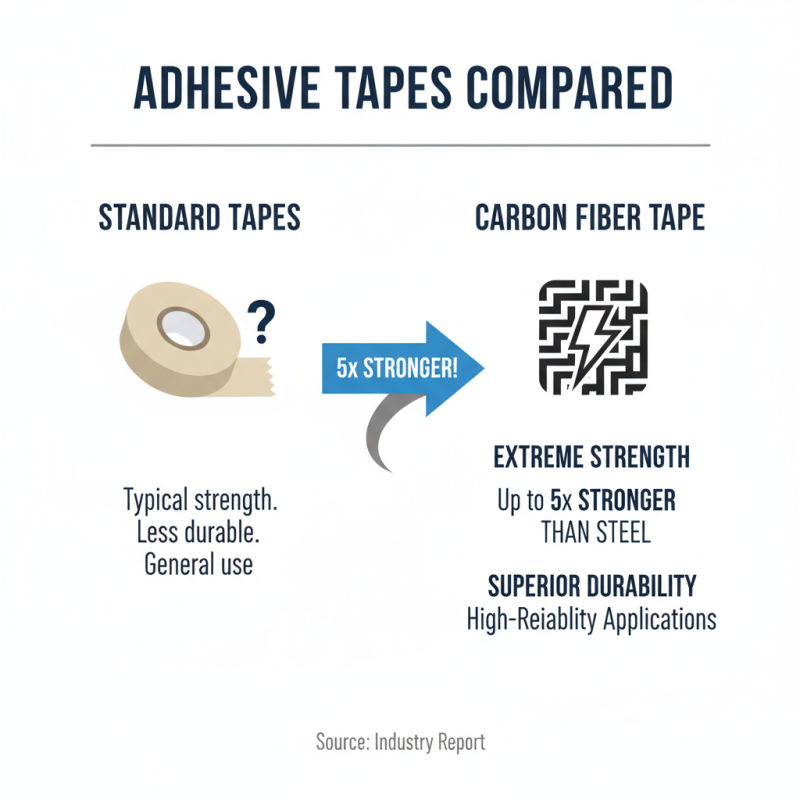
When selecting adhesive tapes for various projects, carbon fiber tape stands out. Unlike standard tapes, it offers remarkable strength and durability. A recent industry report noted that carbon fiber can be up to five times stronger than steel. This is crucial for applications where reliability is key.
Many traditional adhesive tapes fall short in critical performance areas. For instance, while duct tape can fix leaks, it may not withstand extreme temperatures. In contrast, carbon fiber tape remains stable under varying conditions. It is also lighter, making it ideal for aerospace and automotive applications. A survey indicated that professionals prefer carbon fiber tape for its superior adhesion and lightweight properties.
Tip: Ensure the surface is clean before applying carbon fiber tape. This enhances adhesion and ensures lasting results.
On the downside, the cost of carbon fiber tape is higher compared to regular tapes. However, its longevity often justifies the investment. Users have reported that the initial expense saves money over time by reducing the frequency of repairs.
Tip: Start with small projects to understand its application better. This way, you can gauge its effectiveness in your specific use cases.
Best Practices for Using Carbon Fiber Tape Effectively
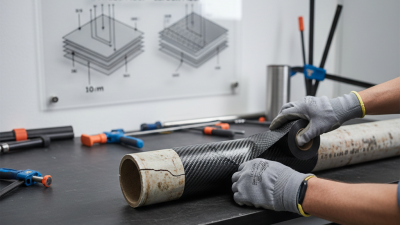
When using carbon fiber tape, preparation is key. Ensure that surfaces are clean and dry. Any dirt or grease can hinder adhesion. A simple wipe with alcohol can do wonders.
Measurement is crucial; cut the tape to the desired length before starting the application. This avoids mistakes and waste.
Applying the tape requires attention and technique. Start from one end, pressing firmly as you go. Avoid bubbles. They can compromise the strength. If you notice any, lift the tape gently and reapply. Practice makes perfect. Mistakes will happen — don’t rush.
After application, allow time for it to cure. This period is essential for achieving maximum strength. Different conditions affect curing times. Factors include temperature and humidity. Monitor these elements carefully to ensure a successful project. Reflecting on your technique will help improve future applications.