How to Choose the Best Carbon Fiber Webbing for Your Needs?
Selecting the right Carbon Fiber Webbing is crucial for various applications, from outdoor gear to automotive components. According to a report by MarketsandMarkets, the global carbon fiber market is projected to reach $8.57 billion by 2026, reflecting a growing demand for lightweight, high-strength materials. As industries embrace carbon fiber technology, understanding its properties becomes essential.
Carbon Fiber Webbing offers significant advantages, such as high tensile strength and low weight. These qualities make it ideal for applications requiring durability without compromising performance. However, not all carbon fiber webbing is created equal. Factors like weave pattern, tensile strength, and resin type significantly influence its effectiveness in specific scenarios.
While many options are available, users should remain aware of potential shortcomings. Inconsistent quality between manufacturers can affect performance. Some webbing may not withstand extreme conditions as advertised. Therefore, thorough research and comparison of technical specifications are vital to ensure you choose the best Carbon Fiber Webbing that meets your unique needs.
Understanding Carbon Fiber Webbing: Properties and Benefits
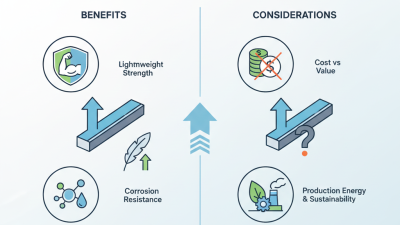
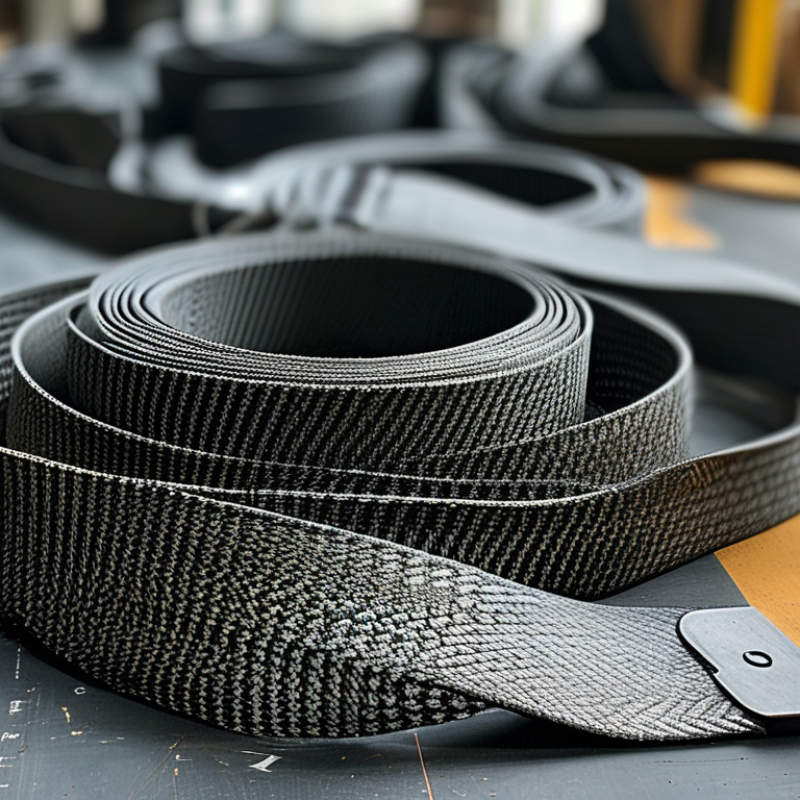
Carbon fiber webbing is gaining popularity across various industries due to its unique properties. It is lightweight but extremely strong. This makes it ideal for applications where strength is essential but weight must be minimized. Additionally, carbon fiber has excellent resistance to environmental factors, such as moisture and UV rays. These characteristics ensure longevity and durability, making it suitable for outdoor use.
When choosing carbon fiber webbing, consider its tensile strength and flexibility. Not all webbing is made the same. Different types may perform better for specific applications, such as climbing gear or automotive uses. You might find that some webbing is stiffer, which could affect comfort. Conducting a proper evaluation of your requirements is crucial.
Tips for selection: Examine the webbing's weight versus strength ratio. Ensure it fits your project needs. Look for detailed specifications. This information often highlights the webbing's limitations, helping you make informed choices. Remember, not all carbon fiber webbing meets high standards. Spending time on research pays off in the long run. Explore feedback from users as well, as real-world experiences can reveal quality issues you might not find in data sheets.
How to Choose the Best Carbon Fiber Webbing for Your Needs?
| Property |
Description |
Benefits |
| Weight |
Lightweight compared to other materials. |
Easy to handle and reduces overall product weight. |
| Strength |
High tensile strength and durability. |
Ensures safety and longevity in applications. |
| Flexibility |
Elastic properties that allow for flexibility under tension. |
Easily adapts to various load conditions without breaking. |
| Corrosion Resistance |
Resistant to various environmental factors. |
Suitable for long-term outdoor use without degradation. |
| Thermal Stability |
Maintains properties over a wide temperature range. |
Effective for applications exposed to extreme temperatures. |
Identifying Your Specific Needs for Carbon Fiber Webbing
When selecting carbon fiber webbing, it's essential to identify your specific needs. Applications can vary widely. Whether you require webbing for outdoor gear or automotive use, understanding your project is key. The weight, strength, and flexibility of the webbing matter greatly.
Tips: Consider your environment. Will it face harsh weather? If so, ensure the webbing has UV resistance. This will prolong its lifespan. Also, think about the load it needs to carry. Not all carbon fiber webbing has the same tensile strength.
Evaluate the cut and style as well. Different designs can enhance durability or flexibility. A weave pattern that suits your specific need can make a significant difference. Pay attention to the thickness too. Too thin might compromise strength. Too thick could add unnecessary weight.
Reflecting on these aspects ensures you make an informed choice. Each project is unique, and so are its requirements. Be ready to ask questions. Seeking advice from experts can clarify uncertainties. This proactive approach will lead you to the best carbon fiber webbing for your goals.
Evaluating Different Types and Designs of Carbon Fiber Webbing
When evaluating carbon fiber webbing, it's vital to consider the specific types and designs available. The primary distinctions lie in the weave patterns: unidirectional, bi-directional, and tri-directional. Each pattern impacts the webbing's tensile strength, flexibility, and weight, influencing its end use significantly. For instance, unidirectional carbon fiber webbing offers superior strength but less flexibility, making it suitable for applications that demand high load-bearing capacities.
According to industry data, carbon fiber materials can be up to 10 times stronger than steel while remaining lightweight. This has led to a surge in demand across various sectors, from aerospace to sporting goods. For example, bi-directional webbing balances strength and flexibility, often preferred for harnesses and bindings. However, the nuances in design also come with trade-offs. Tri-directional webbing, while offering a blend of qualities, can sometimes sacrifice tensile strength for versatility.
Despite advancements, some users report issues with durability in extreme conditions. Variations in resin formulations and manufacturing processes can lead to inconsistencies. Regular testing and feedback loops are essential for identifying weaknesses. Be mindful of your use case. Each design serves a purpose, but identifying the best option involves understanding your specific needs and the limitations of each type.
Comparing Weight, Strength, and Durability in Carbon Fiber Options
When choosing carbon fiber webbing, it's crucial to consider weight, strength, and durability. Carbon fiber is known for its lightweight properties. However, not all options offer the same performance. Some webbing types are incredibly light but may compromise on strength. It's essential to balance these factors based on your specific application.
Strength is a primary concern for many users. Different carbon fiber compositions yield varying tensile strengths. It’s wise to consult specifications to ensure the webbing can handle your intended load. A webbing that seems strong may not always be suitable for heavy-duty tasks. Testing the material in real conditions can reveal its true capabilities.
Durability is another key factor. Some carbon fiber options resist environmental factors better than others. Exposure to UV light or moisture can degrade some webbing types over time. It's helpful to research the long-term performance of different options. Be aware of the conditions your webbing will face. The right choice can prevent costly replacements down the line.
Budget Considerations: Finding Cost-effective Carbon Fiber Solutions
When considering carbon fiber webbing, budget plays a crucial role. The costs can vary significantly based on the quality and application. Prioritize your needs. Identify how much you're willing to spend. Sometimes, lower-priced options can raise doubts about their durability. Ensure you’re not compromising on quality for a better price.
Look for suppliers who offer detailed specifications. Check their reviews and reputation. This builds trust in your choice. Explore various options. You may find that only a slight increase in price leads to a significant enhancement in performance. Think about long-term investments. Cheaper materials might cost more in replacements.
Evaluate the specifications carefully. Consider weight, strength, and flexibility. These factors influence your decision significantly. A wise choice today can save you money in the future. Keep in mind that the right carbon fiber webbing should meet your specific needs without overspending. Always weigh the benefits against the costs.