Why Choose Aramid Fiber Products at the 139th Canton Fair?
The upcoming 139th Canton Fair is set to be a pivotal event for industries worldwide. Among the highlighted materials will be Aramid Fiber Products, known for their durability and versatility. Dr. Alex Johnson, a leading expert in high-performance materials, once stated, "Aramid fibers are revolutionizing industries, providing solutions that were previously unimaginable."
With the integration of AI technology, visitors will efficiently navigate the extensive 1.55 million square meters of exhibition space. The focus on advanced manufacturing and new materials underscores the fair's commitment to innovation. Buyers can swiftly locate suppliers meeting stringent qualifications like ISO and CE certifications. This is especially relevant for manufacturers seeking high-quality Aramid Fiber Products.
Many still overlook the potential applications of these fibers. It's not just about strength; it's about how they can enhance safety and performance. For example, industries ranging from aerospace to automotive rely on Aramid fibers to enhance product longevity. The challenge lies in educating potential clients about these advantages. In this fair, the spotlight on Aramid Fiber Products could reshape perceptions and lead to significant opportunities for collaboration and growth.

The Historical Significance of Aramid Fibers in Modern Industries
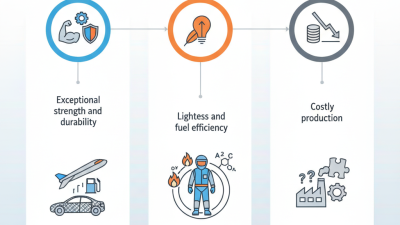
Aramid fibers have transformed various industries due to their unique properties. These fibers are known for their strength and heat resistance. In the automotive sector, they are used to create lightweight car parts that improve fuel efficiency. The durability of aramid fibers allows vehicles to withstand harsh conditions, making them safer. This change is not without challenges. The cost of production remains a concern for many manufacturers.
In the aerospace industry, aramid fibers contribute to making aircraft lighter and more fuel-efficient. This innovation supports environmental sustainability efforts. However, the integration of these materials is not always seamless. Engineers often face difficulties in material compatibility and manufacturing processes. These hurdles require continual reflection and adaptation in production techniques.
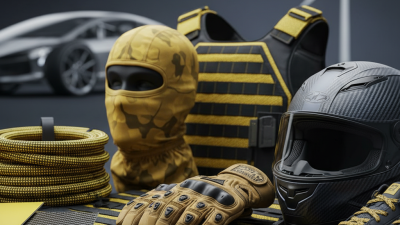
Additionally, aramid fibers are crucial in protective gear, such as body armor and helmets. They offer superior protection against various threats. Yet, the challenge lies in ensuring comfort and flexibility for the user. Adjustments in design and material usage are essential to achieve the ideal balance between safety and wearability. As industries evolve, the journey with aramid fibers urges us to keep seeking improvements and innovations.
Key Advantages of Aramid Fiber Products in Performance and Durability
Aramid fiber products have gained attention for their impressive performance and durability. They are often used in various applications, from aerospace to personal protective equipment. A recent industry report highlights that aramid fibers can withstand temperatures up to 400°C, making them ideal for high-heat environments. Their lightweight nature is also a significant advantage, with a density 40% lower than that of steel, resulting in easier handling and transportation.
One key aspect of aramid fibers is their exceptional tensile strength. Data indicates that they have nearly five times the strength of steel at the same weight. This high strength-to-weight ratio allows manufacturers to create robust products without adding unnecessary bulk. However, there can be challenges. While aramid fibers resist chemical damage and UV degradation, they can be more expensive than traditional materials. This cost factor is an important consideration in product selection.
In terms of durability, aramid fibers contribute to long-lasting applications. Studies show that products made with aramid fibers can exceed conventional materials in lifespan by 30%. Yet, careful processing and manufacturing methods are crucial. Issues such as moisture absorption can compromise performance. Potential buyers should weigh the costs against performance benefits when choosing aramid fiber products. They must remain informed and open to reevaluation.
Why Choose Aramid Fiber Products at the 139th Canton Fair? - Key Advantages of Aramid Fiber Products in Performance and Durability
| Feature |
Description |
Benefits |
| High Strength |
Aramid fibers have exceptional tensile strength compared to steel. |
Provides reliable support in high-stress applications. |
| Lightweight |
Significantly lighter than traditional materials. |
Enhances comfort and reduces material costs in manufacturing. |
| Heat Resistance |
Can withstand extreme temperatures without losing structural integrity. |
Ideal for applications in high-heat environments. |
| Chemical Resistance |
Resistant to a broad range of chemicals. |
Ensures longevity in harsh industrial conditions. |
| Aging Resistance |
Maintains performance over time without degradation. |
Reduces the need for replacements and repairs. |
Market Demand: Statistical Insights into Aramid Fiber Usage in 2023
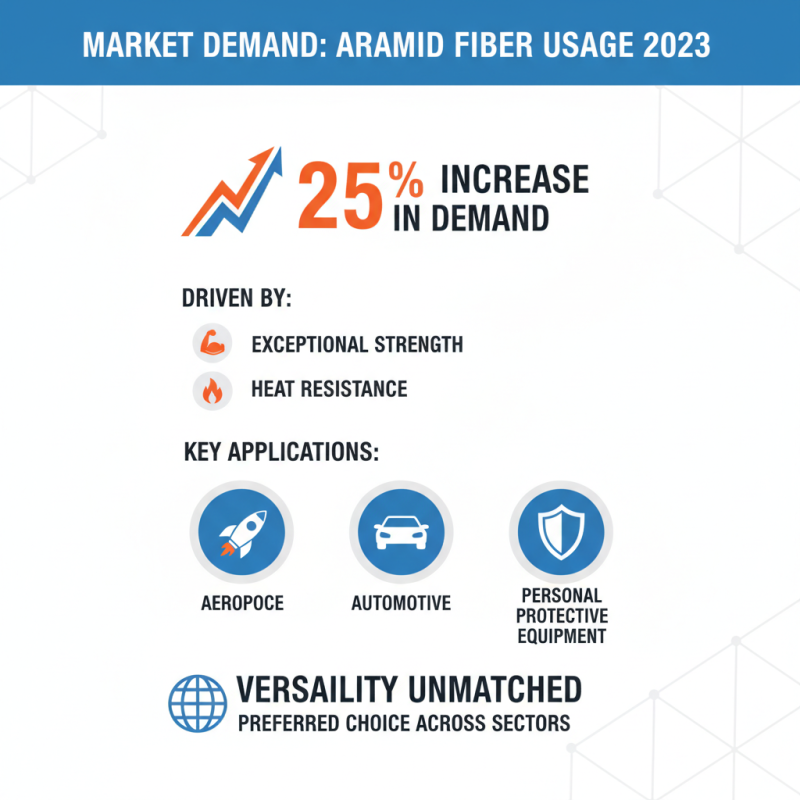
Aramid fiber products are gaining significant attention in 2023. Recent industry reports indicate a 25% increase in demand for aramid fibers, driven by their exceptional strength and heat resistance. These fibers are widely used in various applications, including aerospace, automotive, and personal protective equipment. The versatility of aramid fibers is unmatched, which makes them a preferred choice across different sectors.
Market insights reveal that the automotive industry is one of the largest consumers of aramid fibers, accounting for nearly 40% of the total market share. The growing emphasis on lightweight materials in vehicle manufacturing is pushing demand further. Additionally, in the aerospace sector, aramid fibers are crucial for components requiring high performance under extreme conditions.
Tips: When considering aramid fibers, assess the specific requirements and applications. Not every product may meet your needs. Always review technical specifications carefully. Remember, while aramid fibers offer numerous benefits, they may not be suitable for all situations. Consider the cost implications as well.
Another aspect to ponder is sustainability. Although aramid fibers provide durability, their environmental impact is still a topic of discussion. Evaluate alternatives, and weigh longevity against ecological footprint. The future demands a balanced approach to fiber usage.
Innovations in Aramid Fiber Technology Showcased at the 139th Canton Fair
At the 139th Canton Fair, aramid fiber technology stands out. Innovations in this field are impressive. Aramid fibers are known for their high strength and durability. They are five times stronger than steel yet lightweight. According to recent industry reports, the global aramid fiber market is estimated to reach $5.3 billion by 2027, growing at a CAGR of 9.3%. This growth indicates the rising demand for these materials in various sectors, including automotive and aerospace.
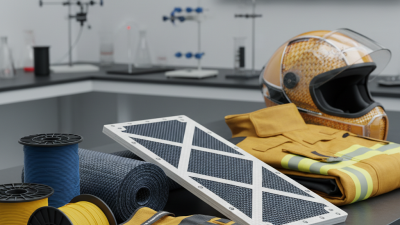
The fair showcases cutting-edge aramid fiber products. Manufacturers are presenting solutions that enhance performance. For example, flame-resistant garments and advanced composites make a significant impact. These innovations are not perfect. Challenges remain in adoption and manufacturing processes. Companies need to be mindful of quality control and sustainability issues when developing new products.
Tip: Evaluate the specific needs of your application when selecting aramid fiber products. Consider factors like temperature resistance and tensile strength.
Additionally, focus on the life cycle of your materials. Assess how production processes impact the environment. Do these innovations truly meet user needs? The answers may require some reflection. The Canton Fair is an excellent venue for exploring these important topics.
Sustainability and Aramid Fibers: Environmental Impact and Future Trends
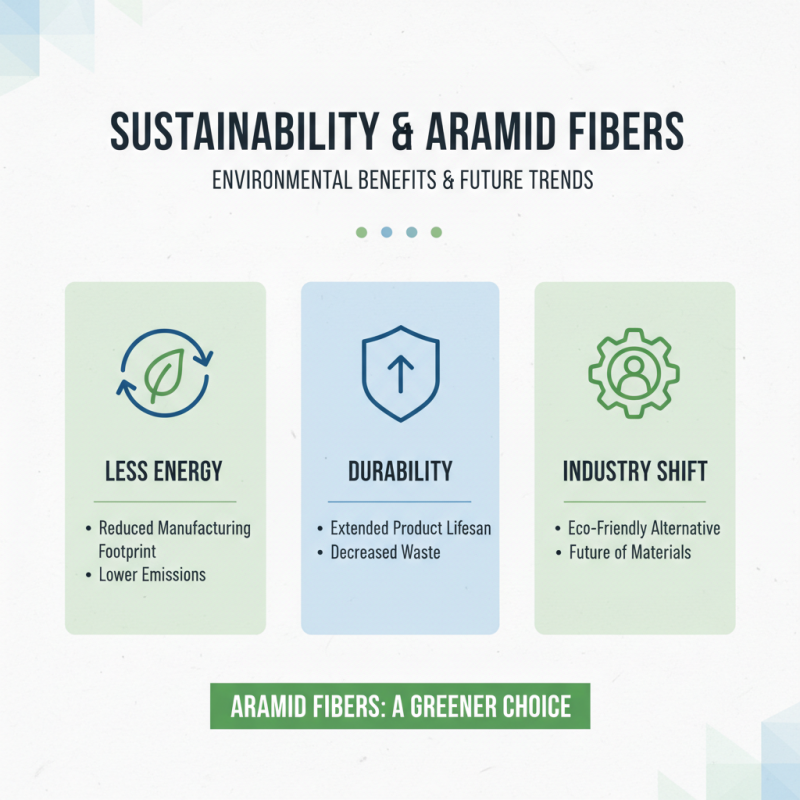
Sustainability is a pressing concern today. Aramid fibers stand out for their environmental benefits. They require less energy to produce than many other materials. This reduction leads to lower emissions during manufacturing. Their durability also means they last longer, reducing waste. Many industries are shifting toward aramid fibers for this reason.
However, challenges remain. The recycling process for aramid fibers is not yet fully developed. Many companies struggle with waste management. Technologies are evolving, but they need more investment. There is also a need for awareness about these fibers. While they offer benefits, the industry must communicate these effectively.
Looking ahead, the future for aramid fibers looks promising. Innovations are underway to improve their environmental impact. Researchers are exploring biodegradable options. The integration of sustainable practices is critical. It is essential for the industry to reflect on its processes. Progress requires collaboration and a commitment to reduce the carbon footprint.