What is Carbon Fiber Tube and How is it Used?
In recent years, the carbon fiber tube has gained popularity in various industries. Dr. Emily Carter, a leading expert in composite materials, states, “Carbon fiber tubes provide unmatched strength with minimal weight.” This remarkable characteristic makes them ideal for applications ranging from aerospace to sports equipment.
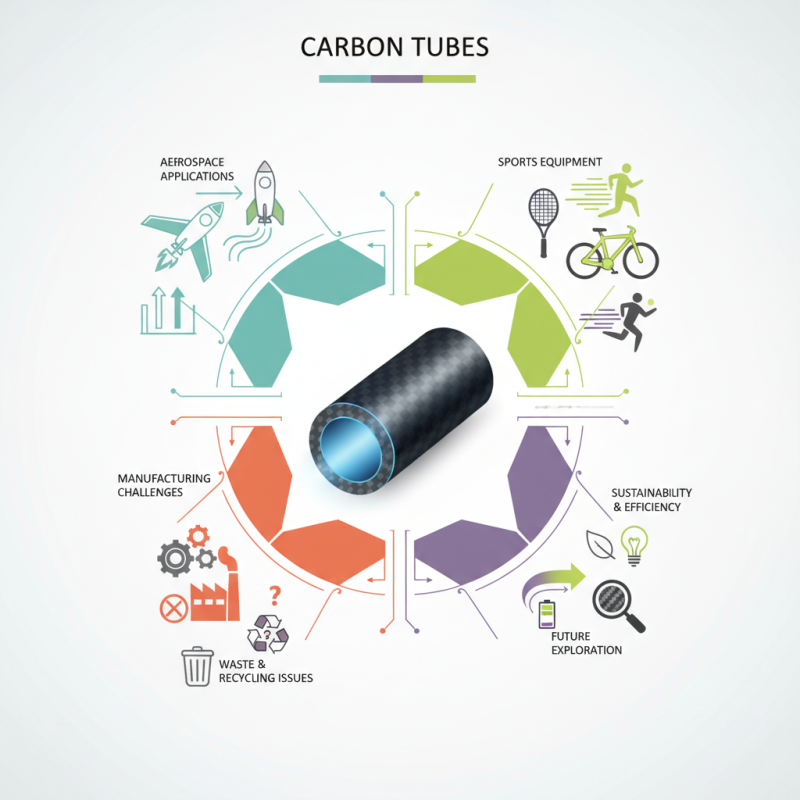
The versatility of carbon fiber tubes is evident in how they are utilized. In the aerospace industry, they enhance fuel efficiency by reducing weight. In sports, athletes benefit from the strength and resilience of carbon fiber. However, these tubes are not without challenges. They can be expensive and may require specialized manufacturing processes.
Despite their advantages, the carbon fiber tube industry still faces hurdles. The production process often generates significant waste. Additionally, recycling carbon fiber remains a complex issue. Awareness of these challenges is crucial as we explore the future of carbon fiber tubes. In understanding their applications, we also need to reflect on sustainability and efficiency.
What is Carbon Fiber Tube?
Carbon fiber tubes are lightweight, high-strength materials often used in various industries. They are made from thin strands of carbon atoms, which are woven together to form a strong composite. According to a report by the Global Carbon Fiber Market, this material is rapidly gaining traction due to its exceptional properties. It's five times stronger than steel and weighs only a fraction of it. This makes carbon fiber tubes ideal for applications where weight and strength are critical.
These tubes find applications in aerospace, automotive, and sports industries. In aerospace, they help improve fuel efficiency in aircraft. In automotive, they enhance vehicle performance while reducing weight. Data from a recent industry study highlights that carbon fiber-reinforced materials could reduce vehicle weight by up to 50%. However, they can be more expensive than traditional materials. This cost factor may limit their adoption in some sectors.
Despite their strengths, the production of carbon fiber remains an area for improvement. The manufacturing process can be energy-intensive, raising environmental concerns. Research is ongoing to find more sustainable methods for production. As we explore the possibilities of carbon fiber tubes, it's essential to balance the benefits against these challenges.
Composition and Properties of Carbon Fiber Tubes
Carbon fiber tubes are gaining popularity in various industries due to their composition and properties. Composed of thin strands of carbon, these tubes demonstrate remarkable strength-to-weight ratios. Typically, carbon fiber contains about 90% carbon, providing excellent tensile strength. This material is lighter than aluminum and stronger than steel.
One crucial property of carbon fiber tubes is their resistance to corrosion. Unlike metals, carbon fiber is impervious to rust and other chemical degradation. This makes it ideal for applications in marine and industrial environments where exposure to harsh elements is common. A report from the Composites Market indicates that the demand for carbon fiber composites is projected to exceed $30 billion by 2025, highlighting the material's growing significance.
However, utilizing carbon fiber tubes poses challenges. Their manufacturing process can be complicated and costly. Not all designs may achieve optimal performance due to variations in production techniques. Additionally, the recycling of carbon fiber remains a significant issue in the industry. Solving these problems requires innovation and examination of best practices to optimize the use of this versatile material.
Carbon Fiber Tubes: Composition and Properties
This bar chart illustrates the key properties of carbon fiber tubes, highlighting their remarkable tensile strength, flexural modulus, density, and thermal conductivity. These attributes make carbon fiber tubes widely used in various industries, including aerospace, automotive, and sports equipment.
Common Applications of Carbon Fiber Tubes
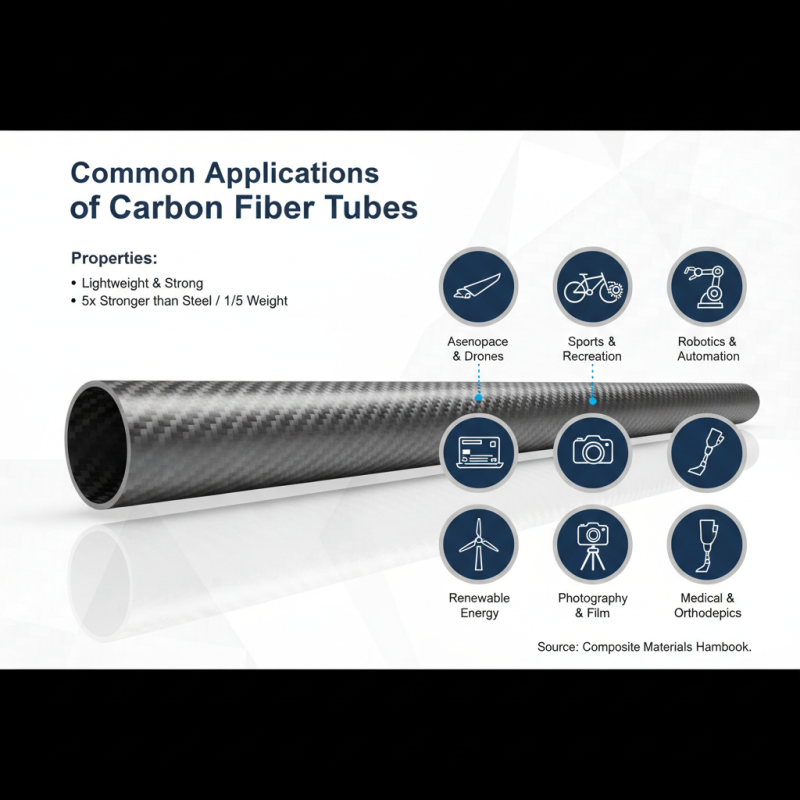
Carbon fiber tubes are increasingly popular in various industries due to their unique properties. They are lightweight yet strong, making them ideal for applications requiring high strength-to-weight ratios. According to a report from the Composite Materials Handbook, carbon fiber composites can be up to five times stronger than steel while being only one-fifth the weight. This combination allows engineers to use them effectively in numerous fields.
In the aerospace sector, carbon fiber tubes are essential. They are used in aircraft structures and components. Their low weight contributes to fuel savings. The automotive industry also benefits from carbon fiber tubes. They improve fuel efficiency in vehicles by reducing overall weight. The Global Fiber-Reinforced Composites Market report suggests a significant growth rate in these applications. However, the high cost of production remains a challenge.
Additionally, carbon fiber tubes find applications in sports equipment, such as bicycles and fishing rods. These items benefit from the high stiffness and flexibility of carbon fiber. Users often notice improved performance. It is essential for manufacturers to consider the balance between performance and cost. While carbon fiber tubes provide excellent advantages, addressing the challenges of manufacturing and affordability is crucial.
Advantages of Using Carbon Fiber Tubes
Carbon fiber tubes are increasingly popular in various industries due to their unique properties. One major advantage is their high strength-to-weight ratio. A report by the Carbon Fiber and Composite Materials Market indicates that carbon fiber is five times stronger than steel, yet significantly lighter. This makes it ideal for applications in aerospace and automotive sectors, where weight reduction improves fuel efficiency.
Another benefit is excellent corrosion resistance. Unlike metals, carbon fiber does not rust. This property extends the lifespan of products made from these tubes. Marine and architectural applications particularly value this feature. Research shows that carbon fiber composites can last up to three times longer than traditional materials in harsh environments.
Despite the advantages, some challenges exist. The production process can be costly, impacting overall affordability. Additionally, carbon fiber materials can be less flexible, which might limit their use in certain designs. Companies often face dilemmas when balancing performance and budget. These considerations are crucial for industries aiming to innovate while managing expenses.
Manufacturing Techniques for Carbon Fiber Tubes
Carbon fiber tubes are lightweight yet strong. They are used in various industries, from aerospace to sports equipment. Manufacturing these tubes involves several intricate techniques. The choice of technique can affect the final product's performance and quality.
One common method is filament winding. In this process, continuous fibers are wound onto a mandrel. The fibers are soaked in resin, providing strength and flexibility. The alignment of the fibers is crucial. If not aligned properly, the tube may not perform well under stress. Another technique is pultrusion. This method pulls fibers through a resin bath and into a heated die, forming a solid tube. It allows for high production rates, but thickness can vary.
Both methods have their challenges. Achieving the right balance of strength and weight is an ongoing challenge. Developers must constantly assess their processes. Sometimes, minor adjustments lead to significant improvements. The art of creating carbon fiber tubes involves trial and error. Each iteration brings new insights, pushing the boundaries of what is possible.