10 Best Pultrusion Carbon Fiber Bars for Your Projects?
The growing demand for lightweight and strong materials has positioned pultrusion carbon fiber bars at the forefront of engineering advancements. According to a recent market report from MarketsandMarkets, the global carbon fiber market is expected to reach $7.0 billion by 2024, driven largely by applications in aerospace, automotive, and sports equipment. These materials offer remarkable tensile strength and corrosion resistance, making them ideal for various projects.
Pultrusion carbon fiber bars are manufactured through a continuous process that aligns fibers, enhancing strength. This technique creates uniform cross-sections, essential for structural integrity. However, despite their advantages, some concerns linger about their high cost and brittleness compared to traditional materials like steel. As more industries explore these bars, understanding both their benefits and challenges is crucial.
Using pultrusion carbon fiber bars can yield superior performance in demanding environments, yet careful consideration is required when selecting them for specific applications. Factors such as load requirements and environmental conditions should be evaluated to ensure optimal outcomes. Making informed choices will not only contribute to project success but also maximize the benefits of these innovative materials.
Benefits of Using Carbon Fiber Pultrusion Bars in Engineering Applications
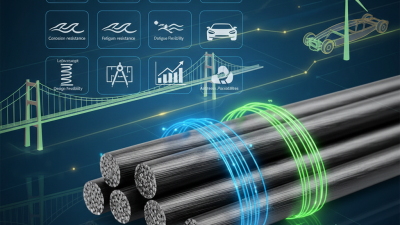
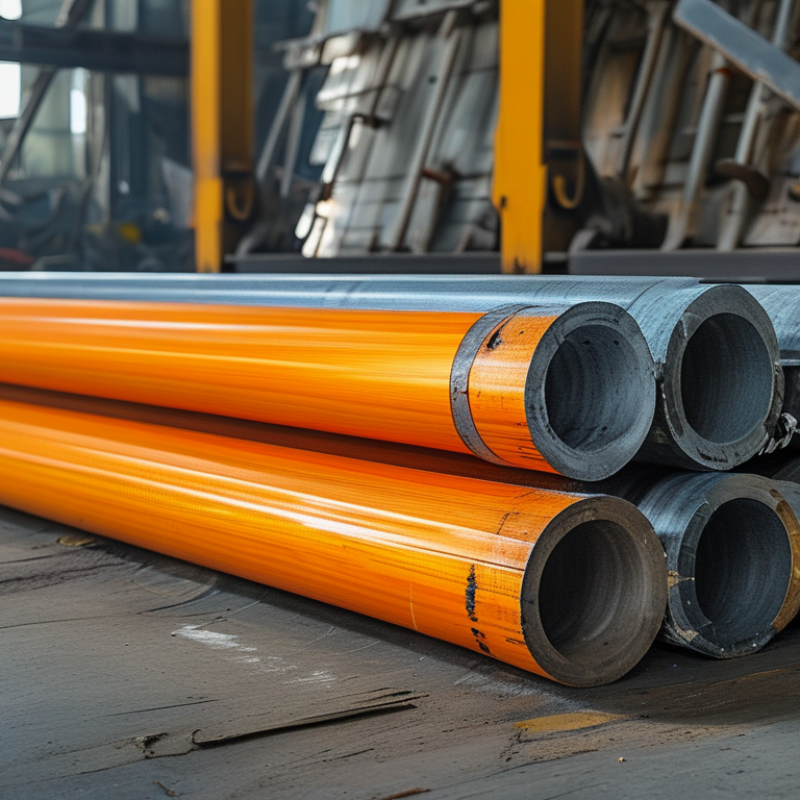
Carbon fiber pultrusion bars are transforming engineering applications. They combine high strength and lightweight properties. According to a recent industry report, carbon fibers are five times stronger than steel yet weigh much less. This quality makes them ideal for structural applications where weight and durability matter.
In construction, using carbon fiber bars can significantly improve the longevity of structures. Their resistance to corrosion outperforms traditional materials. They withstand harsh environments better than conventional steel reinforcements. Engineers are increasingly choosing these bars to enhance durability and reduce maintenance costs.
Tip: When selecting carbon fiber bars, consider the specific load requirements of your project. Ensure that you evaluate each bar's tensile strength and modulus of elasticity. Choosing the right material can prevent future failures.
Despite their advantages, carbon fiber pultrusion bars can be expensive. This cost can deter some projects. However, many studies suggest that the long-term benefits outweigh the initial investment. Performance improvements in critical applications often justify the cost. Engineers should weigh these aspects carefully.
Key Properties and Characteristics of Pultrusion Carbon Fiber Materials
Pultrusion carbon fiber materials offer unique properties that set them apart in various applications. Their high strength-to-weight ratio is particularly noteworthy. According to recent industry reports, carbon fiber is up to five times stronger than steel but significantly lighter. This makes it ideal for projects requiring durability without added weight. The tensile strength typically exceeds 500 MPa, positioning it as a top choice in aerospace and automotive sectors.
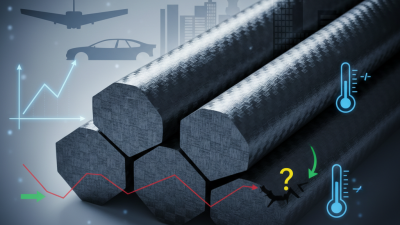
Resistance to corrosion and temperature extremes is another advantage. Pultruded carbon fiber bars can withstand harsh environments, making them suitable for outdoor applications. A study highlighted that carbon fiber composites can endure temperatures up to 120 °C without losing structural integrity. This resilience extends the lifespan of projects while reducing maintenance costs.
Tip: When selecting pultrusion carbon fiber bars, consider the environment and load requirements of your project. It’s essential to evaluate the specific characteristics of the material to ensure optimal performance. Regularly assessing your material choices can help identify needed improvements or adjustments.
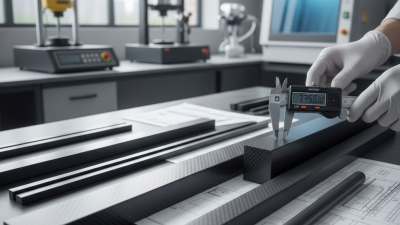
Another important feature is the ease of customization. Pultruded profiles can be tailored for various shapes and sizes, providing flexibility for unique designs. However, this can lead to inconsistency in batch production. It's crucial to ensure quality control to avoid issues down the line.
10 Best Pultrusion Carbon Fiber Bars for Your Projects
| Property |
Value |
Unit |
| Tensile Strength |
600 |
MPa |
| Flexural Strength |
750 |
MPa |
| Density |
1.6 |
g/cm³ |
| Elastic Modulus |
230 |
GPa |
| Thermal Conductivity |
20 |
W/m·K |
| Coefficient of Thermal Expansion |
3.5 |
10⁻⁶ /°C |
| Corrosion Resistance |
Excellent |
- |
| Impact Resistance |
High |
- |
| Fire Resistance |
Class 1 |
- |
| Price per Meter |
$25 |
USD |
Comparison of Different Pultrusion Processes for Carbon Fiber Bars
Pultrusion is a process used to create strong and lightweight carbon fiber bars. It involves pulling fibers through a resin bath and then curing them in a heated die. This technique produces products with superior mechanical properties. Recent industry reports highlight that pultruded carbon fiber bars can achieve tensile strengths over 700 MPa, significantly enhancing structural integrity in various applications.
Different pultrusion methods vary in efficiency and quality. Continuous pultrusion is popular for high-volume production, while conventional pultrusion suits lower volume needs. A study indicates that the continuous method can increase production speed by 25%. However, it requires more upfront investment. Consider experimenting with both processes to determine which aligns with your project goals.
Tip: Choose a process based on your project's scale and budget. Always conduct small-scale tests before full production.
Environmental considerations should also weigh heavily in your decision. The pultrusion process generates waste, and resin choices impact recyclability. Evaluate eco-friendly resin options to reduce your carbon footprint. Many reports suggest improved sustainability can lead to a 15% market advantage. Balancing quality, cost, and environmental impact is crucial for success.
Comparison of Different Pultrusion Processes for Carbon Fiber Bars
This chart compares the strength of different pultrusion processes used for carbon fiber bars. The data shows the strength in megapascals (MPa) for various manufacturing techniques, helping engineers and designers choose the best option for their projects.
Top Applications for Pultrusion Carbon Fiber Bars in Various Industries
Pultrusion carbon fiber bars are revolutionizing various industries. Their strength-to-weight ratio makes them ideal for demanding applications. In construction, they provide a lightweight alternative to steel. Their durability ensures long-lasting structures, reducing maintenance costs.
In aerospace, these bars contribute to improved fuel efficiency. They can withstand harsh environments, making them suitable for aircraft components. Additionally, automotive industries are increasingly utilizing them for lightweight vehicle frames. This not only enhances performance but also boosts fuel economy.
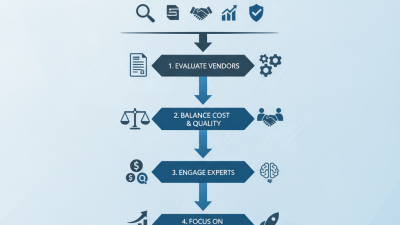
Tips: When selecting pultrusion carbon fiber bars, consider the specific conditions they will face. Ensure they match the application requirements like load capacity and environmental factors. Always verify the source of your materials. Quality varies widely in the market.
Finding the right supplier is crucial. Poor-quality materials can lead to failures, impacting safety and performance. Testing prototypes is a wise strategy before finalizing your designs. This step can save time and resources down the line.
Market Trends and Innovations in Pultrusion Carbon Fiber Technology
Pultrusion technology has significantly advanced in recent years, particularly in carbon fiber applications. Data from industry reports indicate that the global carbon fiber market is projected to reach $5 billion by 2026, driven largely by innovations in manufacturing processes and materials. Pultrusion, known for its efficiency in producing high-quality composite profiles, stands out due to its ability to reduce waste and lower production costs, making it attractive for various industries ranging from construction to aerospace.
Recent trends reveal a shift towards automated pultrusion systems, enhancing precision and consistency. These automated systems utilize sophisticated sensors and control technologies to monitor the curing process, improving overall quality. Reports show that automation can reduce manufacturing time by up to 30%, which is crucial in meeting the rising demand for carbon fiber products. On the other hand, the challenge remains regarding the need for higher initial investment. Smaller manufacturers might struggle to adopt such advanced systems while balancing their budgets.
Additionally, researchers are exploring hybrid materials that combine traditional fibers with carbon to enhance strength and flexibility. However, these innovations often come with technical hurdles in achieving optimal bonding and processing conditions. Some studies indicate a gap in standardized testing methods when assessing these new materials' performance. Addressing these issues is essential for the industry to fully harness pultrusion technology's potential in future projects.