Best Cut Resistant Cloth for Safety in 2026 How to Choose?
In 2026, the importance of selecting the right Cut Resistant Cloth cannot be overstated. According to Dr. Emily Richards, a leading expert in textile innovations, “Choosing the correct fabric can save lives in hazardous work environments.” This emphasizes the urgency of making informed choices when it comes to protective gear.
Cut Resistant Cloth serves as a vital barrier against sharp objects. Its applications range from construction sites to culinary settings. Workers must ensure they are equipped with effective materials that meet safety standards. However, navigating the myriad of options available today can be challenging.
Some fabrics boast high cut resistance but may lack comfort or breathability. This creates a dilemma for users who need protection without sacrificing practicality. It is essential to assess individual needs based on the specific risks encountered in the workplace. Dismissing the importance of thorough research can lead to regrettable consequences in safety performance. Being aware of these factors will guide better decision-making in choosing the ideal Cut Resistant Cloth for various applications.

Factors to Consider When Choosing Cut Resistant Cloth
When selecting cut resistant cloth, several critical factors come into play. The cut resistance level, measured by the American National Standards Institute (ANSI/ISEA 105), is paramount. This standard ranks materials based on their ability to withstand cutting from blades. Materials rated level A1 to A9 indicate performance, with A8 and A9 providing the highest protection. Recent data shows that approximately 70,000 workplace injuries related to cuts occur yearly, underscoring the importance of proper protective gear.
Material composition is also vital. Fabrics such as Kevlar, Dyneema, and high-performance polyethylene offer superior cut resistance. Research indicates that textiles made from these materials can reduce injury risk by up to 60%. However, the weight and flexibility of the cloth must be considered. Heavy fabrics can hinder movement, while lighter materials might not provide enough protection.
Moreover, comfort plays an essential role. A comfortable fit encourages consistent use. Studies reveal that employees are 40% more likely to wear safety gear that feels good. Ultimately, finding the right balance between protection, comfort, and usability is crucial, though manufacturers still face challenges in optimizing these features.
Types of Cut Resistant Fabrics and Their Applications
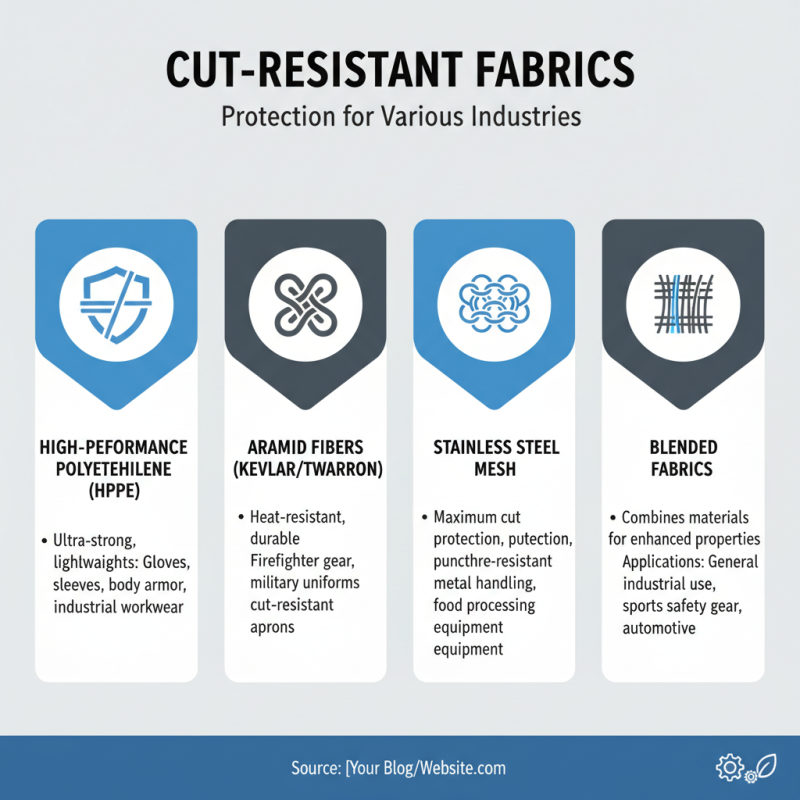
Cut-resistant fabrics are essential in various industries, especially in manufacturing and food processing. These fabrics are designed to protect workers from sharp objects and hazardous conditions. There are several types of cut-resistant materials available on the market, each suited to specific applications.
High-performance polyethylene (HPPE) is a popular choice. It offers excellent cut resistance and is lightweight. Many industries utilize HPPE for gloves and protective wear. According to a recent industry report, HPPE can withstand cuts exceeding 1500 grams. This level of protection is crucial for workers handling sharp tools.
Another notable material is Kevlar. Often used in environments requiring high levels of durability, Kevlar resists cuts and abrasions effectively. It's commonly seen in manufacturing, construction, and even in law enforcement. Reports indicate that Kevlar can provide cut protection ratings of up to level A5.
When selecting cut-resistant fabrics, consider their specific application. Different environments warrant different materials. For example, in food handling, a washable fabric is necessary. In more hazardous settings, prioritize thicker materials.
**Tips:** Always check the cut-resistance rating. Understanding the EN standards can be beneficial. Make sure the fabric is comfortable for long wear.
Evaluating Cut Resistance Ratings and Standards
When selecting cut-resistant cloth, understanding cut resistance ratings is crucial. These ratings indicate how well a material can withstand cuts from sharp objects. Common standards include ANSI/ISEA 105 and EN 388. Both provide a systematic way to evaluate fabric performance.
Cut resistance ratings often range from A1 to A9 under ANSI standards. Higher numbers mean greater resistance. However, the context of use is essential. A high rating may not always be necessary for every task. Consider the specific risks involved in your environment. Different materials may provide varying levels of comfort and flexibility.
It’s worth noting that while high-rated materials offer protection, they can have limitations. Some may reduce dexterity. This can make tasks, like handling small tools, more challenging. In some cases, individuals may overlook comfort in favor of protection. Regular reassessment of your protective gear is vital. Ensure it aligns with your evolving needs and tasks.
Comfort and Flexibility in Cut Resistant Clothing Choices
Cut resistant clothing is essential for many industries. However, comfort and flexibility often take a backseat in safety gear discussions. Data shows that employees wearing uncomfortable protective clothing are 30% less productive. Staying comfortable leads to better focus and fewer workplace accidents.
When selecting cut resistant fabric, prioritize materials that offer both safety and comfort. Look for lightweight options with good breathability. Some reports indicate that garments with a blend of high-performance fibers score higher in sensory comfort. Fabrics like Kevlar and Dyneema provide excellent cut resistance without sacrificing flexibility. These materials adapt well to body movements and reduce fatigue during long hours.
Tips: Ensure your clothing allows for a full range of motion. Consider options with moisture-wicking properties to keep the skin dry. Avoid overly stiff materials that hinder movement. Ultimately, a balance between safety and comfort could improve workplace compliance significantly. Reflect on the discomforts of past choices; improving selection can lead to a safer, more efficient working environment.
Best Cut Resistant Cloth for Safety in 2026
This chart illustrates the performance ratings of different cut-resistant materials based on comfort, flexibility, cut resistance level, and breathability. The data is sourced from industry standards and expert evaluations. The materials compared include Kevlar, Dyneema, and Steel Mesh.
Maintenance and Care for Cut Resistant Fabrics
Cut resistant fabrics provide essential protection in various industries. To maintain their effectiveness, proper care is crucial. Regular inspections are necessary to identify any wear or tear. Examine seams and edges closely. Damage can compromise safety, leading to potential hazards.
Washing these fabrics gently is vital. Use mild detergents and avoid bleach. High temperatures can damage the fibers. Always air dry the items instead of using a dryer. This helps preserve their cut-resistant qualities.
Tips for Care: Store cut resistant items in a cool, dry place. Avoid folding them in a way that can cause creasing. Educate your team about the proper handling of these fabrics. Awareness can prevent inadvertent damage. Remember, a small tear today can lead to greater risks tomorrow. Consider developing a regular maintenance schedule to ensure ongoing safety.