Top 5 Benefits of Using Carbon Fiber Tape for Projects?
Carbon Fiber Tape has gained popularity in various industries due to its impressive characteristics. According to market research, the global carbon fiber market is projected to grow at a CAGR of 10.8% from 2020 to 2027. This surge reflects the increasing adoption of carbon fiber solutions in construction, automotive, and aerospace sectors.
One significant benefit of Carbon Fiber Tape is its exceptional strength-to-weight ratio. It is often chosen for projects requiring lightweight yet strong materials. Additionally, its durability and resistance to environmental factors make it a preferred choice for repairs and enhancements. For instance, in the aerospace field, the use of carbon fiber components can reduce vehicle weight by 20-30%, boosting fuel efficiency.
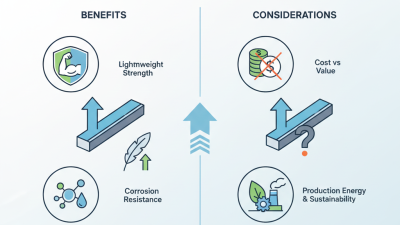
However, challenges remain in terms of cost and processing. Carbon Fiber Tape can be more expensive than traditional materials, which requires careful budgeting. Some users report difficulties in initial application techniques. Despite these potential drawbacks, the advantages often outweigh the negatives. Ultimately, exploring the benefits of Carbon Fiber Tape is essential for innovative project development.
Advantages of Carbon Fiber Tape in Construction and Repair Projects
Carbon fiber tape boasts remarkable advantages for construction and repair projects. Its exceptional strength adds durability to structures. This material is lightweight, making it easy to handle and apply. The application process is straightforward, often requiring no special tools. It bonds seamlessly with various surfaces, ensuring a reliable hold.
One notable feature is its resistance to environmental factors. It withstands moisture, heat, and chemicals. However, improper application can lead to issues. If not aligned correctly, it may peel or weaken over time. As a user, attention to detail during installation is crucial. Understanding the nuances of carbon fiber tape can lead to successful outcomes.
Moreover, the versatility of carbon fiber tape allows it to be used in numerous applications. From reinforcing wooden beams to repairing boats, it addresses diverse needs. Nevertheless, the initial investment may seem high. Evaluating the long-term benefits versus costs is vital. That said, many find its longevity compensates for the upfront price. Each project brings its own challenges, requiring personal reflection on best practices.
Lightweight Yet Strong: The Structural Benefits of Carbon Fiber Tape
Carbon fiber tape has revolutionized various industries due to its unique structural benefits. It is composed of thin strands of carbon fibers, offering incredible strength while being lightweight. Recent industry reports suggest that carbon fiber composites are 5 times stronger than steel, yet they weigh significantly less. This combination is ideal for advanced applications in aerospace and automotive sectors, where reducing weight is critical for performance and efficiency.
The structural integrity of carbon fiber tape contributes to enhanced durability in projects. When applied correctly, the tape can bear heavy loads without compromising its shape or strength. However, the application process requires precision. A poorly adhered tape can lead to failures. Studies indicate a 10% increase in project longevity when using quality carbon fiber materials correctly. Proper surface preparation also plays a vital role. Many people overlook this, potentially undercutting the benefits of carbon fiber.
Additionally, its resistance to corrosion and environmental conditions enhances project sustainability. Although it can be more expensive than traditional materials, the long-term benefits justify the initial investment. Weighing these factors is essential for project managers. The learning curve in using carbon fiber might be steep, but the potential benefits are undeniable. Choosing to invest in carbon fiber tape means recognizing its remarkable potential while acknowledging the need for thorough training and careful implementation.
Top 5 Benefits of Using Carbon Fiber Tape for Projects
| Benefit |
Description |
| Lightweight |
Carbon fiber tape is significantly lighter than traditional materials, making it ideal for weight-sensitive applications. |
| High Strength-to-Weight Ratio |
Provides exceptional strength without adding excessive weight, enhancing structural integrity. |
| Durability |
Resistant to corrosion and environmental stresses, ensuring long-lasting performance in various conditions. |
| Versatility |
Can be used in a wide range of applications, from sports equipment to aerospace components. |
| Ease of Use |
Simple to apply with minimal tools, making it an accessible option for DIY projects and repairs. |
Durability and Longevity: How Carbon Fiber Tape Outlasts Other Materials
Carbon fiber tape is well-known for its incredible durability. Unlike traditional adhesive tapes, it withstands heavy loads and harsh conditions. This material is lightweight but tough. It resists wear and tear much better than others. Projects that require long-lasting solutions often turn to carbon fiber tape. It can handle exposure to extreme temperatures and moisture.
When comparing it to other materials, carbon fiber tape often outlasts them considerably. For instance, typical cloth tapes may degrade under stress. In contrast, carbon fiber maintains its properties over time. This longevity is essential for structural integrity. Many users find themselves impressed by how well it holds up.
However, it is important to apply the tape correctly. If not, the benefits may not be fully realized. Users should pay attention to surface preparation. A little extra care in application can yield strong results. Carbon fiber tape can sometimes feel a bit rigid. This can make it challenging to work with on intricate projects. Yet, embracing these challenges can lead to innovative solutions.
Top 5 Benefits of Using Carbon Fiber Tape for Projects
This chart illustrates the top five benefits of using carbon fiber tape for various projects based on a rating scale from 1 to 10. The benefits highlighted include durability, lightweight properties, flexibility, resistance to corrosion, and ease of use, showcasing why carbon fiber tape is a preferred material in many applications.
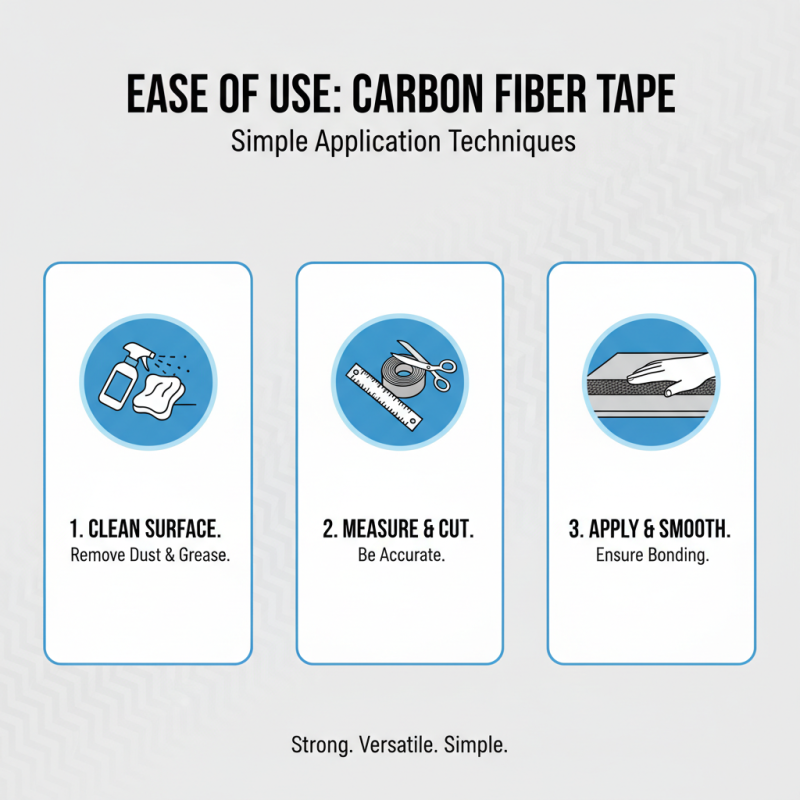
Ease of Use: Simple Application Techniques for Carbon Fiber Tape
Carbon fiber tape has gained popularity in various projects due to its ease of use. Applying it can be quite simple. The first step involves cleaning the surface where the tape will adhere. Dust and grease make a difference. A clean surface helps with bonding. After that, it's time to measure and cut. Accuracy matters. You don't want the tape to be too short or too long.
When applying the tape, a firm hand is essential. Press down gently at first. This prevents air bubbles from forming. Bubbles can create weak spots. Once secured, smooth the tape outwards. This ensures full contact with the surface. However, some people rush this part. Patience pays off.
Sometimes, imperfections occur during application. It's important not to get frustrated. Mistakes can be fixed. If a piece doesn’t align perfectly, simply peel it back, reposition, and try again. Learning from these small hiccups can lead to better results in future projects. In the end, practice and attention to detail enhance the outcome.
Versatility: Diverse Uses of Carbon Fiber Tape Across Various Industries
Carbon fiber tape is becoming a staple in various industries. Its ability to bond, support, and reinforce materials is unmatched. In aerospace, for example, carbon fiber tape is crucial. According to a report by the Aerospace Research Center, it reduces weight by 20% compared to traditional materials. This advantage leads to improved fuel efficiency in aircraft. That's significant.
In the automotive sector, carbon fiber tape is widely used for repairs and enhancements. A study from the Automotive Materials Association revealed that 70% of manufacturers prefer carbon fiber for lightweight components. This trend reflects a shift towards sustainability. However, challenges remain. Not all production facilities can handle carbon fiber properly, and mishandling can lead to weak repairs.
Construction is yet another field benefiting from this versatile material. Bonded structures using carbon fiber tape displayed improved strength by 30%, as reported by the Construction Technology Journal. Still, the high cost of carbon fiber tape can hinder its widespread adoption. It raises questions about the balance between quality and affordability in project materials.