Discover the Benefits of Aramid Fabric for Global Buyers
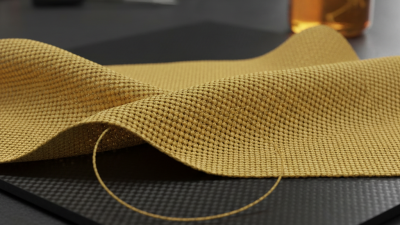
Aramid fabric is a material that offers distinct advantages for global buyers. Its unique properties make it suitable for various applications in industries such as aerospace, automotive, and protective clothing. This high-performance fabric is known for its strength and durability. Manufacturers around the world recognize its potential to enhance product performance.
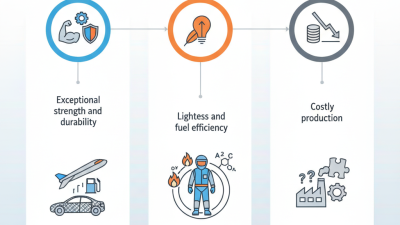
The lightweight nature of aramid fabric provides significant benefits. It resists high temperatures and is incredibly resistant to abrasion. This makes it a preferred choice for safety gear. Buyers benefit from its longevity and ability to withstand harsh conditions. Yet, some challenges persist, such as pricing and sourcing complexities.
Understanding aramid fabric can empower buyers to make informed decisions. Sourcing this material requires careful consideration and expert advice. Ensuring reliable suppliers is crucial. Despite its advantages, potential drawbacks exist, such as limited color options and careful handling requirements. Buyers must weigh these factors against the exceptional qualities of aramid fabric.
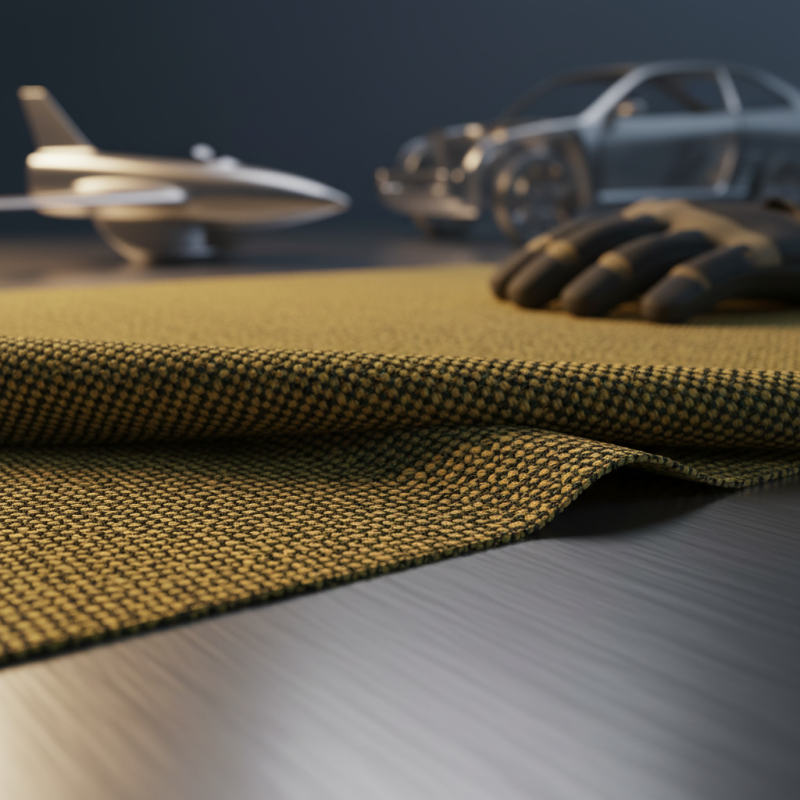
Benefits of Aramid Fabric in Various Industries
Aramid fabric, known for its strength and durability, has significant benefits across various industries. In the aerospace sector, it provides vital resistance to heat and corrosion. This fabric is often used in protective gear for firefighters. Its lightweight nature ensures comfort without compromising safety.
In the automotive industry, aramid composites improve vehicle performance. They enhance crash resistance and overall safety. The fabric's strong tensile properties are essential in manufacturing critical components. This can elevate the standard of safety in modern vehicles.
Tip: Consider the environmental impact when choosing materials. Aramid fabric can be recycled, but the process is complex. Research sustainable options to encourage eco-friendly practices in sourcing.
Another benefit lies in military applications. Aramid materials are used in bulletproof vests, providing protection while maintaining mobility. These aspects ensure operatives can perform effectively under pressure.
Tip: Always verify the sources of your materials. Reliability is paramount in safety applications. Understanding the origin can influence performance and ethical considerations.
Exploring these applications highlights the versatile nature of aramid fabrics and encourages thoughtful integration in various sectors.
Enhanced Durability and Strength of Aramid Fabrics
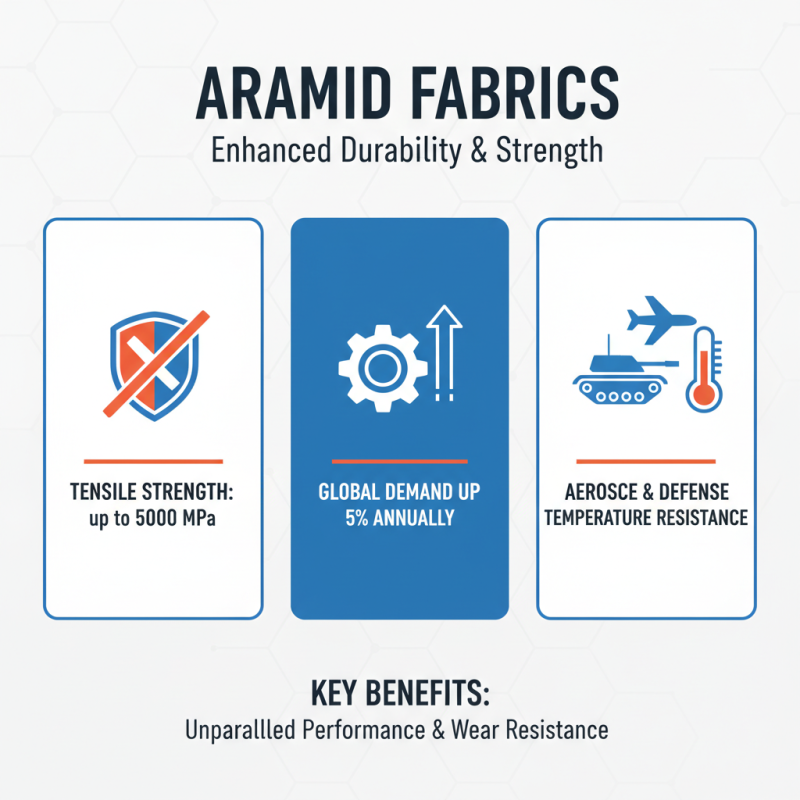
Aramid fabrics stand out for their exceptional durability and strength, making them a go-to choice across various industries. With tensile strengths reaching up to 5000 MPa, these materials resist wear and tear efficiently. In sectors like aerospace and defense, this characteristic is vital. According to a report by the Technical Textile Market Analysis, the demand for aramid fabrics is projected to grow by 5% annually. This is attributed to their unparalleled performance and resistance to extreme temperatures.
Beyond just strength, aramid fabrics provide excellent resistance to abrasion and impact. They can withstand harsh conditions that would degrade other materials quickly. For example, in automotive applications, aramid fibers are used in brake pads and tires, enhancing safety and longevity. However, it’s crucial to note that these benefits can come with higher manufacturing costs. Some buyers may hesitate at the price point. A thoughtful analysis of long-term savings versus upfront investments is essential here.
Though aramid fabrics offer notable benefits, they are not without challenges. Their production processes are energy-intensive, and environmental sustainability remains a concern. Fluctuating raw material costs can also impact pricing. A deeper understanding of these factors can lead to informed purchasing decisions. For global buyers, balancing durability, cost, and sustainability is a complex but necessary consideration.
Applications of Aramid Fabric in Protective Gear
Aramid fabric is known for its exceptional durability and resistance to extreme conditions. This unique material is widely used in protective gear. Firefighters, military personnel, and industrial workers rely on aramid fabric to stay safe. The high tensile strength offers protection against cuts and abrasions.
In protective clothing, aramid fibers resist heat and flames. This property is essential for workers in hazardous environments. However, reliance on this material must be balanced with proper training and safety procedures. Sometimes, users overlook the need for maintenance, which could diminish protective qualities. Regular inspections are necessary to ensure the gear remains effective.
Moreover, comfort is also a critical factor. While aramid provides protection, its stiffness can be a drawback. Finding the right balance between protection and mobility is a challenge. Manufacturers continue to innovate, aiming for more flexible designs. Buyers must stay informed about these advancements to make wise decisions.
Cost-Effectiveness and Sustainability of Aramid Fibers
Aramid fibers stand out in the textile industry for their cost-effectiveness and sustainability. Reports from the Technical Textile Industry revealed that the use of aramid fibers can reduce overall production costs by up to 20%. This reduction is mainly due to lower material waste and increased durability. Aramid fabric is known for its high resistance to heat and abrasion. Therefore, products made from these fibers tend to last longer, which translates into significant savings for manufacturers and consumers alike.
Sustainability is another key benefit. Aramid fibers are often produced using eco-friendly methods, reducing the carbon footprint associated with their production. According to studies, the lifecycle assessment of aramid fibers shows a 30% lower environmental impact compared to conventional synthetic fibers. This makes aramid a preferred choice for businesses looking to implement greener practices without sacrificing performance.
Tip: Ensure you choose aramid products certified for sustainability. Look for labels that indicate environmental standards. This can help make informed decisions that support both the economy and the planet. Consider investing in multi-use aramid fabrics, which can further enhance sustainability by minimizing the need for multiple purchases.
Discover the Benefits of Aramid Fabric for Global Buyers - Cost-Effectiveness and Sustainability of Aramid Fibers
| Attribute |
Description |
Benefits |
Applications |
| Durability |
High resistance to abrasion and impact |
Longer lifespan, reduced replacement costs |
Protective clothing, automotive components |
| Heat Resistance |
Can withstand high temperatures without degrading |
Improved safety in high-heat environments |
Firefighting gear, aerospace applications |
| Lightweight |
Lower density compared to metals and other fibers |
Enhanced mobility and comfort |
Sports equipment, military applications |
| Cost-Effectiveness |
Initial higher price offset by longevity |
Lower total cost of ownership |
Industrial applications, safety gear |
| Sustainability |
Recyclable fibers that reduce waste |
Environmental benefits, compliance with regulations |
Eco-friendly products, sustainable fashion |
Comparative Analysis: Aramid vs. Other Fabrics
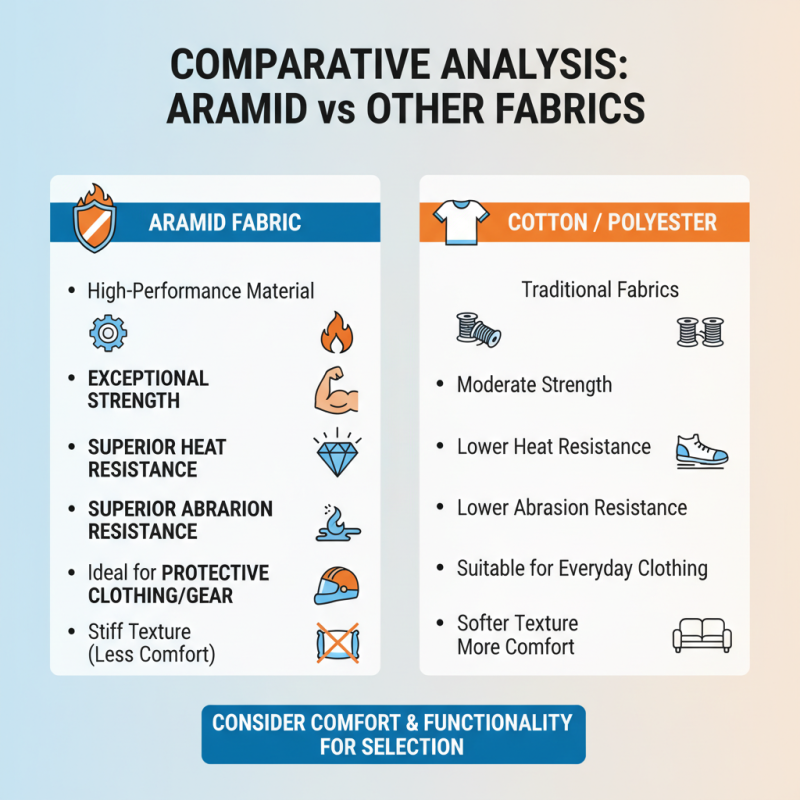
Aramid fabric is a high-performance material known for its exceptional strength and durability. When compared to traditional fabrics like cotton or polyester, aramid offers superior resistance to heat and abrasion. This makes it an ideal choice for protective clothing and gear. However, the stiff texture may not be suitable for every application. Buyers must consider both comfort and functionality when making their selections.
In contrast to nylon, aramid is less elastic but boasts better structural integrity. This can lead to a longer lifespan for products made from aramid fabric. Yet, the weight and rigidity can pose challenges in manufacturing and design. Some users report difficulties in achieving a comfortable fit in aramid-based garments. It’s also essential to factor in the cost, as aramid can be pricier than alternative fabrics.
Understanding the trade-offs between aramid and other fabrics is crucial. While aramid excels in performance, it may not be the go-to option for all end-users. The right choice depends on specific needs and applications. Buyers should weigh the advantages against any potential drawbacks to make informed decisions.