2026 Best Stab Resistant Fabric What You Need to Know
In today's world, personal safety is a top priority. With rising concerns about violence, many seek effective protection solutions. Stab resistant fabric has emerged as a crucial component in protective gear. This innovative material offers varying levels of defense against sharp objects.
Selecting the best stab resistant fabric is essential for ensuring maximum safety. Factors like material strength, weight, and comfort play a role in this choice. Different applications, from law enforcement to personal use, highlight the importance of this textile. Users must consider real-life scenarios to understand the fabric's effectiveness.
Yet, not all fabrics provide the same protection. Some promise high resistance but lack durability. This reality urges a closer examination of available options. A thoughtful approach will lead to informed decisions when choosing the right stab resistant fabric for personal needs.
What is Stab Resistant Fabric?
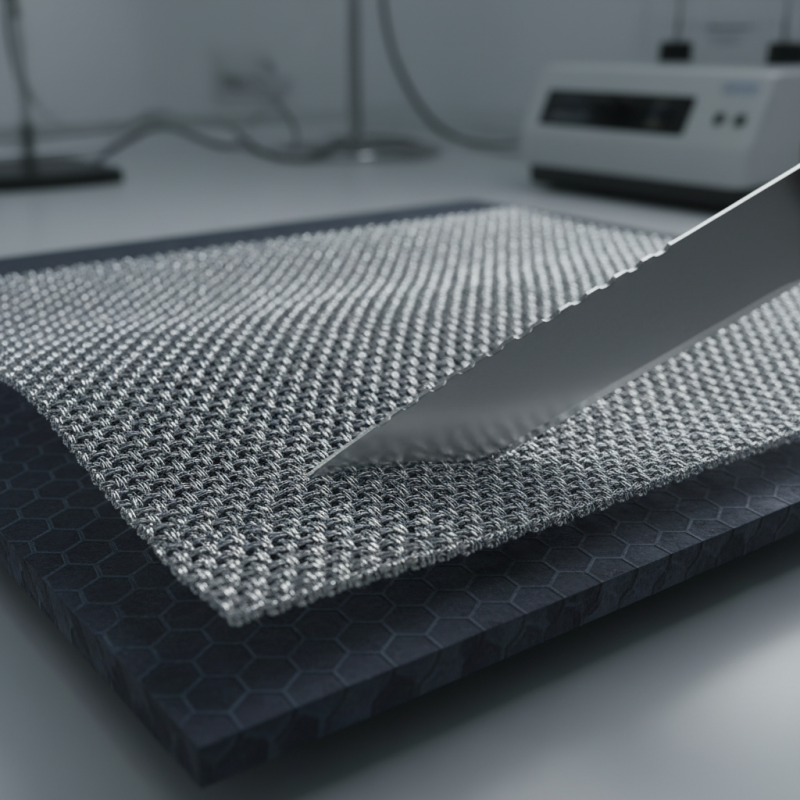
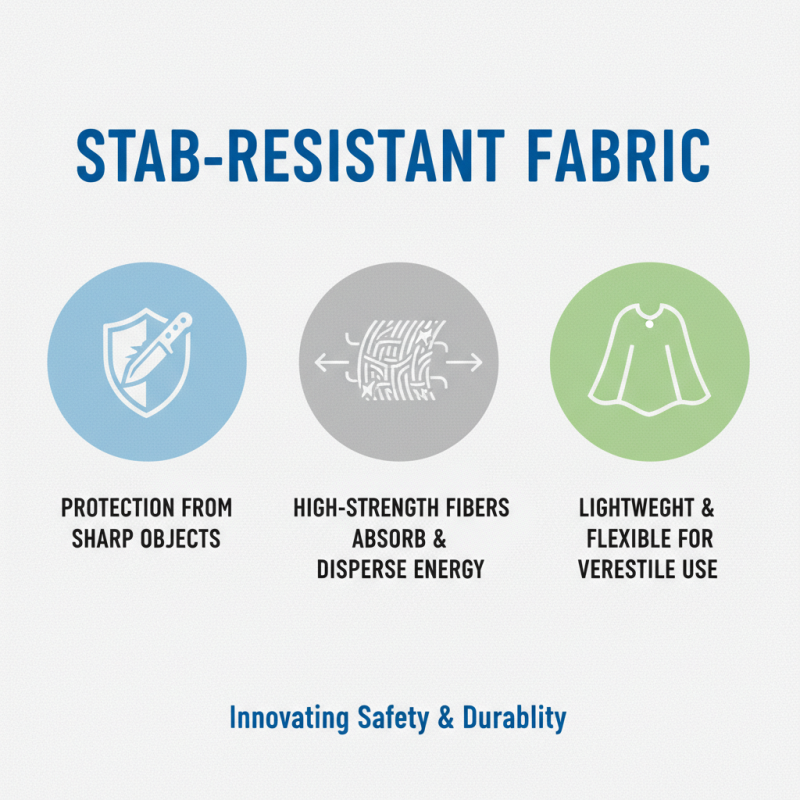
Stab resistant fabric is designed to protect the wearer from sharp objects. It is made from high-strength fibers that can absorb and disperse energy from a stabbing motion. These materials are often lightweight and flexible, making them suitable for various applications.
When choosing stab resistant fabric, consider the weight and comfort. Heavier materials might offer more protection, but they can be cumbersome. A balance between protection and comfort is essential for daily wear.
Tips: Always perform a test cut before fully relying on any fabric. Make sure you understand the levels of protection offered.
Another essential factor is layering. Adding multiple layers of stab resistant fabric can enhance protection significantly. However, this may affect mobility. It's worth trying different combinations to find what works best for you.
Tip: Consult with experts to ensure you are choosing the right fabric for your specific needs.
Types of Stab Resistant Fabrics Available in 2026
As we delve into the world of stab resistant fabrics in 2026, it’s essential to understand the various types available. These fabrics serve critical roles in personal safety and protective gear. Options include tightly woven fibers, designed to prevent penetration. The construction often blends synthetic and natural materials. This mix can enhance durability without sacrificing comfort.
Some fabrics utilize advanced technology. Their layers can stop sharp objects effectively. This can lead to a heavier feel, which some users may find cumbersome. Others prefer lighter, flexible fabrics for ease of movement. Yet, flexibility often means a trade-off in protection. It’s a constant balancing act between mobility and safety.
Another type involves specialized coatings that add an extra layer of defense. However, these coatings can wear off over time, diminishing effectiveness. Maintenance is crucial. Regular inspections may be necessary to ensure maximum protection. While innovations continue, questions about long-term reliability remain. How long can these fabrics stay effective? Users may need to rethink their choices regularly.
Key Features to Look for in Stab Resistant Fabrics
When choosing stab resistant fabrics, it’s crucial to consider several key features. Look for materials that offer high tensile strength. This kind of durability can significantly reduce the risk of penetration. Additionally, lightweight options are beneficial for ease of movement. Heavy fabrics can be cumbersome, so balance is essential.
Another important feature is flexibility. Fabrics that can bend and adapt will provide better comfort. A rigid material may protect but can restrict mobility. Check for breathability as well. A fabric that traps heat may lead to discomfort during extended wear.
Consider the layers used in construction as well. Multi-layered fabrics often have better protective qualities. However, more layers can mean added weight. Reflect on whether the trade-off is worth it for your specific needs. Finding the right balance might take some experimentation. Using stab resistant fabric is about personal safety but also about comfort and usability.
2026 Best Stab Resistant Fabric: Key Features Comparison
Applications of Stab Resistant Fabrics
Stab resistant fabrics are increasingly important in various industries. Their applications span from personal protective equipment (PPE) to military and law enforcement gear. According to a recent industry report, the global stab-resistant vest market is projected to grow at a CAGR of 6.2% over the next five years. This emphasizes the rising need for effective protective solutions.
In healthcare settings, stab resistant materials protect workers from sharp objects. For example, nurses often face risks from needles and sharp instruments. Using these fabrics can greatly reduce injury rates and improve safety measures. A study found that implementing stab-resistant clothing can lower stabbing incidents by nearly 40% in clinical environments.
Moreover, stab resistant fabrics are crucial for security personnel. As threats evolve, so must the tools used for protection. While many fabrics exist, not all provide the same level of safety. It is vital to evaluate material strength, weight, and comfort. Some fabrics may feel rigid or cumbersome, limiting the wearer’s mobility. Industry experts recommend a careful assessment to balance protection and practicality.
Maintenance and Care Tips for Stab Resistant Fabrics
Stab resistant fabrics are designed to offer protection, but they require proper maintenance. Regular cleaning helps maintain their effectiveness. Use a mild detergent to wash the fabric. Avoid bleach or harsh chemicals. Washing by hand is often recommended. This prevents wear and tear from machines. Some stains might need special treatment. It's crucial to address them immediately.
Storage is another key aspect. Keep the fabric in a cool, dry place. Avoid exposing it to direct sunlight for long periods. Heat can weaken the fibers over time. It’s best to fold the fabric neatly, avoiding creases. Sometimes, it may feel inconvenient. But taking these steps prolongs the fabric’s life.
Be mindful of how you use the fabric. Punctures can compromise its strength, even if they are small. Inspect the fabric frequently for signs of damage. This can be a tedious task, yet it's essential for safety. A little diligence can make a big difference. Pay attention to details, and don't neglect this key aspect of care.